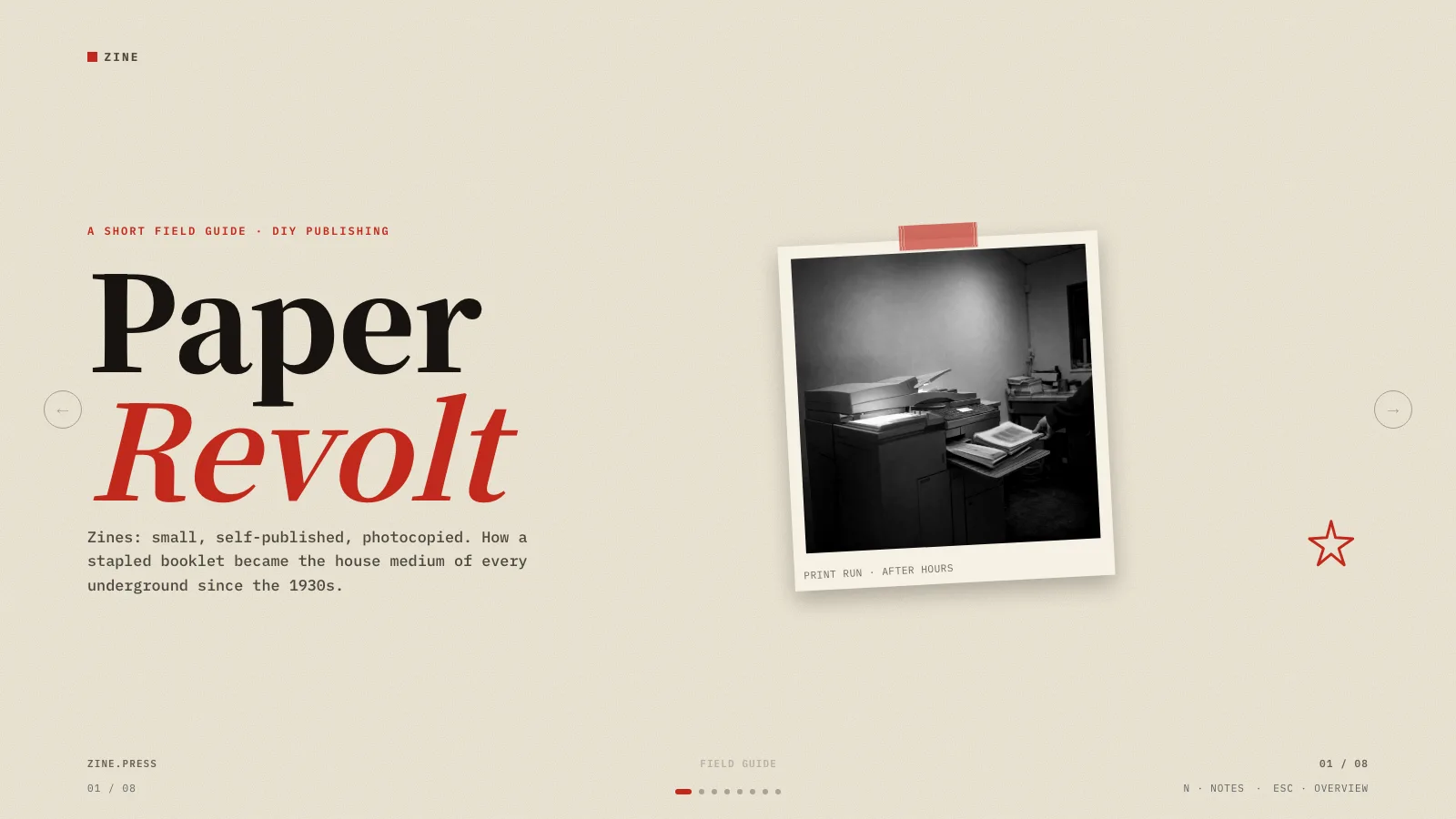
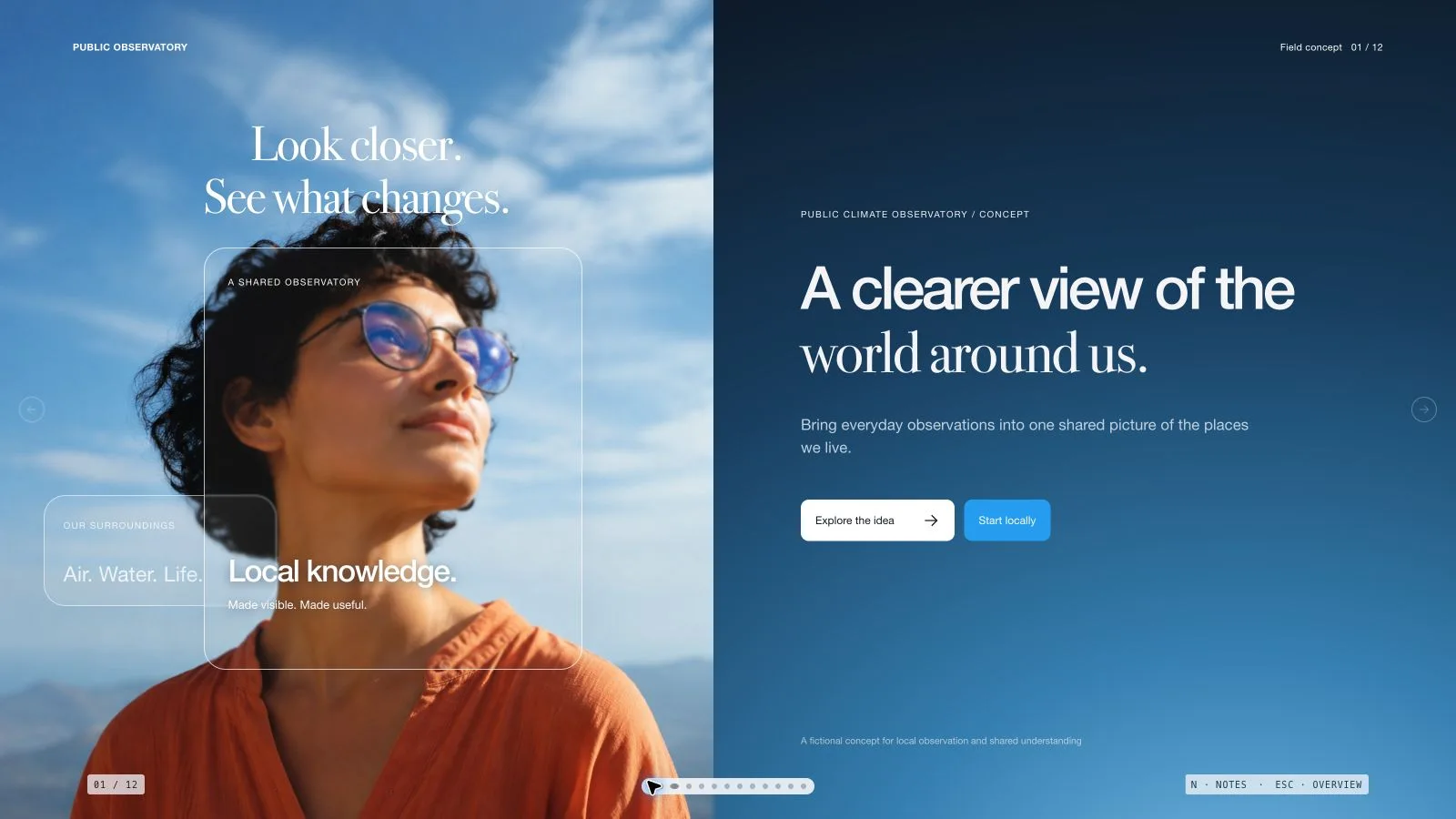
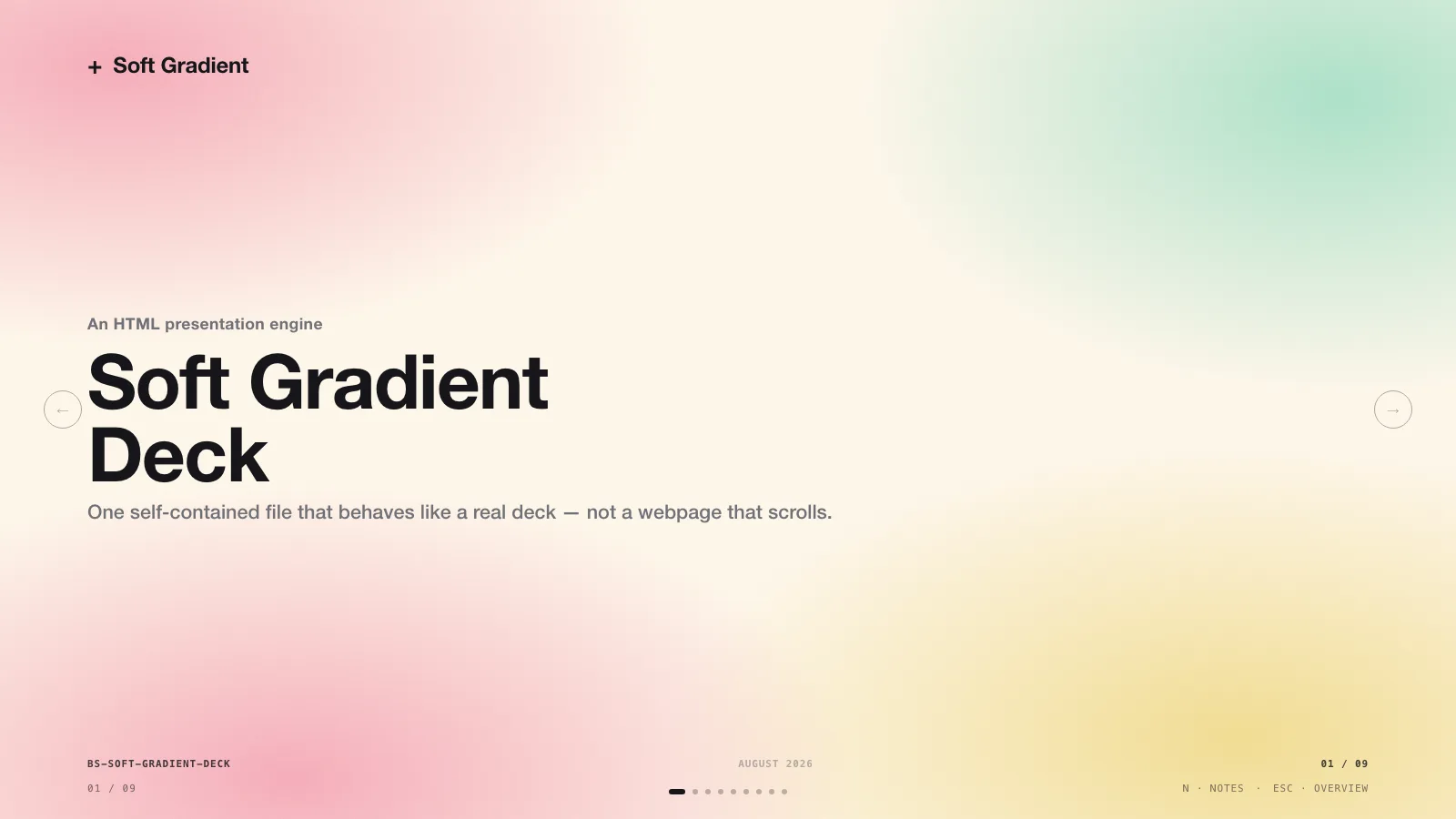
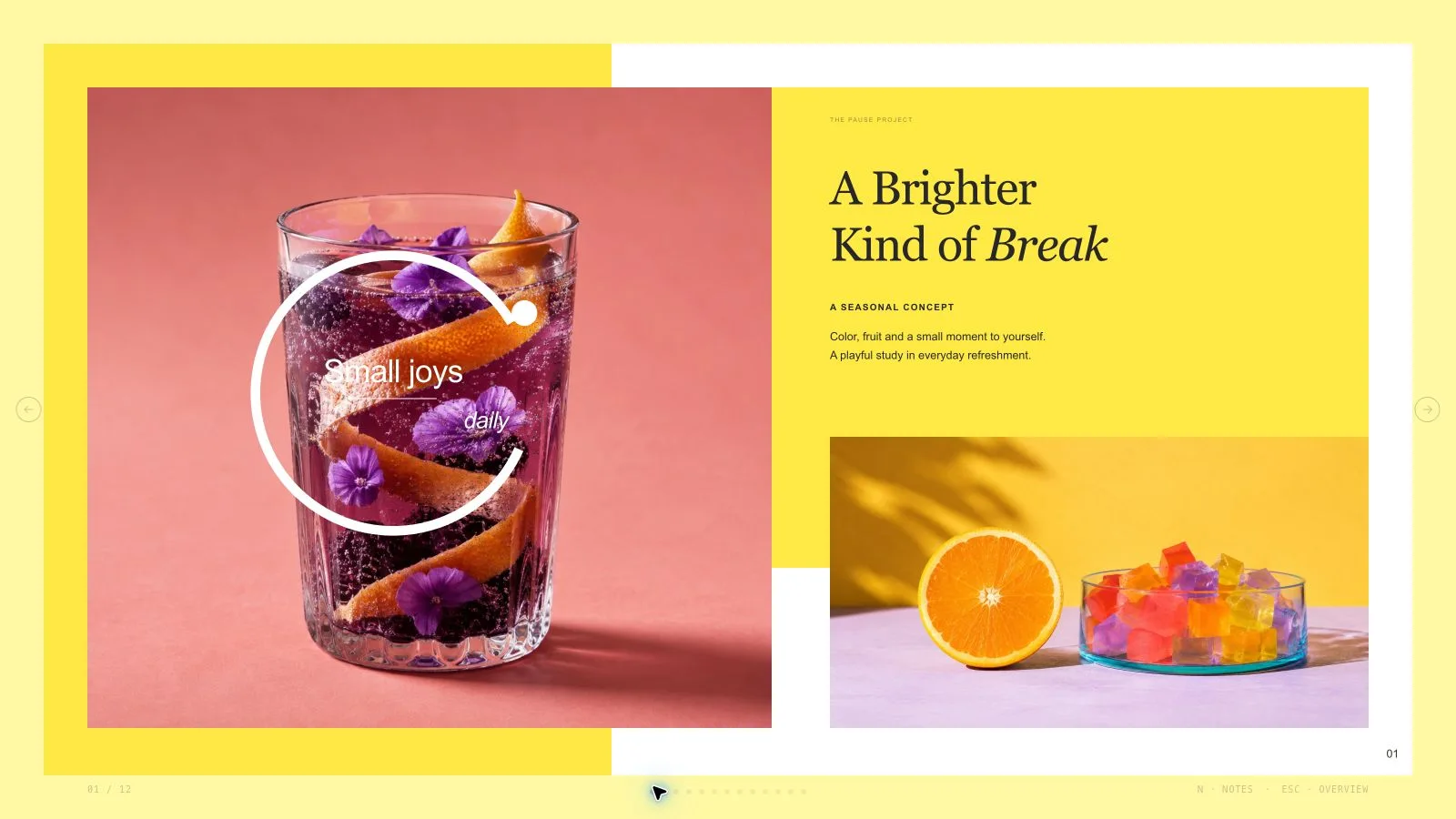
Explain an experimental collection through material, light, color, selected looks and the creative sequence. Prismatic Fashion Deck alternates cream editorial layouts with cobalt/pink imagery, refracted close-ups and sculptural portrait ribbons. The fashion story is illustrative; your actual designs, collection evidence and agreed slide count determine the presentation.
What you get
Twelve adaptable roles: refracted opening with a separate inset portrait, wide optical portrait/caption, full-blue statement, spiral portrait/text, optical atmosphere/inset, mobile editorial, organza portrait with four cards, staggered three-look portfolio, pink-ruffle/bullet spread, double-loop creative statement, blue-dress process and blue-field closing invitation. Select, reorder, combine or extend them for the requested length.
A warm cream #fff7ed, dark-brown #342a23 and copper #ba8660 editorial system contrasted with saturated cobalt, cyan and pink photographic fields. Light Arial display type and selected italic Georgia lines pair with small sans body text, thin rules and tiny three-part headers. Keep softly rounded frames, generous margins and clear two-column captions.
Seventeen catalog artworks include optical glass/fabric fields, fictional fashion/beauty portraits, pleated and organza looks, sculptural face cutouts and a garden portrait. Most people/looks are subject-specific. Backgrounds and inset portraits must be distinct artworks, each used on one page only; do not present generated clothing as manufactured samples or fictional models as campaign participants.
A generated standalone 1280×720 HTML presentation with viewing, navigation, overview/thumbnails, speaker notes, editing, presentation mode and print styling. Words, device frame, cards, rules and labels remain editable around artwork. The installation supplies recipes, references, catalog and build/media tools; its generic schema fixture is not a completed collection deck or a working fashion app.
Optional checked PPTX and PDF: native text/notes and separate pictures remain editable, while backgrounds, SVG decoration and complex visual effects become rendered layers. PDF printing gives one 16:9 page per slide. Inspect actual exports and recipient fonts rather than promising every optical effect as a native shape or identical wrapping.
Before you choose
Identify what each look or optical image contributes to the collection argument. Separate a proposed visual mood from an actual garment, sample or material observation, and retain process detail in notes. The presentation should make those distinctions clearer rather than letting photographic realism imply production evidence.
Good fit
A designer has an experimental textile or fashion collection concept, approved visual material and a defined audience.
A team needs a consistent sequence across material/color ideas, looks, creative choices and process.
A presenter can supply accurate source facts, a clear message, language and desired length and review the full-size pages.
Automatic research or verification of textile performance, collection authorship, production readiness or unsupported commercial claims.
A functioning mobile editorial product or an all-native-shape PowerPoint deliverable; device frames are illustrative and exported effects may be pictures.
How to use
You say/prismatic-fashion-deck Create a twelve-page concept deck for a fictional fashion collection with vivid portrait photography and prismatic editorial layouts.
Provide topic, audience, key points/source facts, language and exact slide count including opening/closing unless agreed otherwise. If unspecified, agree length from material and duration. Distinguish actual samples/designs, proposed creative direction and fictional reference imagery.
Plan one useful job per page: material/light observation, look, creative choice, process or invitation. Select/extend the twelve recipes rather than forcing three looks or four bullet groups into every story. Replace fictional names, collection descriptions and claims; an optical metaphor does not demonstrate fabric behavior or production feasibility.
Choose supplied images first, then suitable catalog reuse, generation for gaps or all-new imagery. Reuse is the fallback without a choice/tool. Log page, subject, ratio, placement, palette, prompt and saved result. Each pictorial source is used on one page only; backgrounds and insets are separate assets, and crop/rotation/recolor does not create a new one. Functional SVG primitives may repeat; no image quota applies.
Check fashion/beauty subject restrictions and preserve important faces/gestures in frames. Generate at kit slot ratios through built-in tools or the FAL helper/FAL_KEY, keeping captions outside artwork. FAL submissions cost separately and are made once then polled/fetched, without automatic failed-task replacement. Disclose missing or unsuitable frames rather than treating them as completed pictures.
Compose from recipes with approved text, alt descriptions, images, icons, labels and data, removing unused objects. Python 3 handles compose/build/static checks; optional media helpers use Node. Resolve unfilled-image and leftover-example reports, verify the exact count, preserve useful resolution and inline fonts/resources below 20 MB.
Inspect every 1280×720 page over local HTTP for light-type legibility, serif/sans hierarchy, blue/cream balance, face/gesture crops, optical-image uniqueness, bounds, contrast and notes/page consistency. Check whether portfolio captions are supported by actual source material. Test text/block/order/layout/color edits, notes, undo/redo, Save/reopen and presentation mode; correct and inspect failures.
Deliver page-view HTML with Edit/E and Save (Cmd/Ctrl+S) instructions: browser recovery is local, Save writes portable edits. Set interface/content languages independently with framework CJK/RTL support. Export/check/inspect requested PPTX/PDF separately, including recipient fonts and rendered effects. The editorial palette guides generation, not an editor theme chooser; embedded PPTX export replaces the retired mandatory Node/Chromium chain.
Requirements and costs
You bring
Presentation topic and audience · Key messages or source material · Desired slide count and language
Dependencies
A browser for presentation and verified print export · Node.js for local validation · A host image generation tool for fresh artwork · Chrome, Chromium or Edge plus Node.js 20 or newer — required only for PowerPoint export
Outside costs
Generating new artwork may incur a separate provider charge. The included original example can be viewed without image generation.
Publisher testing
v1.0.5 — Claude Code / Claude Desktop / Cowork / Codex / ChatGPT
FAQ
Yes. Keep the cream/optical/cobalt/serif-sans grammar while selecting or extending layouts to the exact agreed count. Agree length from material and duration if needed. Twelve roles are options, not a default sequence or limit, and fictional looks do not establish your collection’s authorship or production status.
Only where suitable supplied pictures or the seventeen bundled assets cannot cover the plan. Check subject restrictions and use a distinct source for every page, including separate background and inset art. No fixed quota applies. Fresh imagery may incur provider/host costs; disclosed frames can support review but are not finished artwork.
Enter Edit for words, pictures, order, colors, layouts and notes, then Save. The shared editor has no per-style theme picker. Current embedded PPTX export replaces the retired mandatory Node/Chromium chain; Python builds/checks the source and optional media helpers use Node. Text/notes and pictures stay separate, decorative layers are rendered and recipient fonts/wrapping need inspection. Check requested PDF separately.
User reviews
—0 reviews
Select a star to share your experience.
No reviews yet. Ratings appear once readers share real experiences.