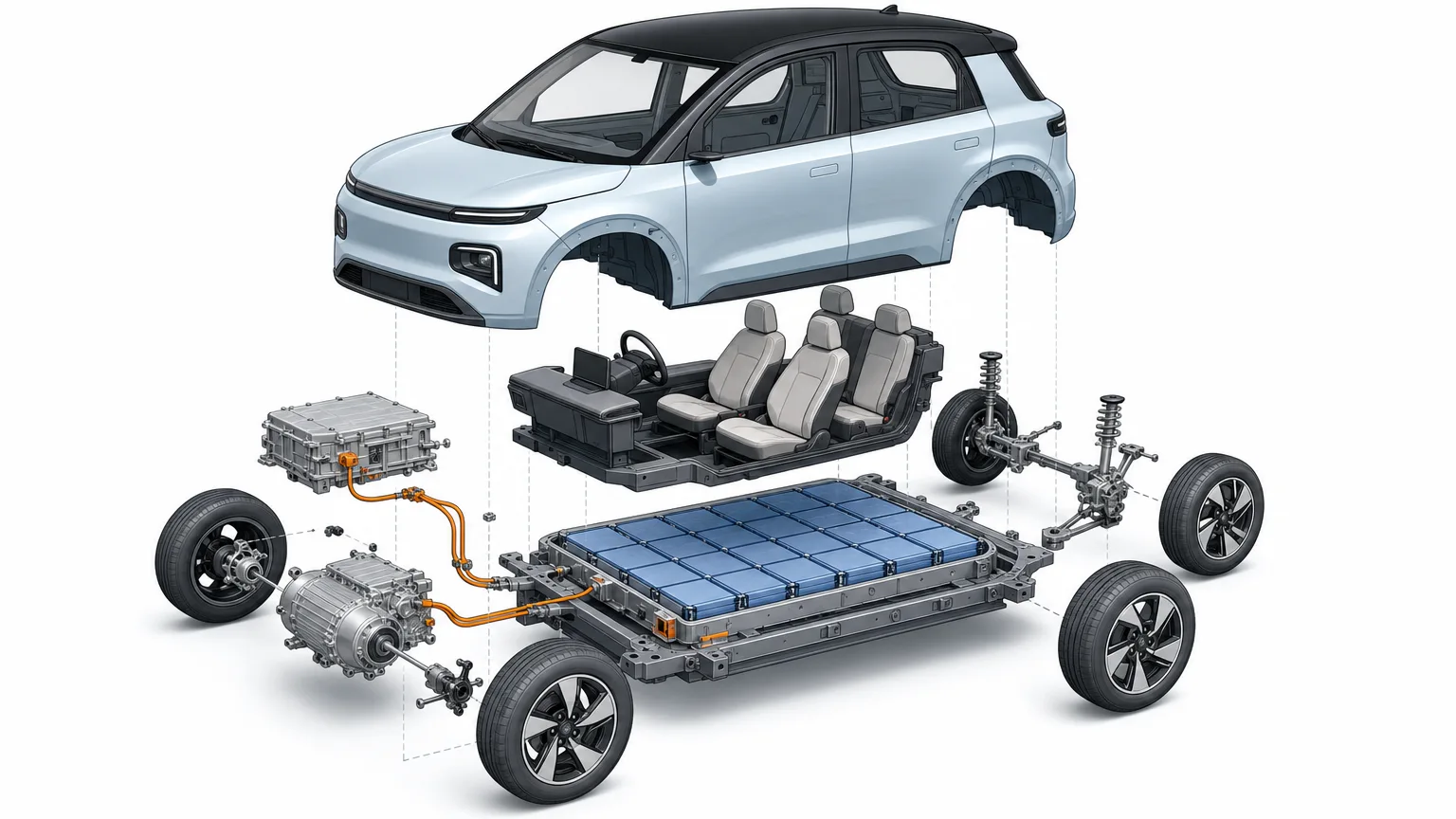
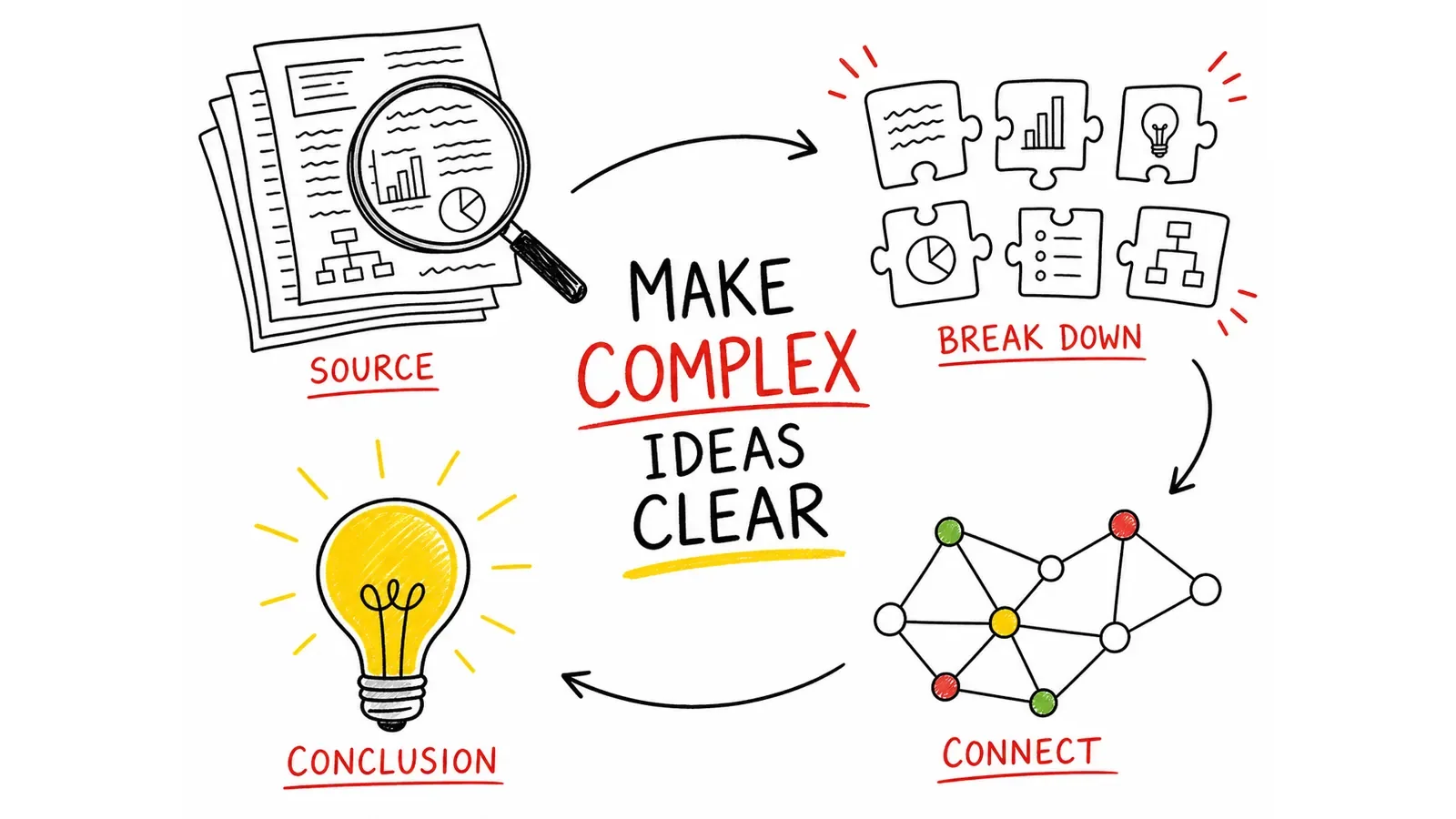
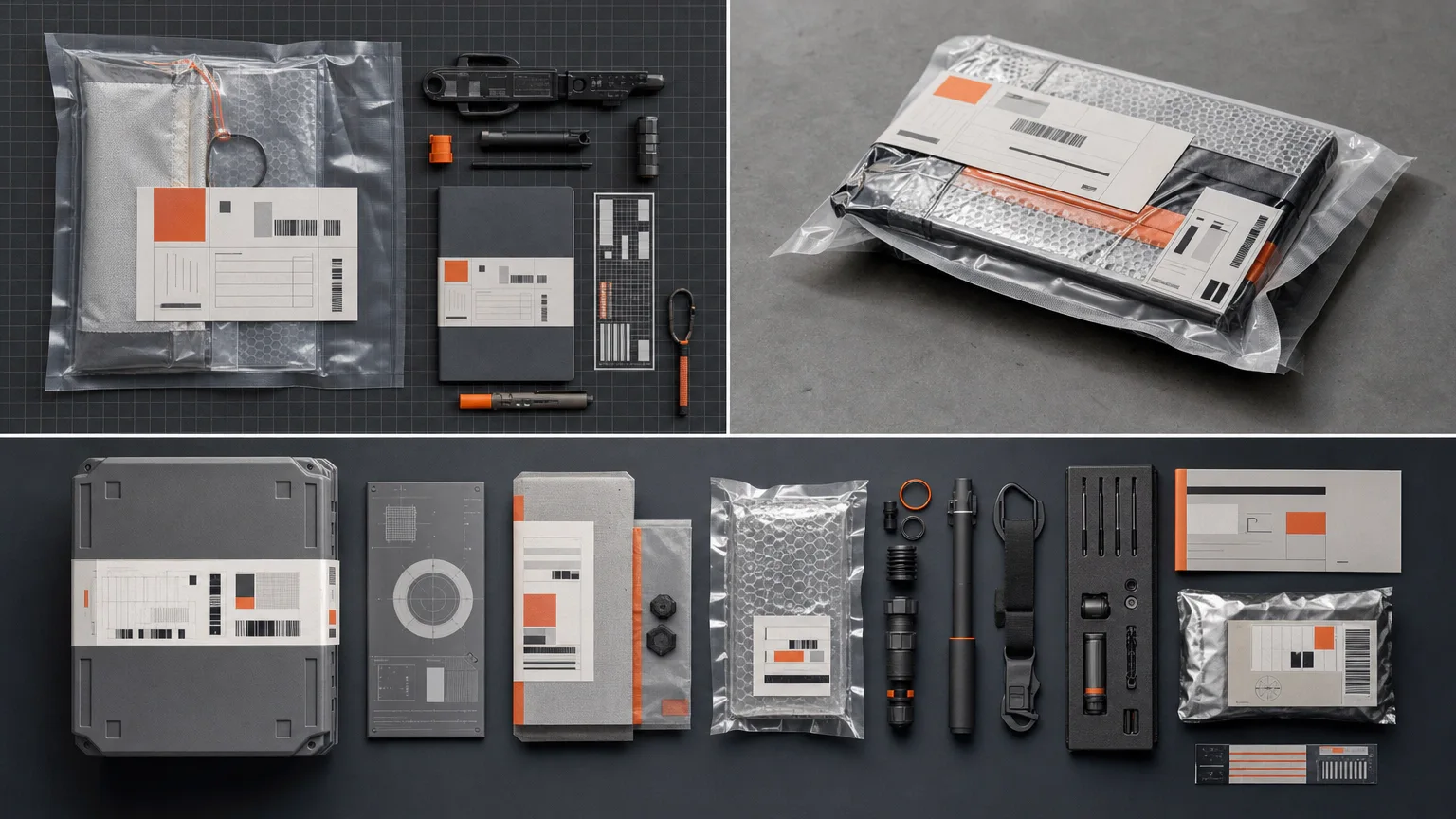
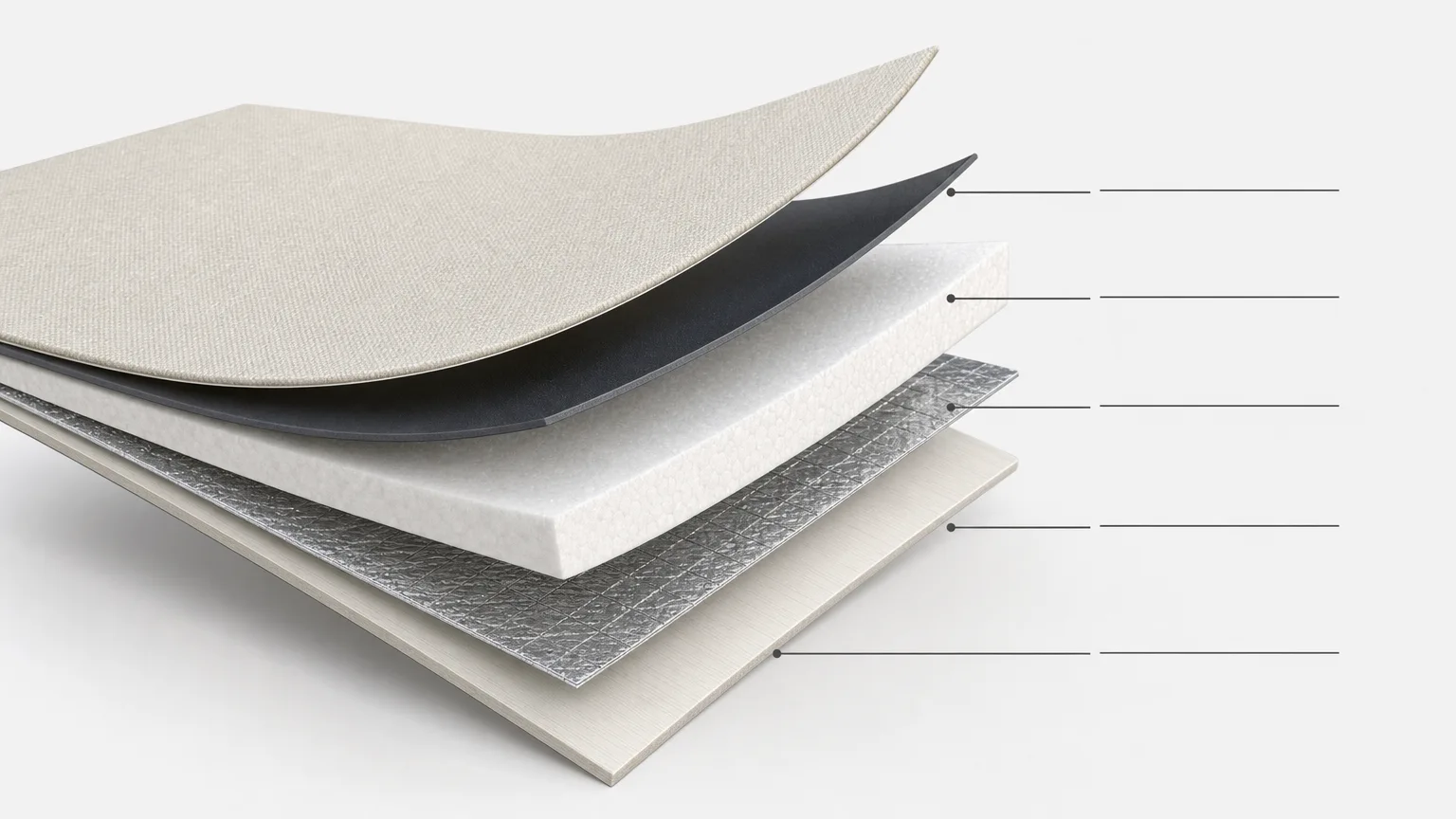
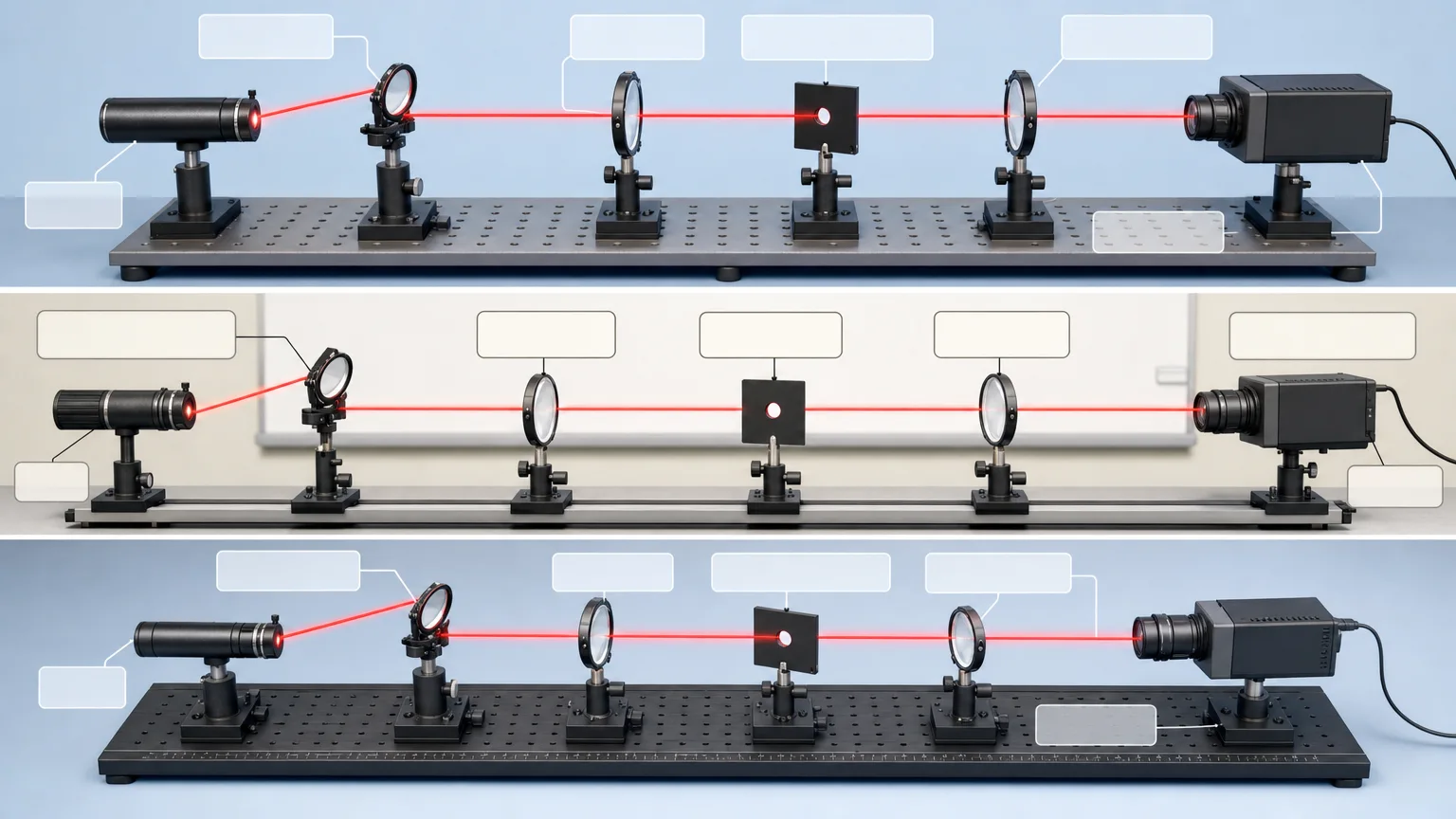
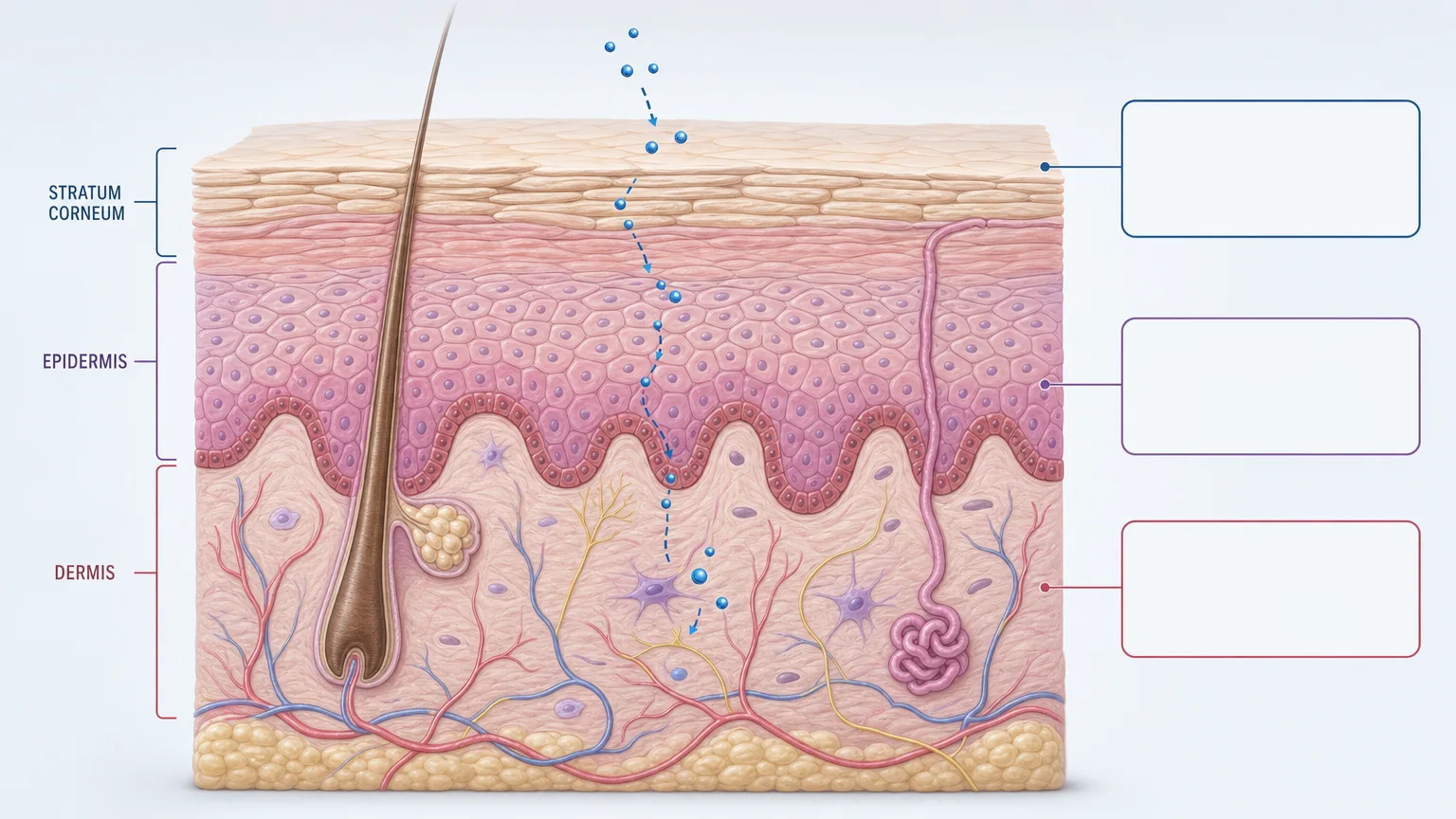
Show an appliance’s functional groups in a studio-lit exploded-view poster, using an approved parts list to control what separates and in what order. Appliance Exploded Poster produces three visual alternatives with clean space for specifications added later. It is a product-communication image, not a mechanically certified assembly or repair document.
What you get
Three distinct appliance compositions from one paid FAL task requesting 1536×864 PNG variants. Each presents the product as a clear technical hero with separated parts, consistent orientation and deliberate gaps. The request settings specify 16:9; actual dimensions and visual distinctness still need review after download.
Material-aware lighting and surfaces based on the supplied evidence. Reflections and transparency should help identify components without concealing their boundaries; unknown surfaces use generic finishes rather than invented material specifications.
Blank annotation rails around an initially text-free hero, followed by exact labels, numerical values, citations and disclaimers typeset from the approved table. A deterministic layout tool completes this step: the included generator does not itself produce a finished editable specification layer.
A comparison of visible structure, ordering, part count and identity against approved input, plus the final evidence table and unresolved uncertainties. Checking the image against that table does not establish mechanical fit, performance, durability or certification.
An installation containing the generation workflow, inline-SVG icon reference and FAL wrapper. Its provider-task.json supports resuming a request once the ID is recorded; final annotated posters depend on the separate composition selection, labeling and inspection work.
Before you choose
Audit the exploded view from the outside inward: can every visible component be found in the approved list, and does its position communicate the intended relationship? Remove unsupported detail before adding specification rails. Use lighting to reveal boundaries, not to make an uncertain assembly seem technically proven.
Good fit
A technical writer needs a visual explanation of how an appliance’s functional groups are organized.
A product photographer wants to plan an exploded technical hero and compare separation, lighting and material treatments.
A product marketer has an approved parts/specification story and wants a presentation, PDF or web image with traceable callouts.
Not for
Assembly instructions, repair guidance, manufacturing drawings or any use that requires mechanically exact dimensions and interfaces.
Inventing power, capacity, weight, certifications, durability or other performance claims because they look plausible in a product poster.
Using third-party logos, recognizable product designs or trade dress without suitable authorization, or treating an illustrative render as proof of a real product’s capabilities.
How to use
You say/appliance-exploded-poster Build an unbranded exploded-view poster for my approved seven-part countertop brewer concept.
Provide a rights-cleared product description/reference, approved parts and assembly sequence, verified materials/specifications and brand rules or an explicit unbranded direction. Ask for missing essentials or mark them for verification. If a cleared reference is unavailable, use a fictional product form rather than reconstructing a recognizable product.
Group the approved parts by function, for example housing, reservoir, mechanism, heating, controls, vessel and base where those groups actually apply. Lock the separation sequence and orientation before choosing lighting. Keep each quantity and connection traceable to the evidence table; example groups are not permission to add absent parts.
Write a new English production brief describing verified materials, generic finishes for unknowns, slide-scale hierarchy and blank callout areas. Request the product hero without typography. Review this prompt before the paid submission; do not copy an unrelated third-party prompt, logo or protected design.
Use Node.js 20 or newer with a FAL account and FAL_KEY supplied through the environment. Run the bundled generator with a prompt file, output directory and prefix. One task requests exactly three high-quality 1536×864 PNG variants and incurs provider charges. No key needs to appear in the prompt, annotation or delivered poster.
Keep provider-task.json beside the downloads. With a saved request ID and unchanged prompt, the script polls/fetches that task and blocks automatic resubmission of a saved failed task. Because it writes the record after the submission response, a lost response or write failure needs manual provider-history review before retrying; it is not an exactly-once submission guarantee. Preserve reviewed files separately because resumed downloads can overwrite matching filenames.
Compare all three alternatives against the source table: part identity/count, order, orientation, gaps, reflected surfaces and transparent boundaries. Check actual ratio, visual distinctness and readability at slide size; reject unexpected logos, watermarks, protected design elements and misleading structural claims. The wrapper checks that three images were returned, not their mechanical accuracy or dimensions.
Select a composition and add approved labels, values, citations and disclaimers in a deterministic layout tool. Use small inline Lucide SVG callout/legend icons, with any provider mark restricted to a genuine labelled integration. Deliver the annotated images, evidence table and uncertainty list; do not present a visually polished render as a validated manual or performance test.
Requirements and costs
You bring
Rights-cleared product description or reference image · Approved parts list and assembly sequence · Verified material and specification table · Brand rules or an explicit unbranded direction
Image generation uses a paid fal.ai task. Review the prompt before submission; failed tasks are never submitted again automatically.
Publisher testing
v1.0.1 — Claude Code / Claude Desktop / Cowork / Codex / ChatGPT
FAQ
A rights-cleared product description or reference, approved parts list and assembly sequence, verified materials/specifications and brand or unbranded rules. Missing facts must be requested or visibly marked for verification. Functional groups are derived from your appliance, not silently borrowed from a generic machine.
No. The base render reserves clean callout space. Exact labels, values, citations and disclaimers are added from the approved table after choosing a composition, using a separate deterministic layout tool. Then check each leader line and label against the visible part; generated lettering is not a source of truth.
No. It communicates an approved product structure but does not prove mechanical accuracy, safe assembly or performance. Part-count and sequence checks compare the illustration with your evidence; they are not engineering calculations, certification or physical testing.
User reviews
—0 reviews
Select a star to share your experience.
No reviews yet. Ratings appear once readers share real experiences.