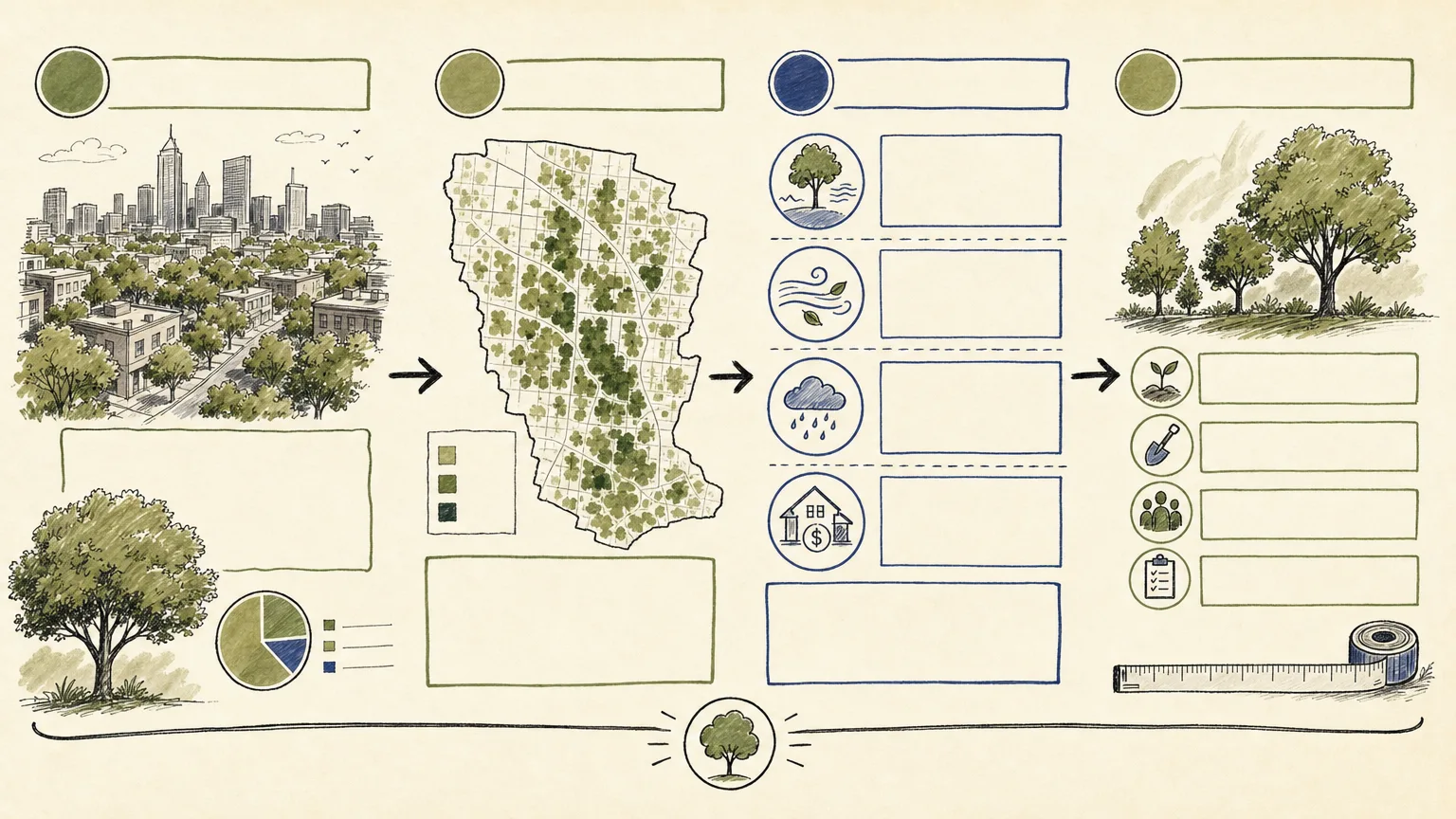
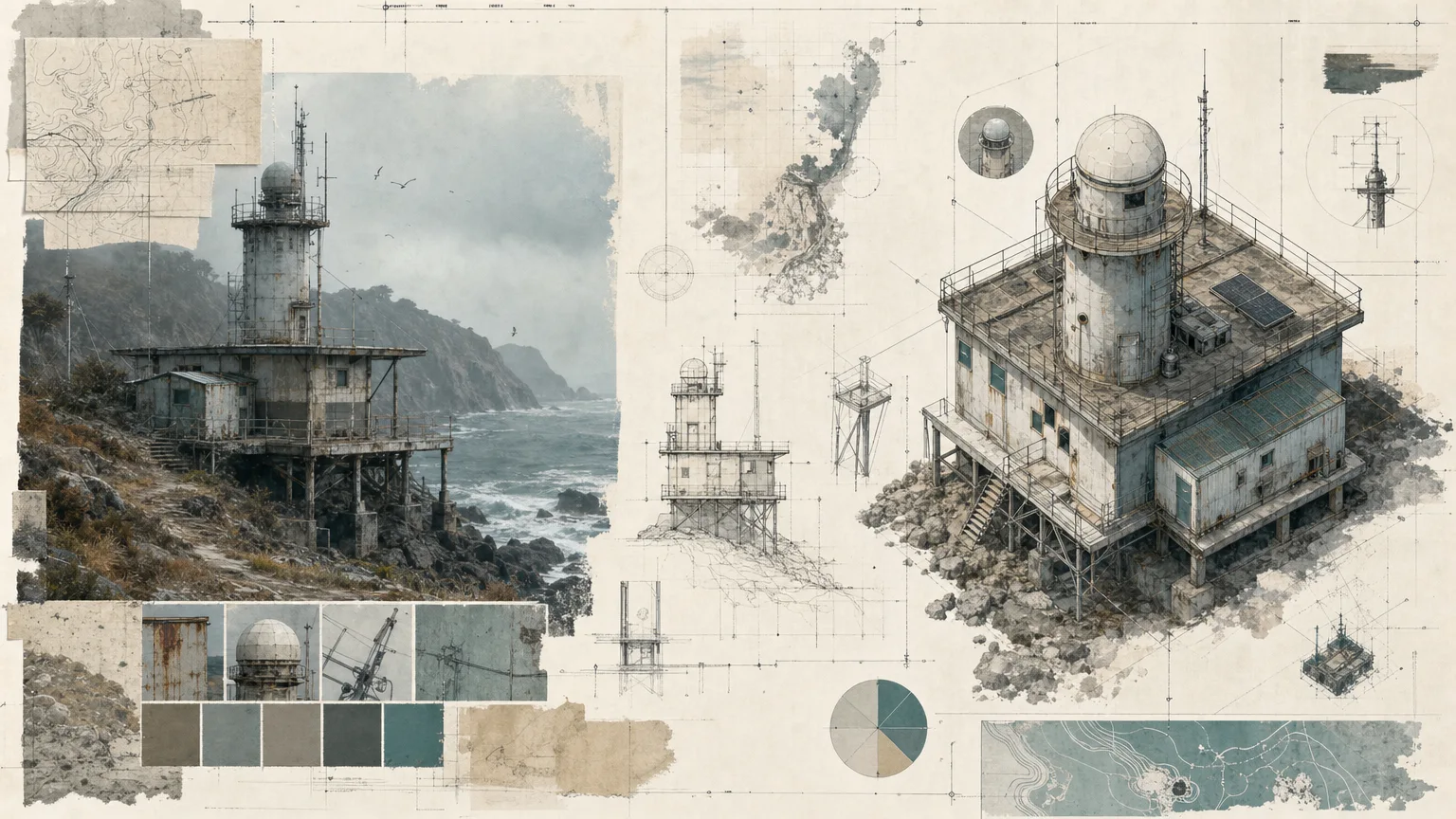
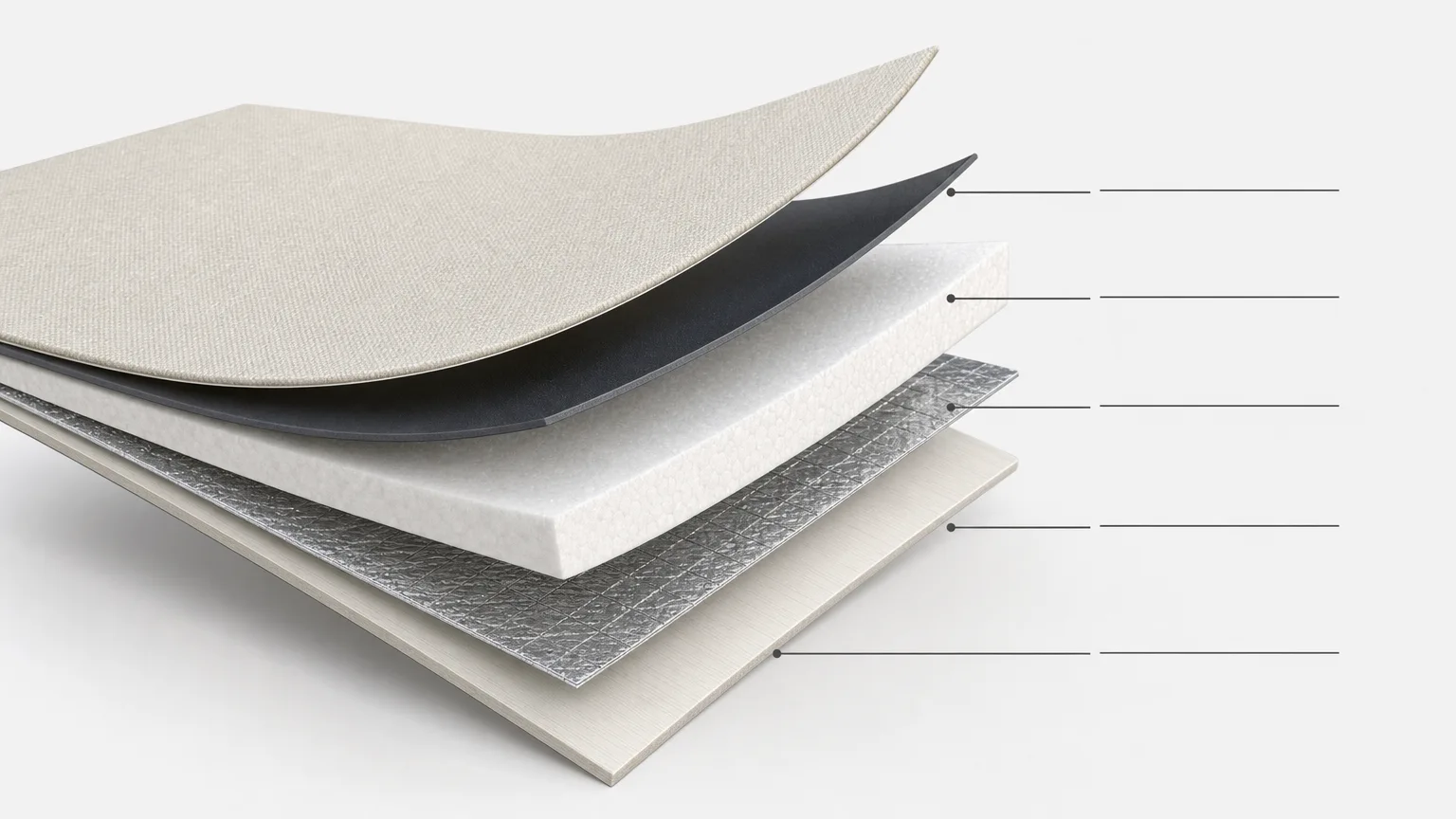
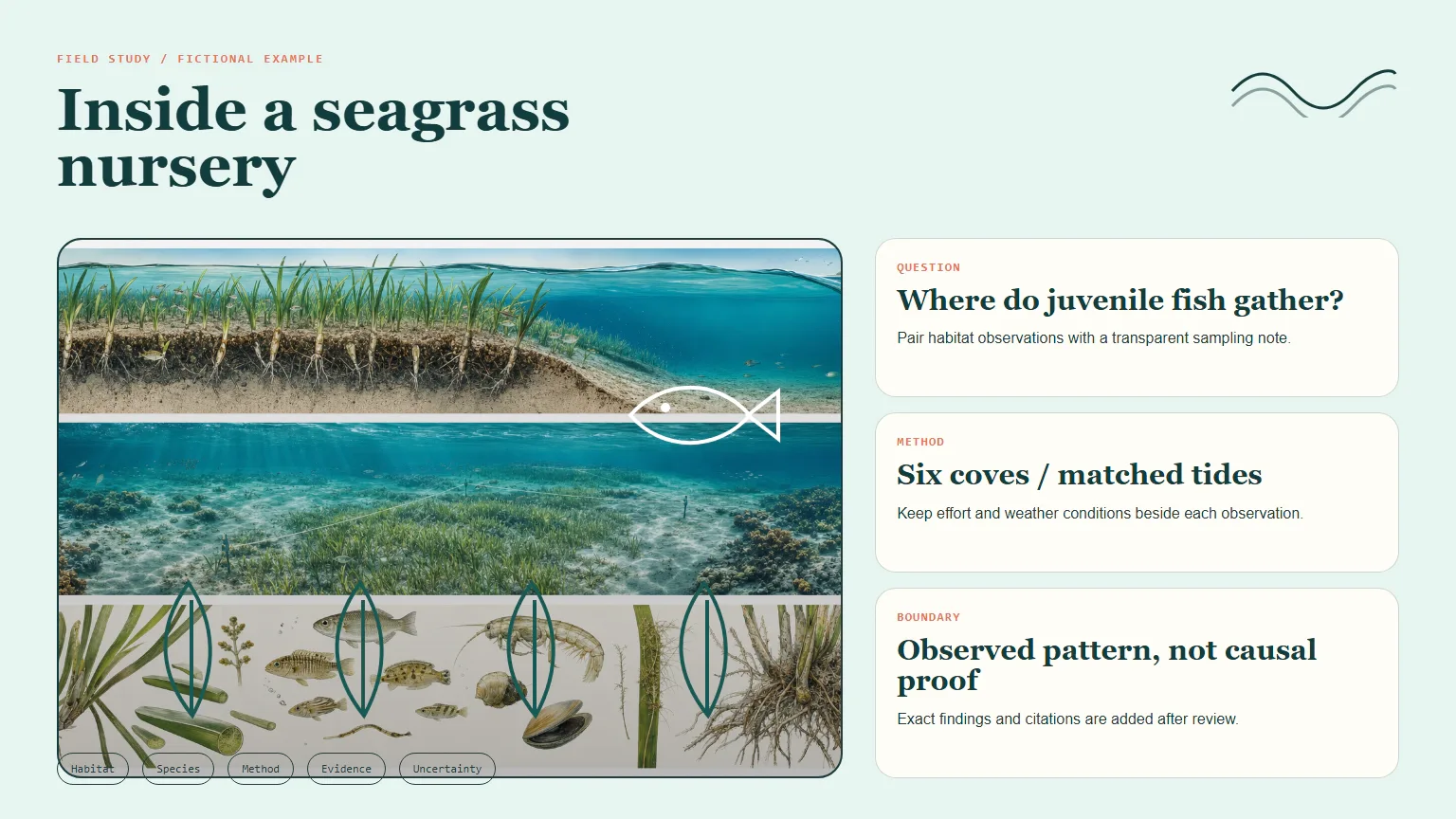
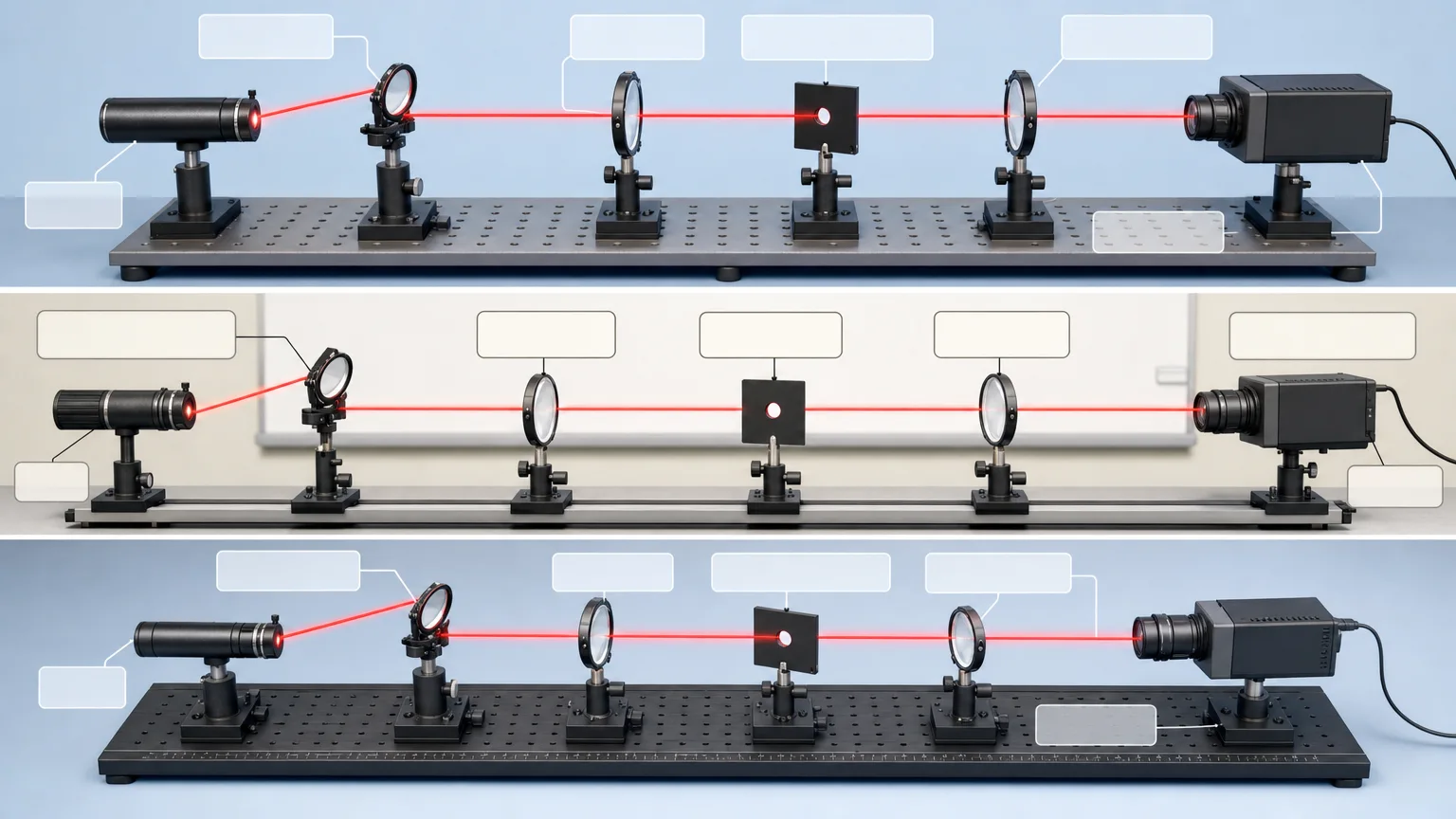
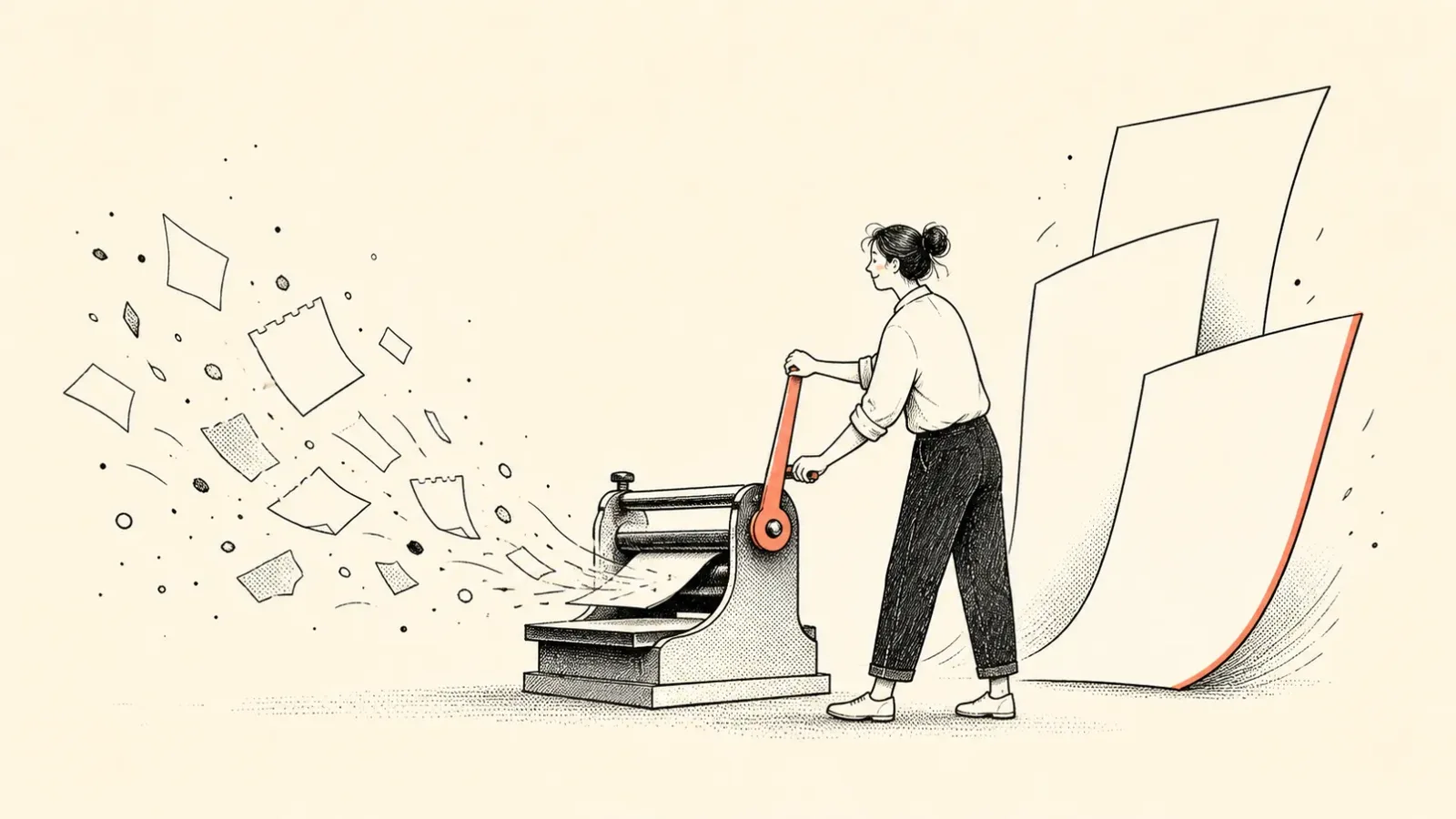
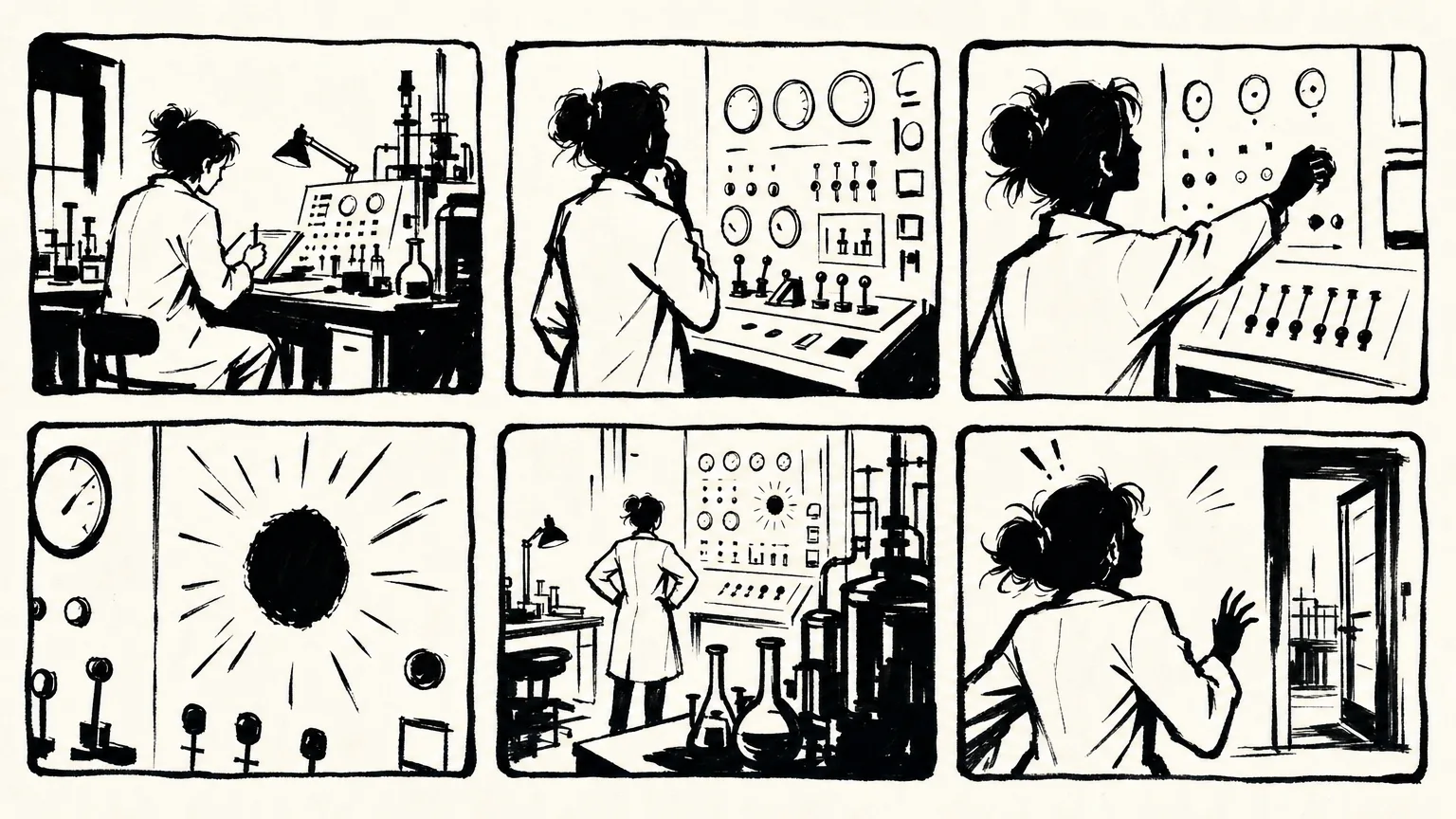
Explain one source-grounded idea as a 4:3 visual note with a prominent title, three to seven illustrated nodes and concise labels. Hand-Drawn Visual Notes extracts actors, actions, outcomes and conditions before choosing a process, causal chain, hierarchy, comparison or feedback loop. Thin black pencil lines on pure white carry the explanation, with restrained color supporting the logic.
What you get
One final 4:3 landscape raster note for one theme, with a short title at least one visual level larger than the node labels. Use three to seven illustrated nodes, preferably four or five, rather than a dense slide or a separate node for every source sentence.
A source-grounded relation structure and frozen copy map: English title/labels by default, another language only when explicitly requested. Qualifications that change the meaning stay represented, must-keep terms remain intact and every visible character is checked after generation.
An illustration-first composition distributed across the canvas, with an off-center title, open label space and clear noncrossing connectors. Each node uses a simple physical metaphor, not a paragraph in a badge. One dominant relation pattern keeps the visual reasoning readable.
A restrained notebook/whiteboard language: opaque white background, thin rounded near-black lines with slight handmade variation, small flat red/yellow/green accents and only an occasional tiny blue cue if needed. No gradients, shadows, realistic materials, 3D, stock glyph icons or heavy cartoon outlines.
The final image plus a one-sentence source summary, supported by a saved exact prompt and visual-review record. Native image generation is preferred when available; the optional FAL runner requests one high-quality 4:3 PNG and saves a persistent task record. A validator checks media dimensions and completed review fields, not OCR, source truth or aesthetic quality.
Before you choose
Read the image without its labels first: the drawings and paths should suggest the right relationship. Then inspect every word against the source-derived copy. A note only succeeds when the visual flow and exact wording agree; a clean whiteboard appearance alone is insufficient.
Good fit
A document, lesson, workflow or argument needs a focused explanation that can be understood at a glance.
An audience benefits from a short English-first summary with simple visual metaphors and explicit relationships.
A creator wants a minimal hand-drawn note rather than a dense infographic template.
Not for
Dense dashboards, long reports, many paragraphs or several unrelated ideas forced onto one canvas.
Photorealistic scenes, glossy 3D, realistic materials or polished product/interface mockups.
Pixel-perfect brand typography that must reproduce a particular licensed face, or a result whose visible wording has not been reviewed.
How to use
You say/hand-drawn-visual-notes Turn this product launch brief into one clear English sketchnote for my team.
Provide selected text, pasted material, a document or an accessible page, with optional audience/emphasis and must-keep terms. Read the entire relevant source before planning. If it cannot be accessed, obtain the missing text rather than infer absent facts; separate source facts from commentary.
Extract actors/subjects, actions, outcomes and conditions into one theme and three to seven useful nodes. Choose exactly one main pattern: causal chain, process, feedback loop, comparison or hierarchy. Keep a qualification when removing it would change the argument.
Write and approve one short title and concise node labels, English by default. Translate before generation only if another language is requested, preserving established terms as needed. Freeze the copy and quote every string verbatim in the prompt; unusual terms can be checked character by character in working notes without changing their visible form.
Plan the strict 4:3 canvas with an off-center dominant title, one metaphor per node and a loose reading path across the whole image. Route arrows around labels and drawings without crossings or ambiguous destinations. Specify pure white, thin rounded black lines, sparse flat accents and no extra text, logos, watermarks, gradients or dimensional effects.
Prefer an available native image tool and request exactly one image, not a sheet of variants. If none is available, use the bundled FAL runner with Node.js 20+, FAL_KEY in the environment and explicit approval for the exact new paid prompt/reference set. It requests landscape_4_3/high-quality PNG. Native-tool account limits may apply; FAL separately charges each generated or edited image.
For FAL, keep the prompt, output and task file. The runner claims the task file before submission, records uncertain/rejected responses and does not resubmit when an ID is missing. An existing identified request resumes with matching inputs; failed tasks require review and new approval before replacement. The downloader checks PNG/4:3 dimensions and hashes, refuses unrelated existing outputs and can recover an exact saved result without another submission. Do not delete an active or ambiguous task record to force a retry.
Inspect the image at full size against the frozen title/labels character by character. Trace every arrow and confirm source fidelity, illustration-first hierarchy, balanced spacing, opaque white, sparse flat color and absence of unwanted glyphs or realistic effects. If a paid result needs correction, identify one defect and obtain approval before another generation/edit while preserving all other approved choices.
Fill the review JSON only after visual inspection, then run the output validator with image and review paths. It checks actual aspect dimensions, a title, three-to-seven labels and confirmed review flags; it does not read the image or verify the source. Deliver one verified final image and a one-sentence source-grounded summary, with remaining issues stated rather than presenting an unverified draft as final.
Requirements and costs
You bring
Selected text, pasted source material, or an accessible page to explain · Optional audience, emphasis, and terms that must remain verbatim
Dependencies
FAL account and API key — required when the host has no native image-generation tool · Node.js 20 or newer — required for the bundled FAL runner
Outside costs
FAL charges per generated or edited image when the bundled runner is used. The workflow requires approval before a new paid task and never retries a failed task automatically.
Publisher testing
v1.0.0 — Claude Code / Claude Desktop / Cowork / Codex / ChatGPT
FAQ
Selected text, pasted notes, a document or an accessible public page. The source must be readable in full before its structure is planned. If access fails, provide the relevant text; the workflow should not invent facts from an inaccessible page.
One short title and three to seven concise labels, preferably four or five nodes. Reduce longer copy into one focused theme while keeping meaning-changing conditions. Illustrations and relationships should carry the explanation; the note is not a place for long paragraphs.
Yes, as a required human visual step: freeze the copy before generation, then compare every character of the title and labels against it. English is the default, with another language only on request. The validator checks dimensions and your completed review record; it performs no OCR or factual verification.
An available native image tool may need no separate provider key, subject to your account’s usage limits. The fallback FAL path requires FAL_KEY and Node.js 20+ and separately charges each new image/edit. Its persisted task resumes the existing request rather than automatically replacing a failure; another paid attempt needs approval.
User reviews
—0 reviews
Select a star to share your experience.
No reviews yet. Ratings appear once readers share real experiences.