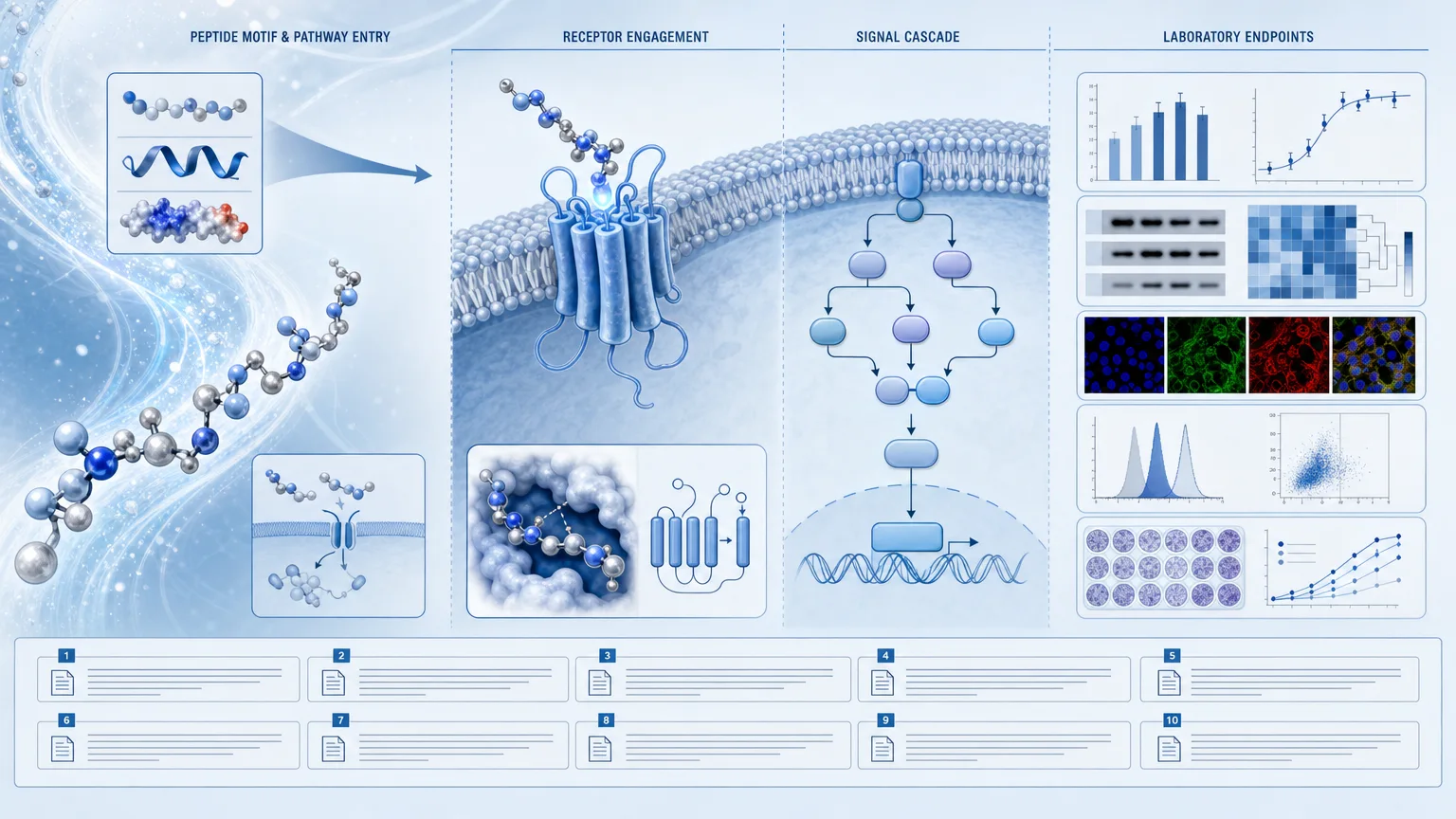
Organize approved skin-anatomy and mechanism statements into an educational cross-section with visible evidence limits. Skin Mechanism Visual distinguishes anatomy, intervention location, proposed pathway and measured endpoint, while giving citations, limitations and claim status their own space. It explains reviewed material without offering diagnosis, treatment advice or proof of efficacy.
What you get
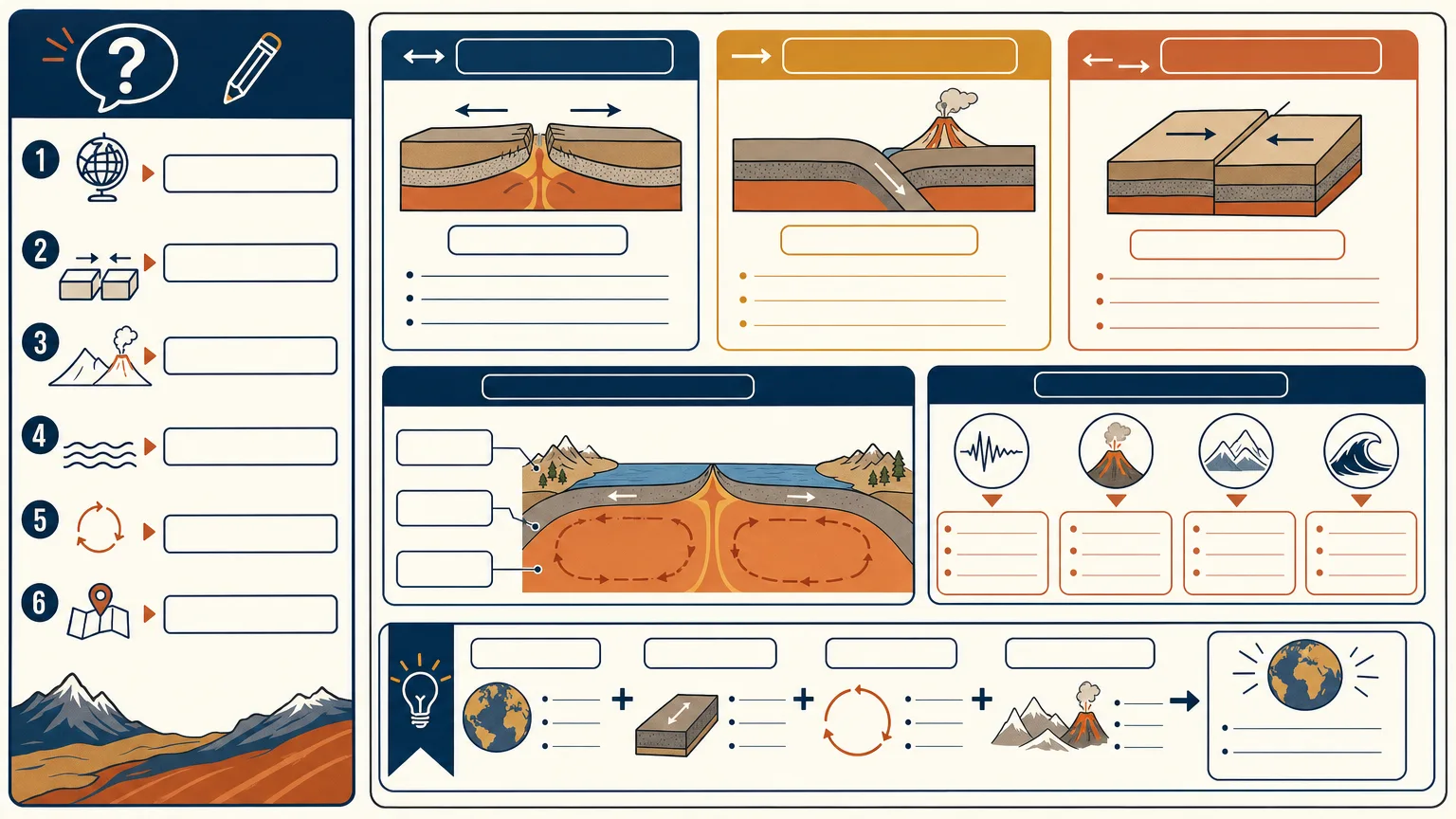
Three 16:9 educational composition alternatives with a neutral skin cross-section and clearly separated major layers. The intended base art excludes branded products, patient faces and efficacy numbers; it should not create a deceptive before-and-after or clinical advertising scene.
A claim ledger recording each statement, citation, population/model, endpoint, limitation and status. Supplied status categories include established, emerging, hypothetical and marketing; visual treatment should not promote one category into another.
Distinct pathway, citation, limitation and claim-status areas. Established and hypothetical mechanisms receive different arrow treatments, with exact scientific wording and evidence added after generation rather than inferred from a convincing anatomical image.
A comparison of the final visual claims with the approved table, plus an evidence/uncertainty handoff. Subject-matter and regulatory review are required by the workflow before public/commercial use; the package does not perform that review or decide compliance.
One paid FAL task requesting three high-quality 1536×864 PNG variants, supported by workflow instructions and an SVG icon reference. The wrapper checks returned count, not anatomy, clinical truth, actual ratio or claim status. Deterministic labels/citations and final visual review remain separate steps.
Before you choose
Read each arrow as a claim. The viewer should be able to tell its evidence status, supporting source and measured endpoint without interpreting the anatomical rendering as proof. Keep hypotheses visually distinct and remove effects that strengthen the claim beyond the supplied material.
Good fit
A researcher needs an evidence-bounded figure for a talk, poster or review.
A science communicator has reviewed anatomy/mechanism material and wants its limits clear.
A content marketer works from cited scientific claims and has the appropriate subject/publication reviewers.
Not for
Diagnosis, treatment recommendations, clinical decisions or artwork represented as proof of efficacy.
Invented efficacy percentages, time-to-effect, molecular targets or before-and-after outcomes.
Deceptive medical imagery, patient advertising, branded product placement, patient faces or invasive-procedure imagery in the generated composition.
How to use
You say/skin-mechanism-visual Make an educational skin-barrier pathway figure from my reviewed anatomy and citations.
Provide approved anatomy/mechanism statements, a citation for every biological or efficacy claim, the claim status, audience, jurisdiction and review requirements. Ask for missing essentials or record verification items; do not silently invent scientific detail.
Build the claim ledger with statement, citation, population/model, measured endpoint, limitations and status. Reduce the visual into anatomy, intervention location, proposed pathway and endpoint, keeping hypotheses and established mechanisms distinguishable. Plan different arrow treatments without implying more evidence than supplied.
Write a fresh English brief for unlabeled anatomy and reserved claim/citation zones, excluding patients, products, efficacy numbers and misleading effects. Exact scientific language, qualifiers and citations belong in a deterministic post-generation layout. Review the brief before payment.
Use Node.js 20 or newer with a FAL account and FAL_KEY in the environment. One paid task requests three high-quality 1536×864 PNG variants. The wrapper does not assess anatomy, citation validity, regulatory status or efficacy.
Keep provider-task.json and the approved prompt. A saved request ID resumes with the same prompt/output directory; recorded failures are not automatically resubmitted. The record is written after submission returns, so manually inspect provider history before retrying an uncertain response or failed write. Preserve reviewed copies separately because resumed downloads may overwrite matching filenames.
Compare all three alternatives with the approved table, inspecting layers, pathway direction, arrow status, quantities and implied claims, as well as actual ratio, distinction and unwanted identities/watermarks. Add exact labels, citations, limitations and disclaimers with a deterministic tool, using restrained inline SVG for functional callouts.
Route the final figure for subject-matter and regulatory review before public/commercial use. Deliver the images, evidence table and unresolved items without presenting a polished mechanism image as medical advice or a demonstrated clinical benefit.
Requirements and costs
You bring
Approved anatomy and mechanism statements · Citation for every biological or efficacy claim · Claim status: established, emerging, hypothetical, or marketing · Audience, jurisdiction, and review requirements
Image generation uses a paid fal.ai task. Review the prompt before submission; failed tasks are never submitted again automatically.
Publisher testing
v1.0.1 — Claude Code / Claude Desktop / Cowork / Codex / ChatGPT
FAQ
Approved anatomy/mechanism statements, citations for every biological or efficacy claim, explicit status—established, emerging, hypothetical or marketing—and the audience, jurisdiction and required reviewers. The ledger also records population/model, endpoint and limitations. Missing evidence remains pending.
No. Generate the base anatomy with clean zones, then typeset exact statements, citations, values and disclaimers from the approved table. Review arrow meaning and placement as well as wording. The generator supplies no automatic anatomy, citation or claims verifier.
No. It organizes reviewed evidence and does not establish diagnosis, treatment guidance or clinical benefit. Public/commercial use still needs the workflow’s subject-matter and regulatory review. FAL_KEY and Node.js 20+ support a paid image request, not that review.
User reviews
—0 reviews
Select a star to share your experience.
No reviews yet. Ratings appear once readers share real experiences.