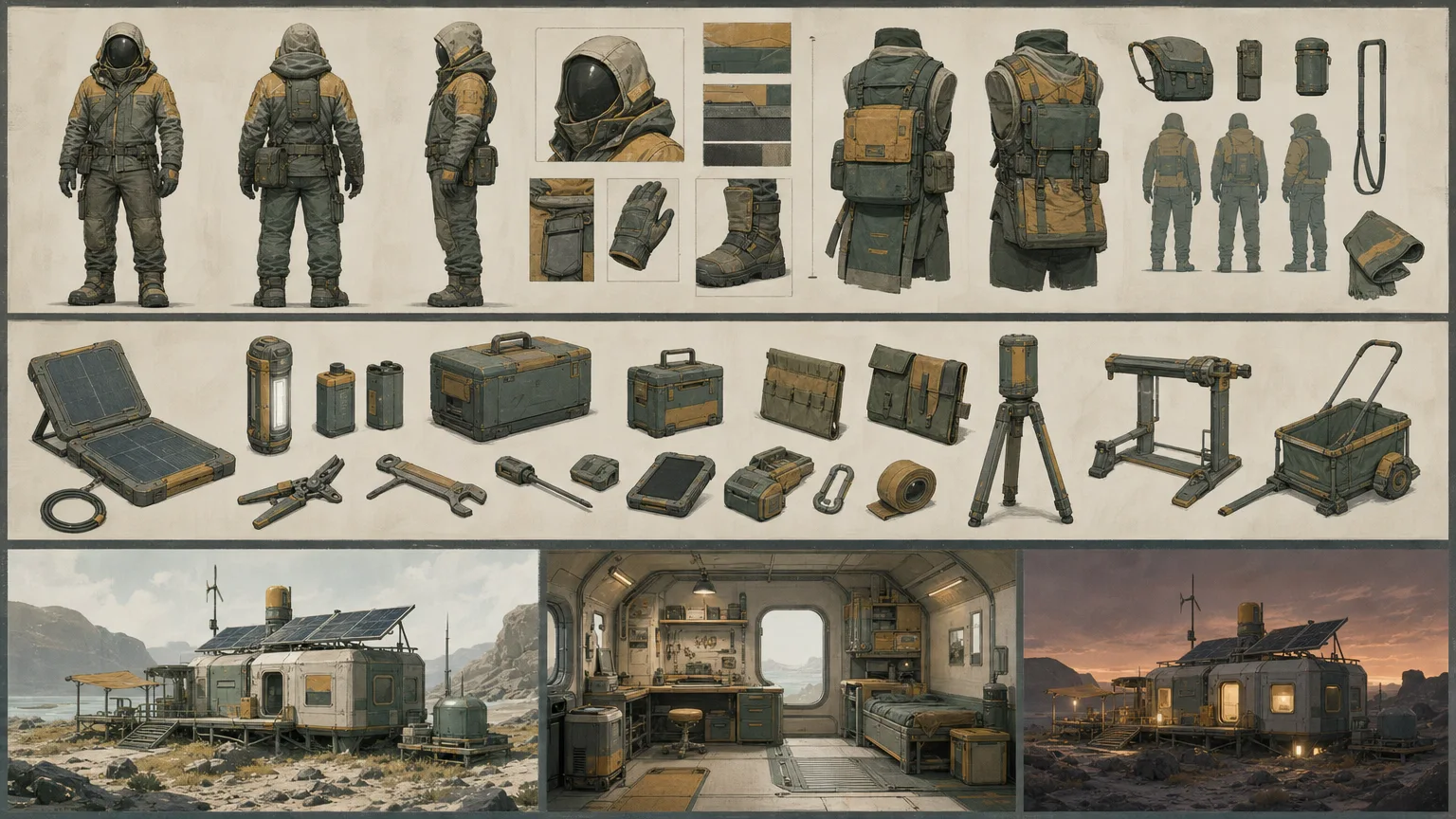
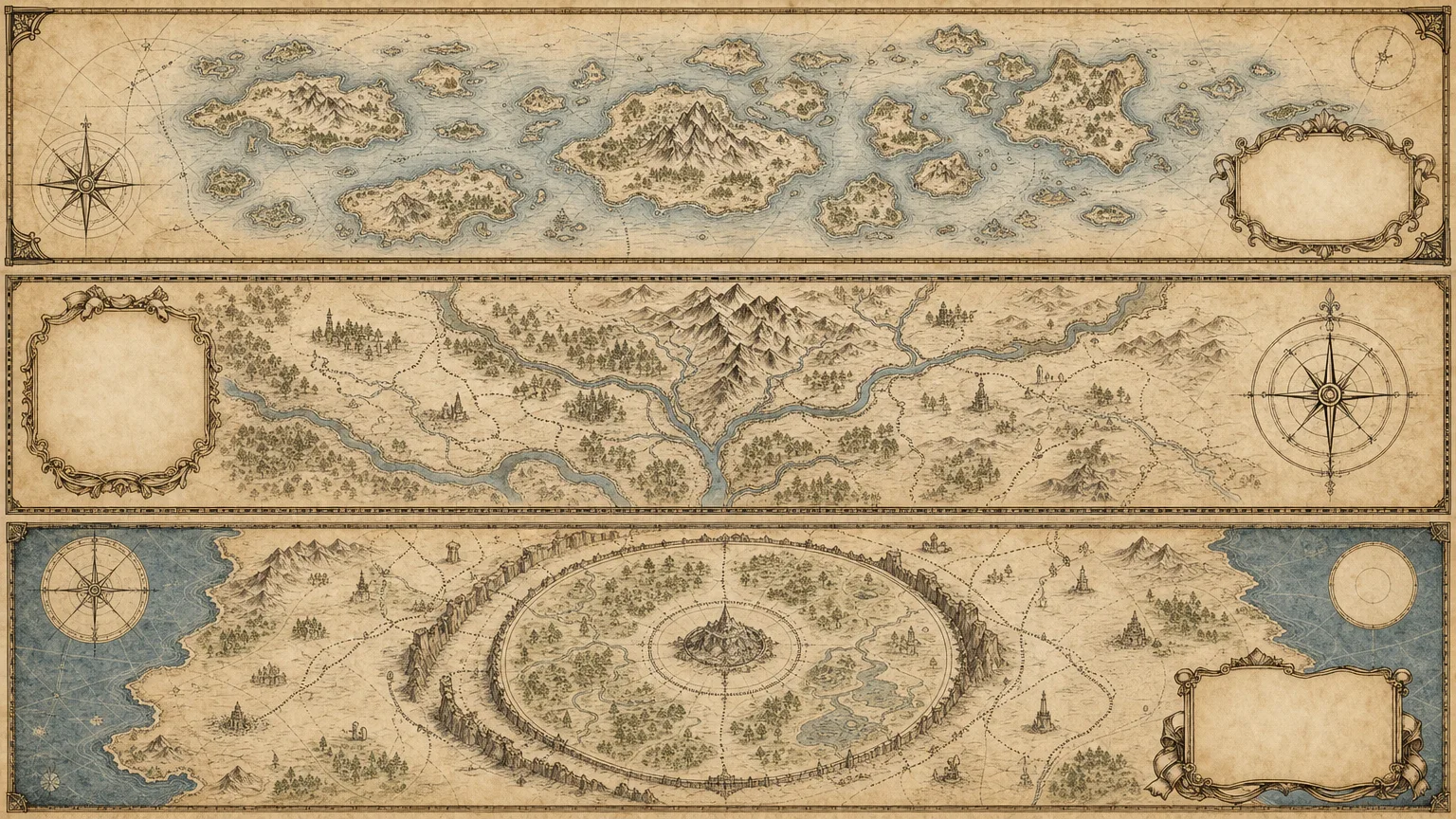
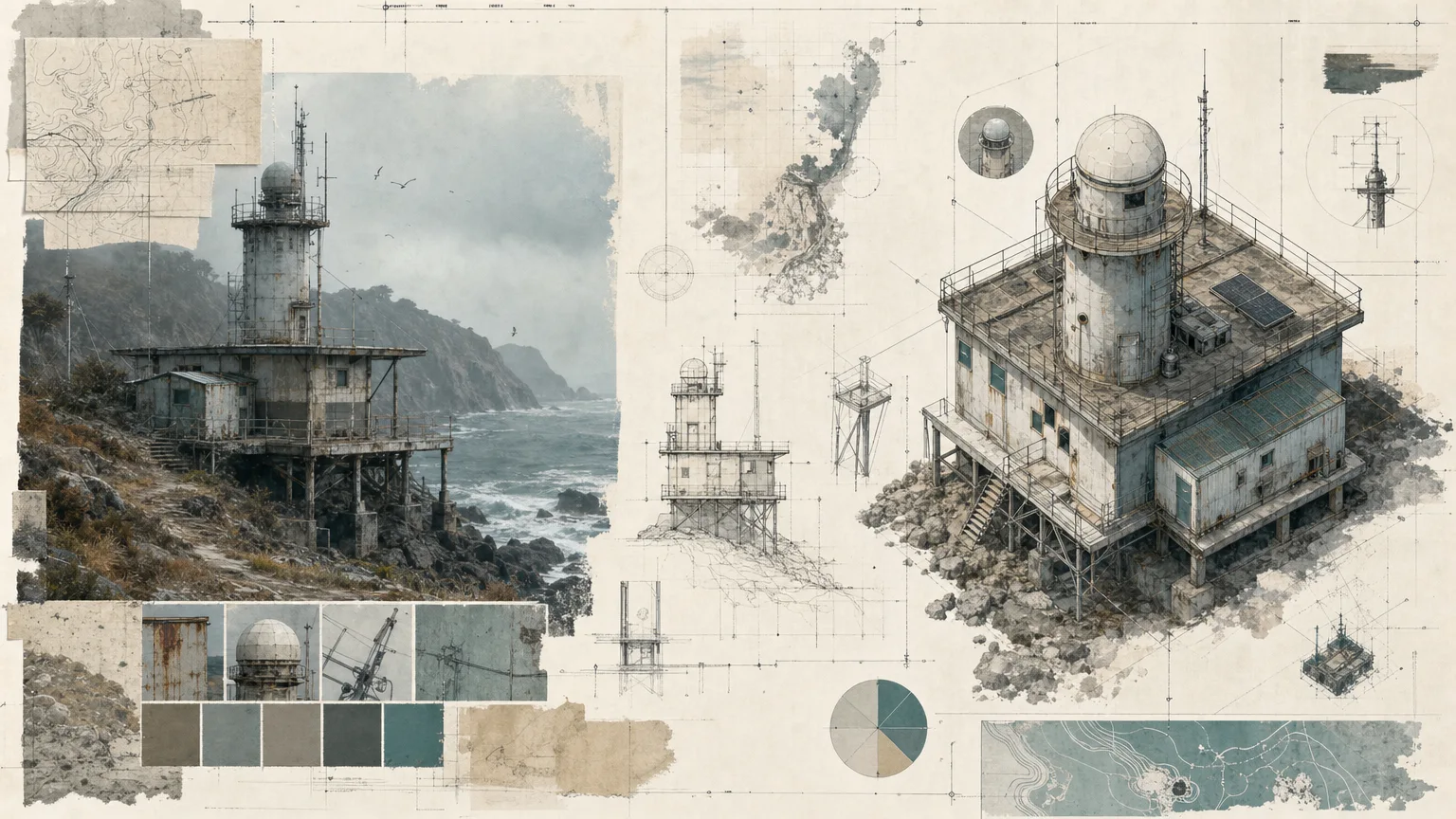
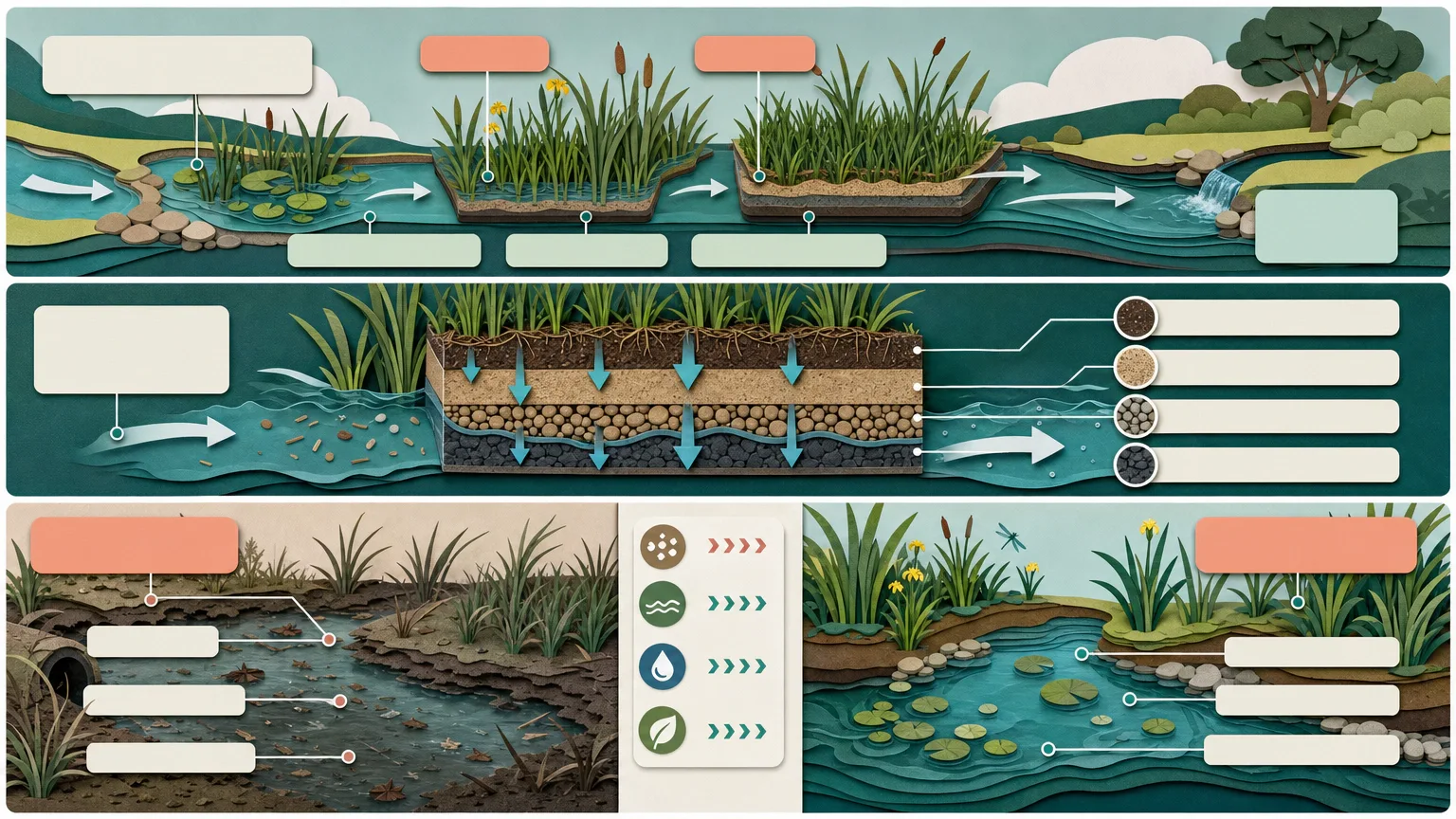
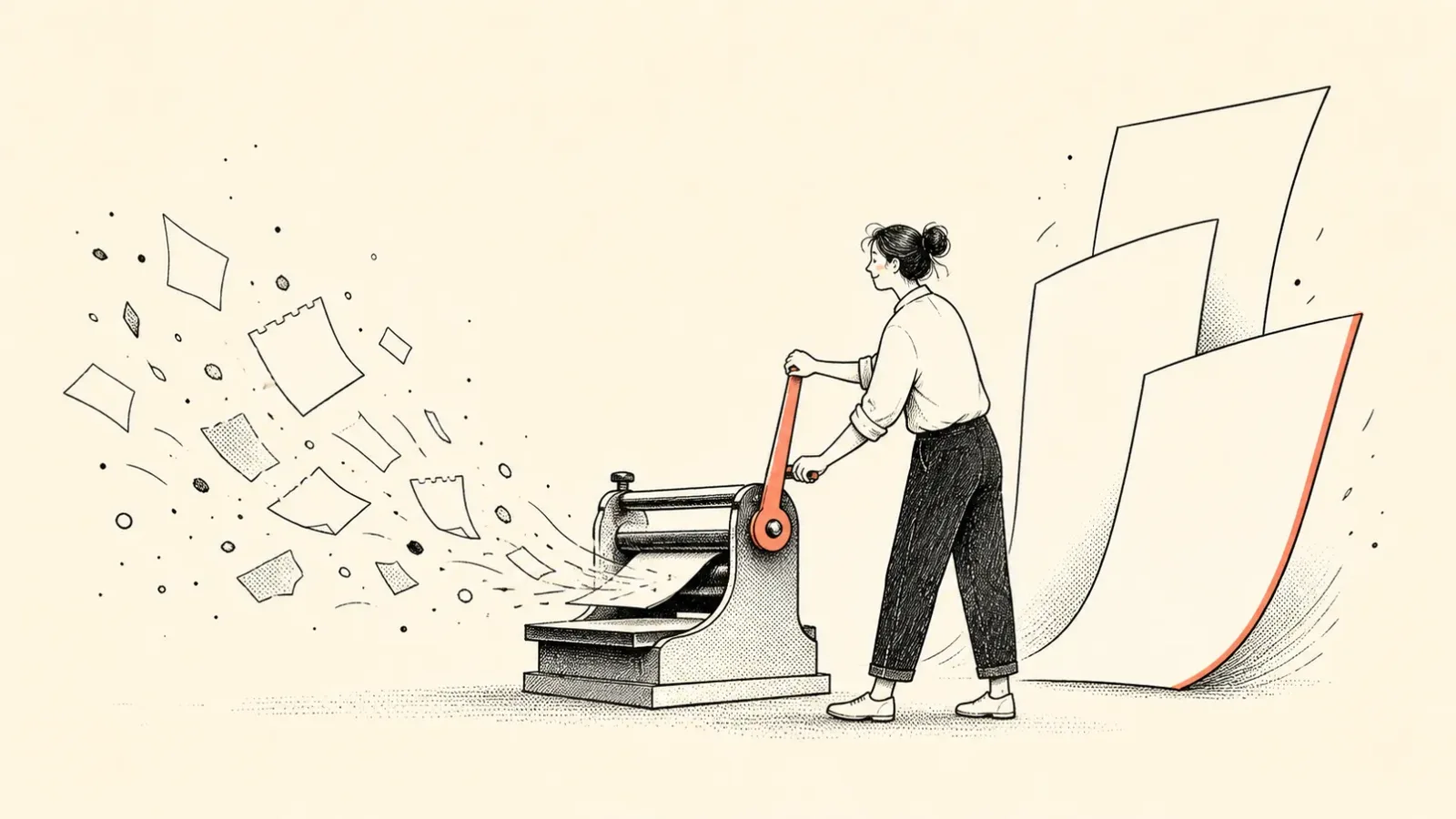
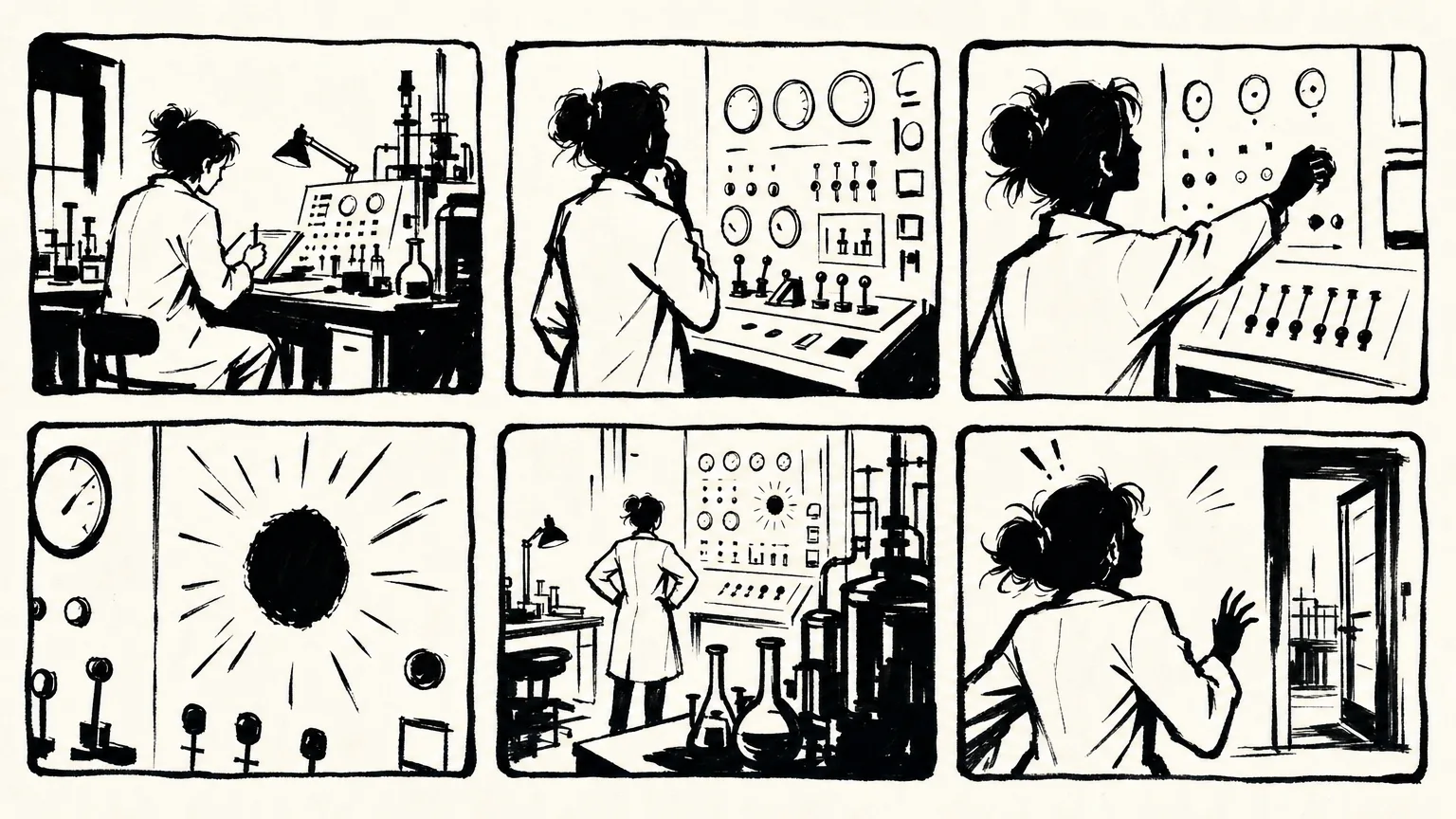
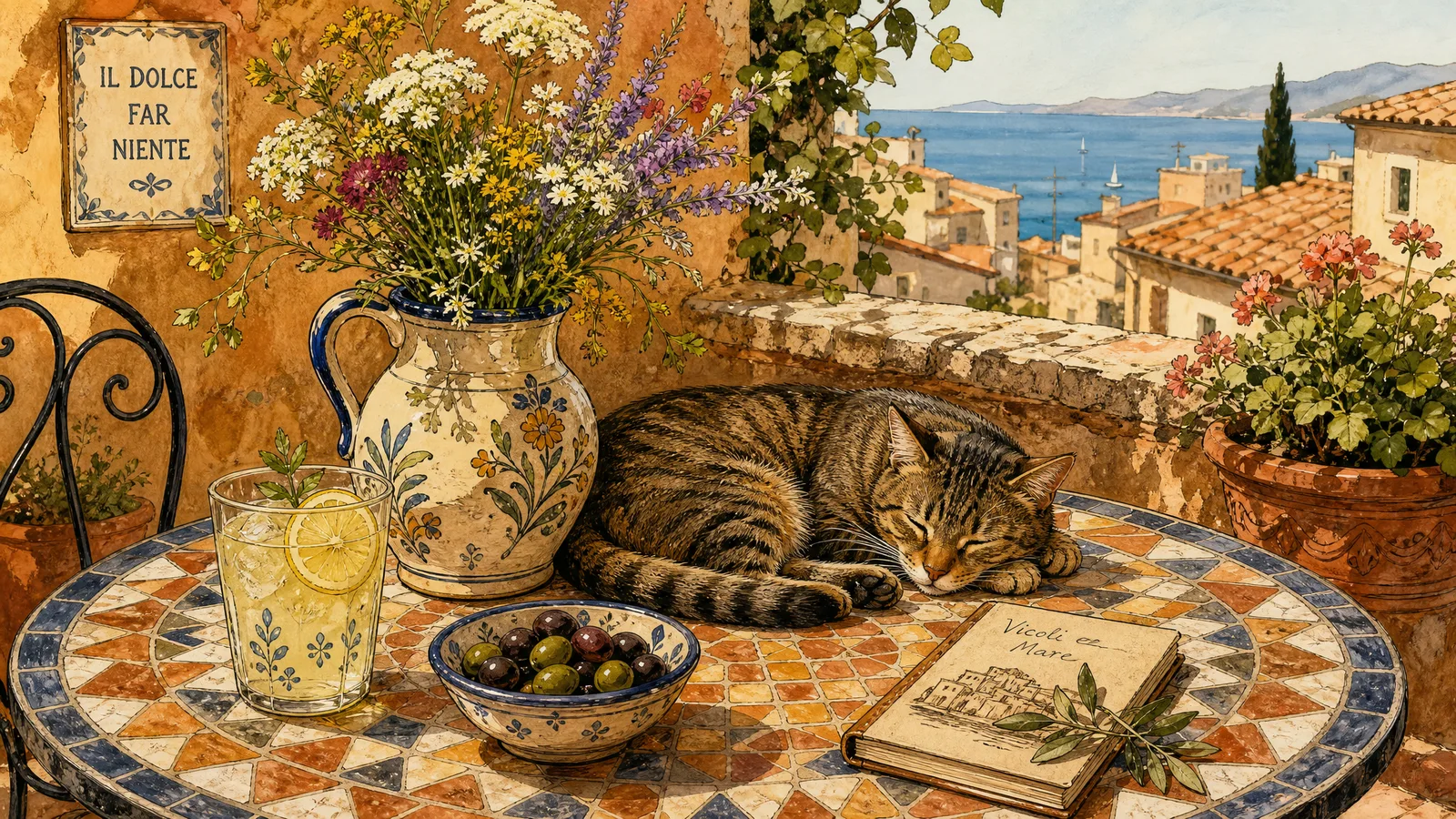
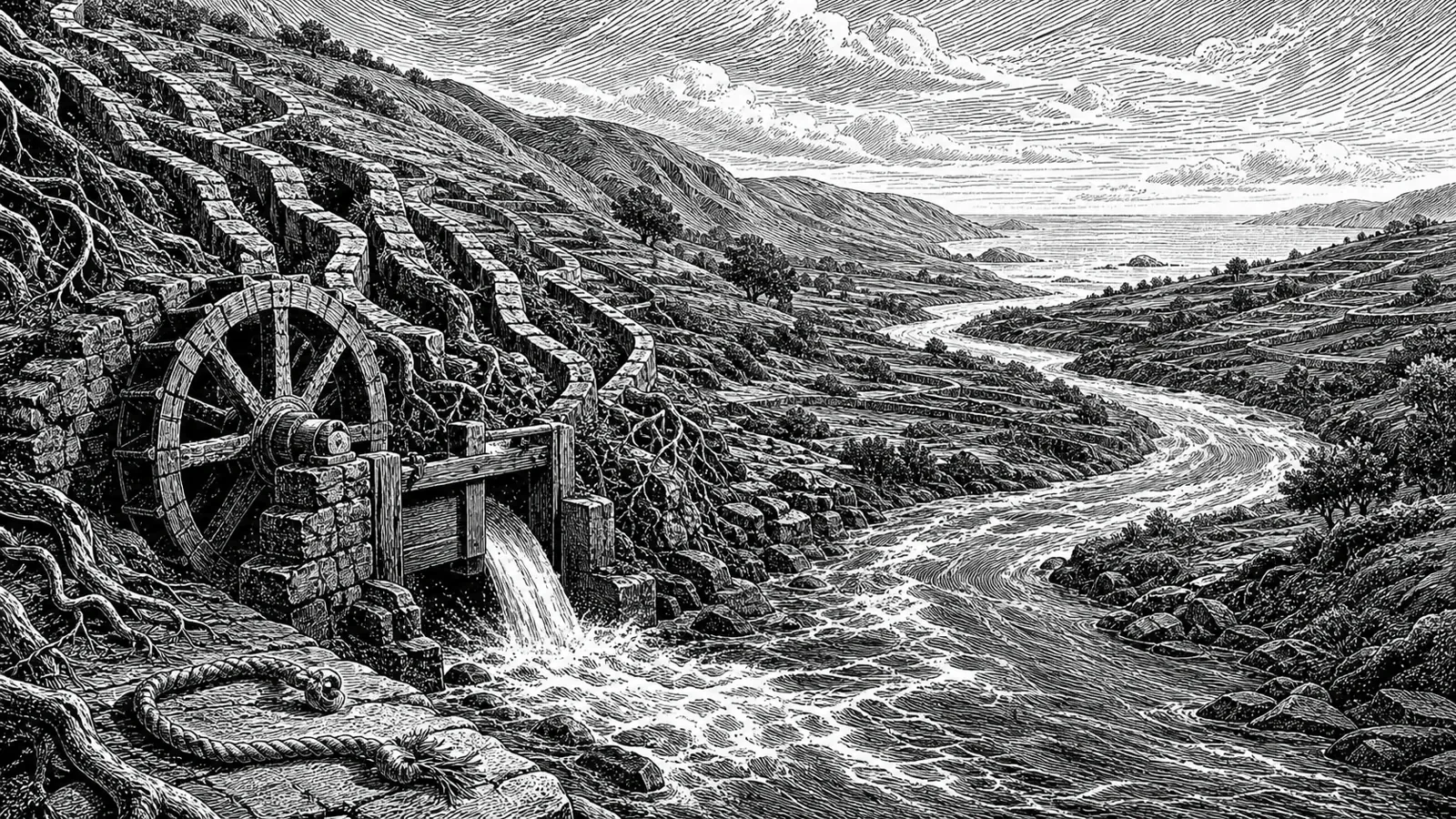
Compare three photographic interpretations of one approved subject, with deliberate attention to line, shape, texture, balance and negative space. Composition Study Generator gives each direction a stated visual principle and intended feeling, so the set can support an editorial or creative decision rather than offer three unexplained variations.
What you get
Three distinct 16:9 photographic-study previews around the same approved subject and context. Each direction should make its assigned composition principle visible while respecting the requested lighting, lens character, palette and emotional intent.
A source ledger keeping supplied subject facts, creative assumptions, rights, privacy/disclosure requirements and unresolved questions separate. A reviewed production brief defines composition, continuity, exclusions and any protected zones for labels added later.
A quality pass for subject meaning, visible compositional differences, continuity, anatomy where relevant, unwanted text, watermarks, branding and unlicensed identities. A generated photographic look is an illustration, not evidence that an event was photographed.
Exactly three final 16:9 WebP review files with unresolved issues recorded. The included script requests three high-quality 1536×864 PNG variants from one prompt; it does not assign a different principle to each result, verify visual differences or convert to WebP. Those checks and final export are separate production work.
An installable workflow, short image-brief contract, SVG icon reference and FAL generator with saved task state. It does not deliver a real camera shoot, lens measurement, physical lighting simulation or editable photographic layers.
Before you choose
Name the visible difference before selecting a favorite. If the same subject is merely recolored three times, the set may not have explored line, balance or negative space as requested. Evaluate how each composition changes the reading, while keeping the subject’s approved facts and disclosure rules fixed.
Good fit
An editor wants to commission original visual directions for a known subject before choosing an image treatment.
A publisher needs a coherent photographic visual system while comparing how framing, space and balance change the message.
A creator can approve subject/context rights and assess each study’s intended meaning before delivery.
Not for
Inventing subject facts, measurements, citations, ownership, permissions or guarantees to make a study look authoritative.
Replacing subject, rights, privacy, accessibility or final human review, or presenting generated photography as a documented real event.
How to use
You say/composition-study-generator Create three photographic studies of my chosen subject, varying line, shape, texture, balance and negative space.
Provide the subject, context and intended feeling, plus the composition principle to study in each of the three directions. State lighting, lens character, palette, ratio, audience/use and rights/privacy/disclosure/prohibited-content rules. Identify the final reviewer.
Separate fixed subject facts from creative choices and pending questions in a ledger. Review a new English brief that makes the chosen changes in line, shape, texture, balance or negative space explicit, with continuity rules and exclusions. Reserve blank zones for any exact notes instead of generating small text.
Run the bundled script using Node.js 20 or newer and FAL_KEY from a FAL account. One paid task requests three 1536×864 high-quality PNG variants from one shared prompt. Arbitrary ratios in the brief are not script options, and three returned images do not establish that the three assigned principles have been represented.
Preserve provider-task.json and the prompt to resume the same identified request. A recorded failed task is blocked from automatic resubmission. Because the record is written only after submission returns, manually inspect provider history before retrying an ambiguous response or failed record write. Keep approved files separate because resumed downloads may overwrite matching paths.
Inspect all three studies side by side: identify the principle each actually demonstrates, compare subject/context continuity and intended feeling, and check visual distinctness, actual dimensions, anatomy and unwanted identities/text. Reject changes that invent factual content or make a generated scene read as undisclosed documentary evidence.
Add any exact notes with a deterministic overlay, using labelled inline SVG only for genuine functional symbols. Convert to WebP, verify the final three files and record unresolved issues. Keep the reviewer’s subject, rights, privacy, accessibility and delivery decision separate from the script’s image-count success.
Requirements and costs
You bring
Approved subject, context, and intended feeling · Composition principle to study in each direction · Lighting, lens character, ratio, and palette · Rights, privacy, disclosure, and prohibited-content constraints
Image generation uses one paid FAL task for three directions. Review the brief before submission; a failed task is never retried automatically.
Publisher testing
v1.0.0 — Claude Code / Claude Desktop / Cowork / Codex / ChatGPT
FAQ
The intended workflow develops a new brief, composition and visual system around your approved subject. It excludes copied branding, identities, protected assets and distinctive reference expressions. Inspect the images and source permissions; the generation prompt is not a rights-clearance certificate.
They remain visibly pending in the source ledger instead of being replaced with plausible guesses. Creative composition choices are recorded separately from factual claims and rights/privacy decisions, which stay with the named reviewer.
Three distinct 16:9 WebP review studies are intended, each evaluated for its assigned composition principle. The paid FAL wrapper returns three PNG variants at 1536×864 from one prompt; semantic comparison, exact overlays if needed and WebP conversion remain additional steps. It requires FAL_KEY and Node.js 20+, not a physical camera session.
User reviews
—0 reviews
Select a star to share your experience.
No reviews yet. Ratings appear once readers share real experiences.