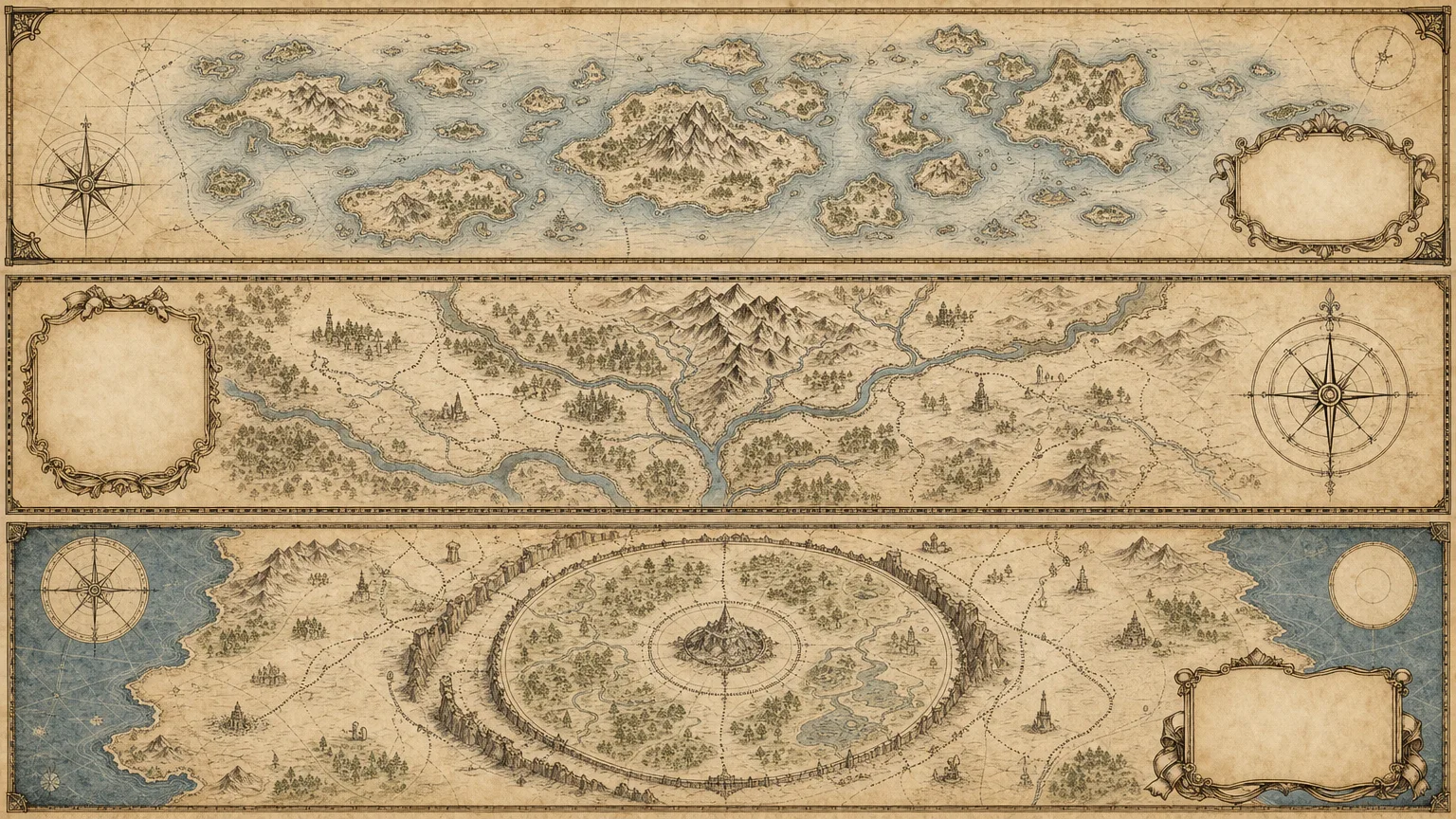
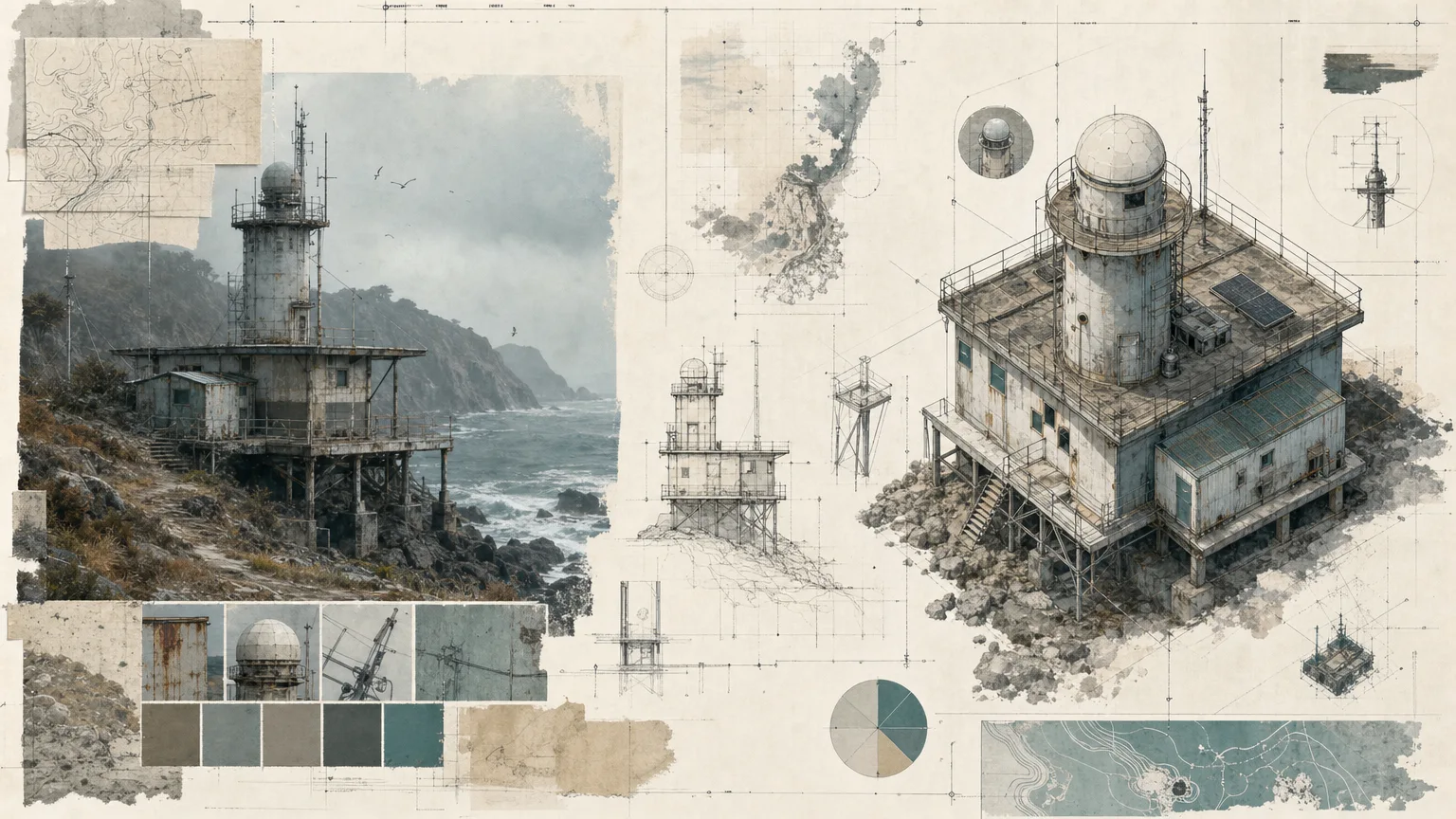
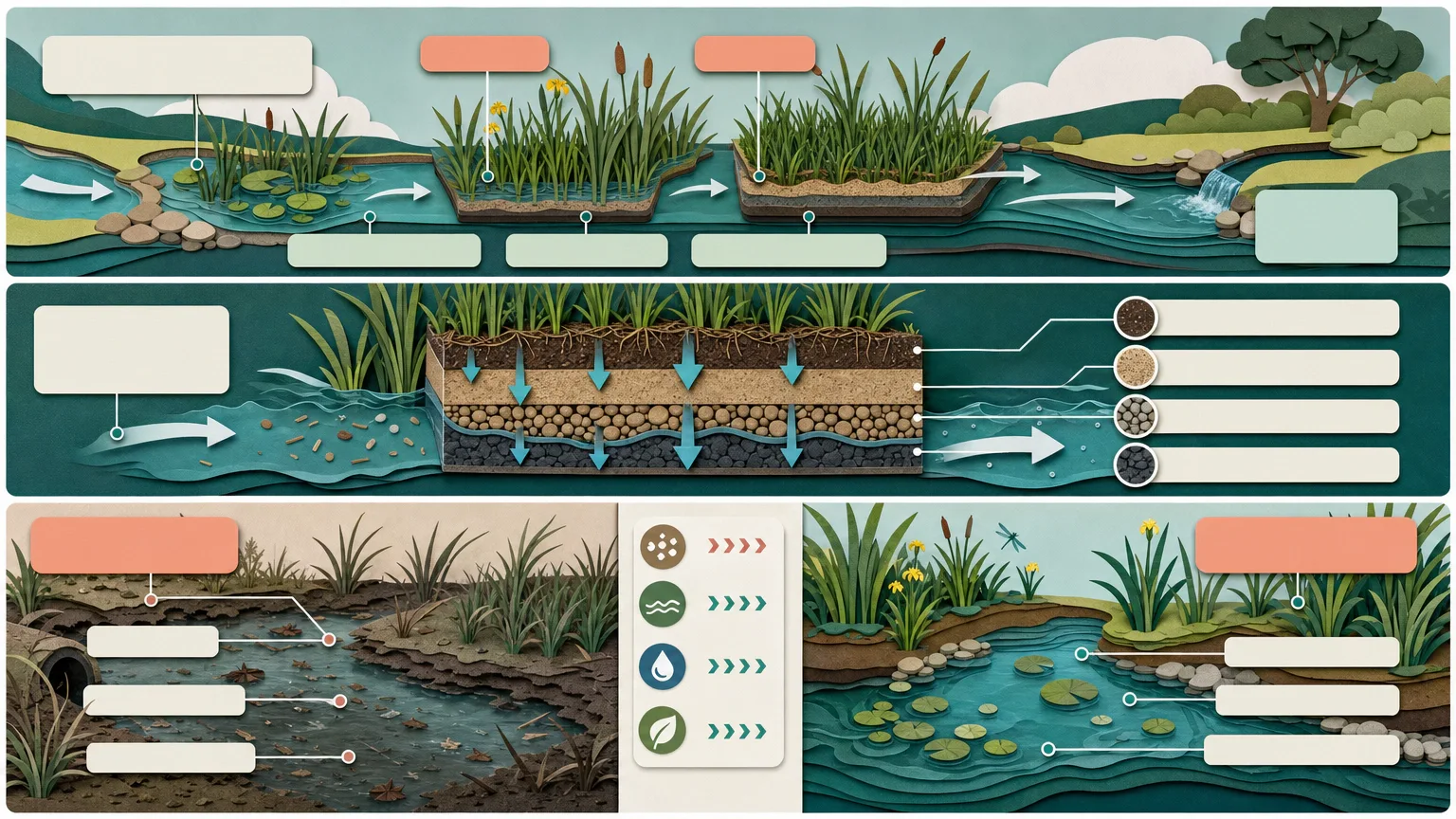
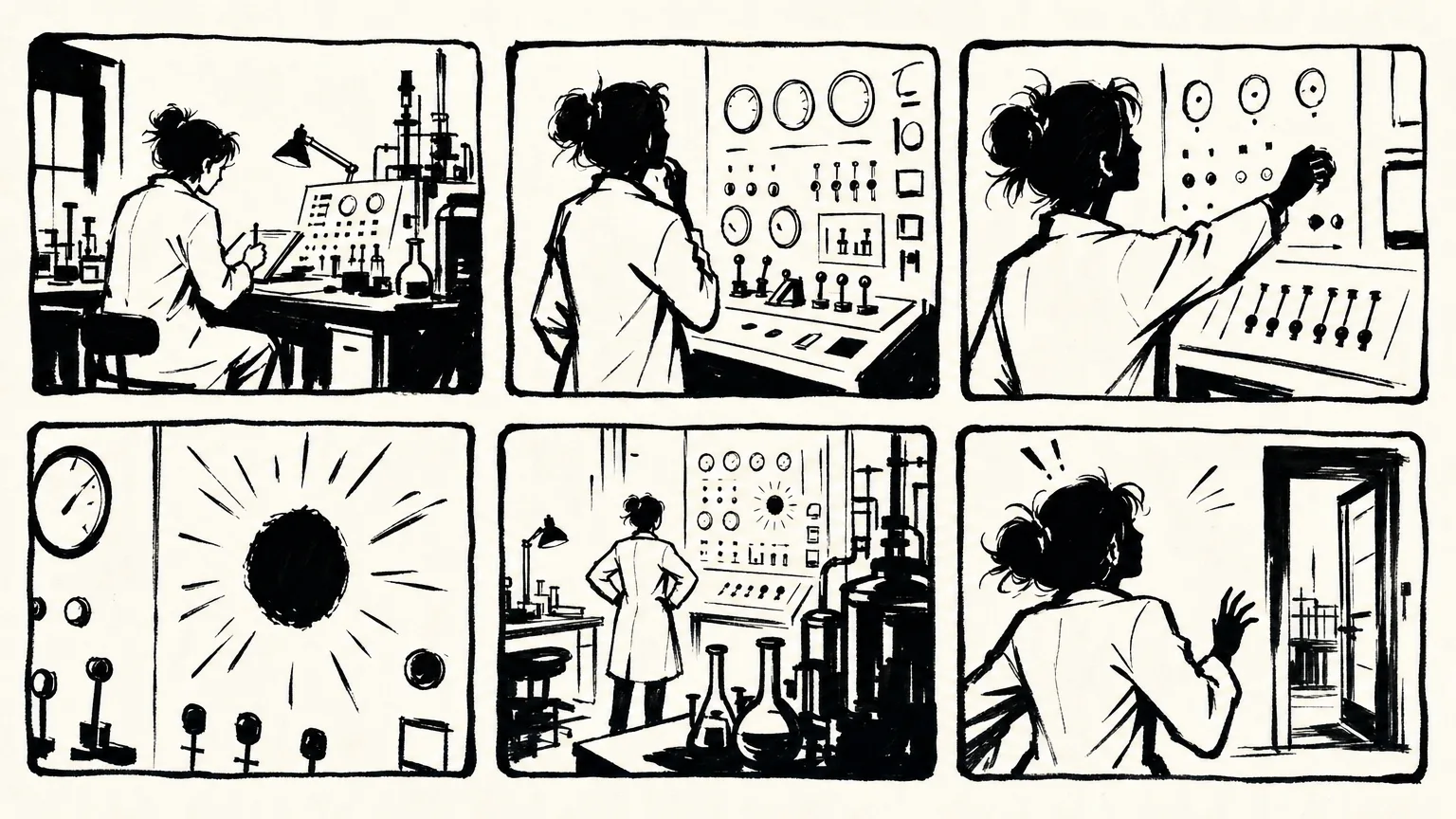
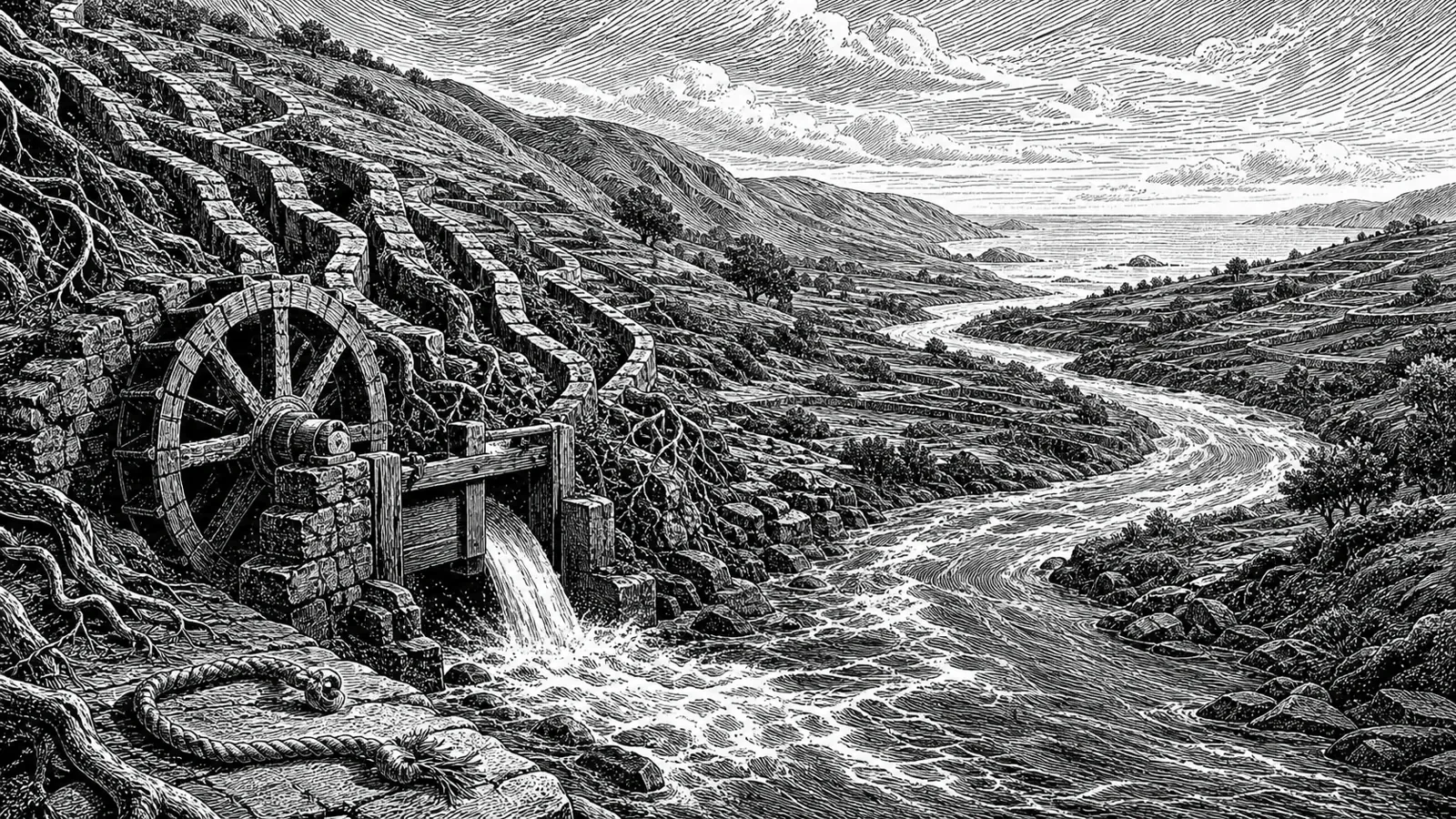
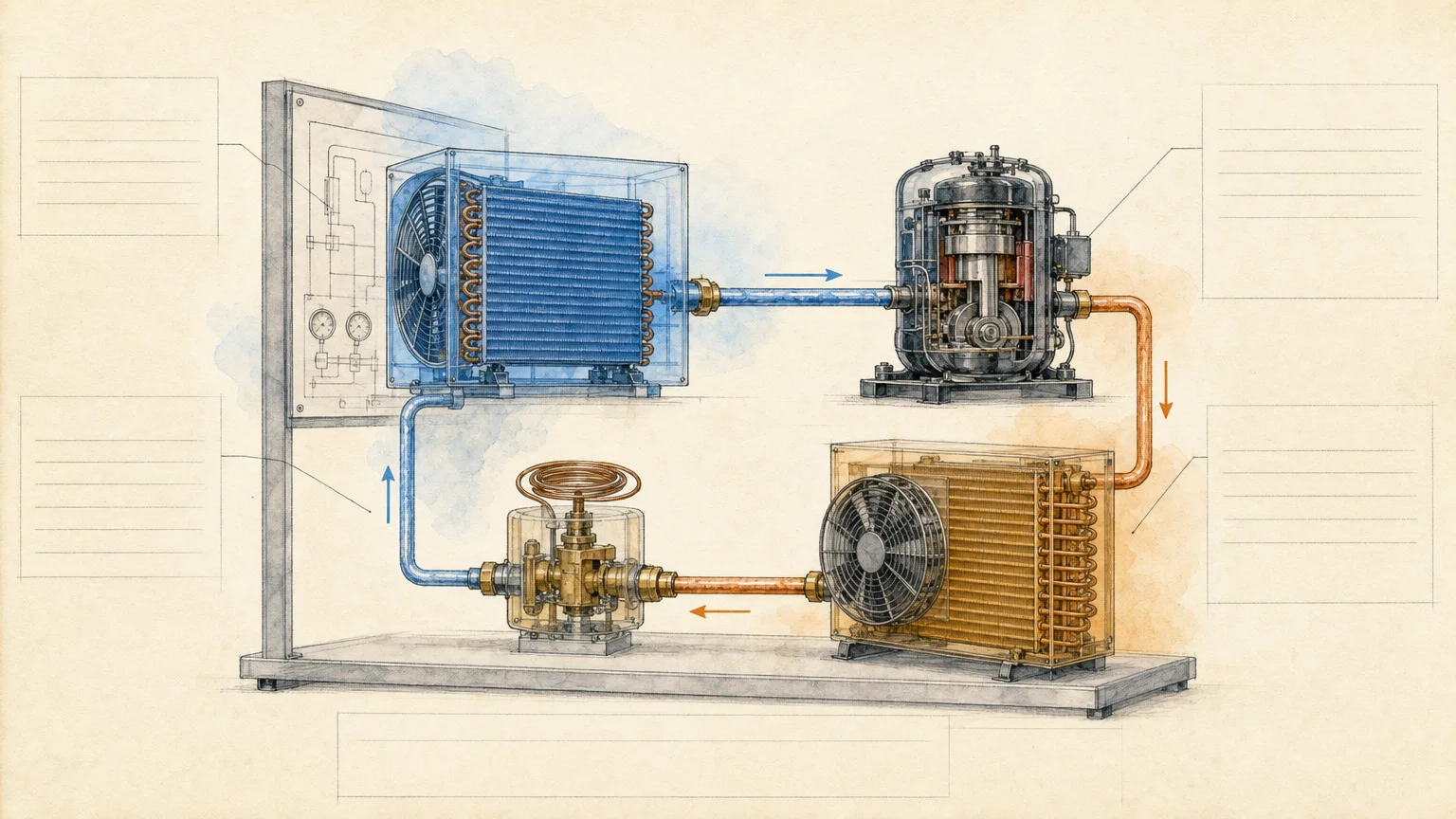
Develop character, prop and environment studies as parts of the same fictional visual world. Continuity Asset Set uses a shared sheet for shape, palette, scale, materials and lighting, then creates three review directions. The goal is useful variation within agreed anchors, with mismatches and unresolved choices recorded rather than hidden.
What you get
Three distinct 16:9 asset-study previews governed by the approved fictional subject set and usage context. Required views and differences are specified across characters, props and environments while the same shape, palette, scale, material and lighting anchors guide the set.
A source ledger separating fixed subject information, creative assumptions, rights/privacy constraints and unresolved questions. A reviewed production brief carries composition, continuity, exclusions and blank zones for exact labels, with a named human review owner.
A quality pass comparing all three results for identity, visual consistency, anatomy where relevant, meaningful differences and unwanted text, logos, watermarks or copied references. Exact notes are added later in a deterministic overlay rather than trusted to model-rendered small text.
Exactly three standalone 16:9 WebP review files after inspection and export. The included wrapper actually requests three 1536×864 PNG variants from one prompt; it does not automatically allocate character/prop/environment roles, enforce continuity or convert to WebP. Those checks and final formatting remain part of production.
The installation includes workflow instructions, a brief contract, an SVG icon reference and a FAL generation script with saved request state. These are raster concept studies, not rigged assets, editable 3D models or a continuity-enforcement engine.
Before you choose
Compare the set by anchors rather than by overall resemblance. Identify which shape, scale, material or lighting rule makes the character, prop and environment belong together, then separate deliberate variation from an accidental identity change.
Good fit
An editor or creator has approved fictional subjects and needs related visual studies before choosing an asset direction.
A publisher wants characters, objects and settings to share a recognizable visual system across uses.
A team can review intended meaning, continuity anchors, reference permissions and privacy before delivery.
Not for
Inventing facts, dimensions, citations, ownership, permissions or guarantees to fill gaps in the brief.
Reusing protected characters, source-platform branding, watermarks or unlicensed reference assets.
Replacing subject, rights, privacy, accessibility or final human review, or treating the output as production-ready rigged/3D source assets.
How to use
You say/continuity-asset-set Create matched character, prop and environment studies from my brief, governed by a shared continuity sheet.
Provide the approved fictional subject set and usage context, required views and differences, and a continuity sheet for shape, palette, scale, material and lighting. Include intended ratio, rights/privacy rules, prohibited references, audience and a named review owner.
Keep fixed subject information, assumptions, rights evidence and pending questions separate in a ledger. Build a fresh English brief explaining what stays constant across the set and what should vary. Reserve exact-label zones and review the brief before payment; missing permissions or identity anchors are not silently invented.
Use Node.js 20 or newer with a FAL account and FAL_KEY in the environment. One paid task requests three high-quality 1536×864 PNG variants from the shared prompt. The wrapper’s dimensions are fixed, and a requested different ratio or a specific semantic role per image is not automatically enforced.
Preserve provider-task.json and the approved prompt. After an ID is saved, rerun with the same prompt/output directory to resume that request; saved failed tasks are not automatically resubmitted. The record is written after the submit response, so uncertain responses or failed writes require manual provider-history review before retrying. Keep reviewed copies separately because downloads can overwrite matching paths on resume.
Compare the actual results against each continuity anchor, including cross-asset scale and lighting as well as color. Check intended views/differences, actual ratio, visual distinction, anatomy and source identities/watermarks. Three returned image URLs do not prove a matched set; report mismatches and missing roles explicitly.
Add exact labels or evidence notes through a deterministic overlay, with restrained labelled inline SVG only where useful. Convert and verify the three final WebP previews, and deliver them with unresolved issues recorded. Subject, rights, privacy, accessibility and delivery approval remain with the reviewer.
Requirements and costs
You bring
Approved fictional subject set and usage context · Continuity sheet for shape, palette, scale, material, and lighting · Required views and differences across character, prop, and environment · Rights, privacy, aspect ratio, and prohibited references
Image generation uses one paid FAL task for three directions. Review the brief before submission; a failed task is never retried automatically.
Publisher testing
v1.0.0 — Claude Code / Claude Desktop / Cowork / Codex / ChatGPT
FAQ
The workflow develops a new brief, subject structure and visual system. Approved references can inform broad requirements, but source branding, protected identities, watermarks and unlicensed expressions are excluded. Inspect the results and reference permissions; the prompt does not provide automatic rights clearance.
They remain explicitly pending in the ledger instead of being replaced with plausible guesses. Clarify which anchors are fixed, which differences are intentional and who may approve them. Do not present invented dimensions, owners or permissions as supplied facts.
The intended final set is exactly three distinct 16:9 WebP review previews. The paid FAL wrapper starts with three PNG variants at 1536×864 from one prompt. Role coverage, continuity review, exact labels and WebP conversion complete the job; it produces no rigs or native 3D assets. FAL_KEY and Node.js 20+ are required.
User reviews
—0 reviews
Select a star to share your experience.
No reviews yet. Ratings appear once readers share real experiences.