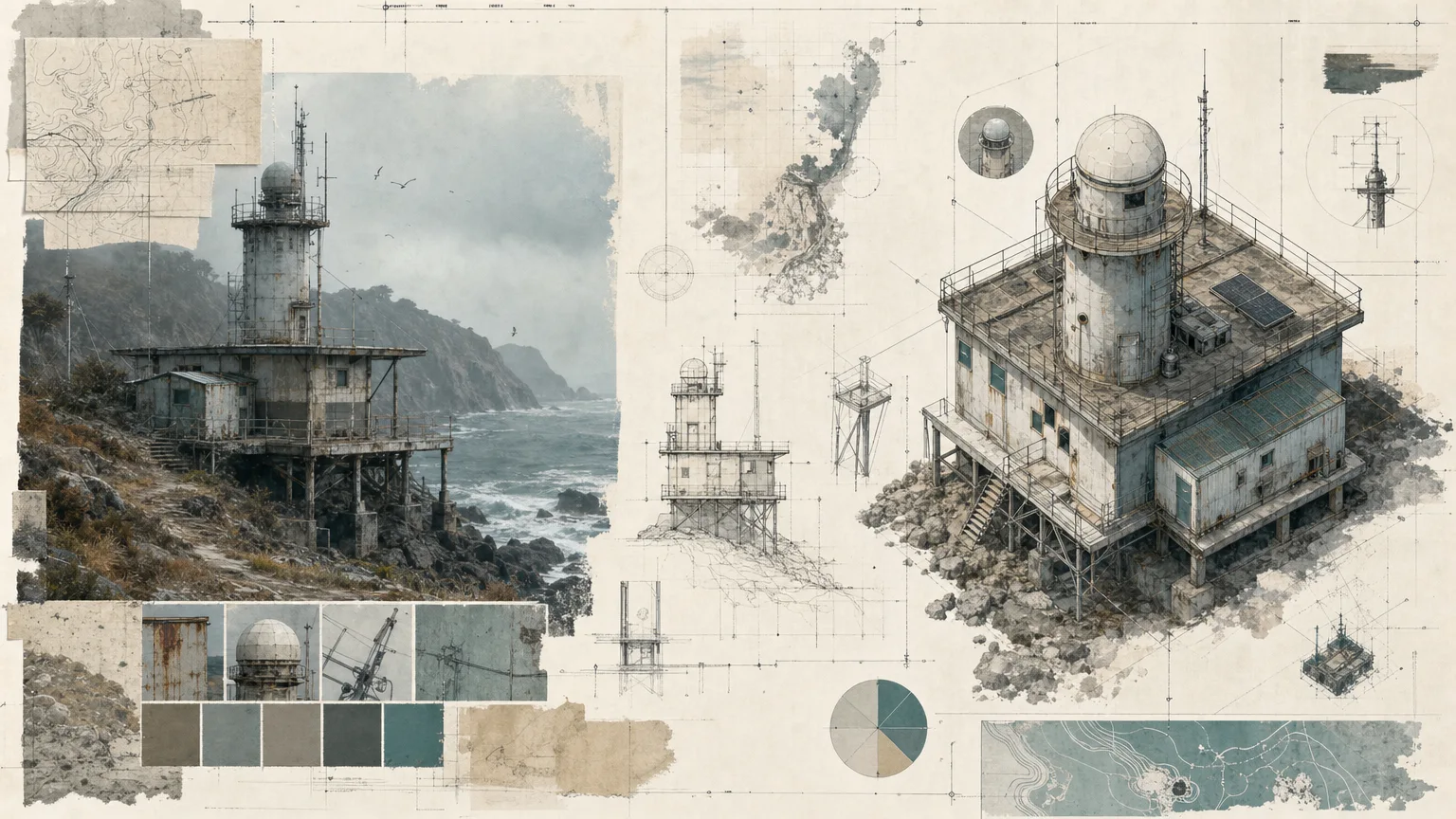
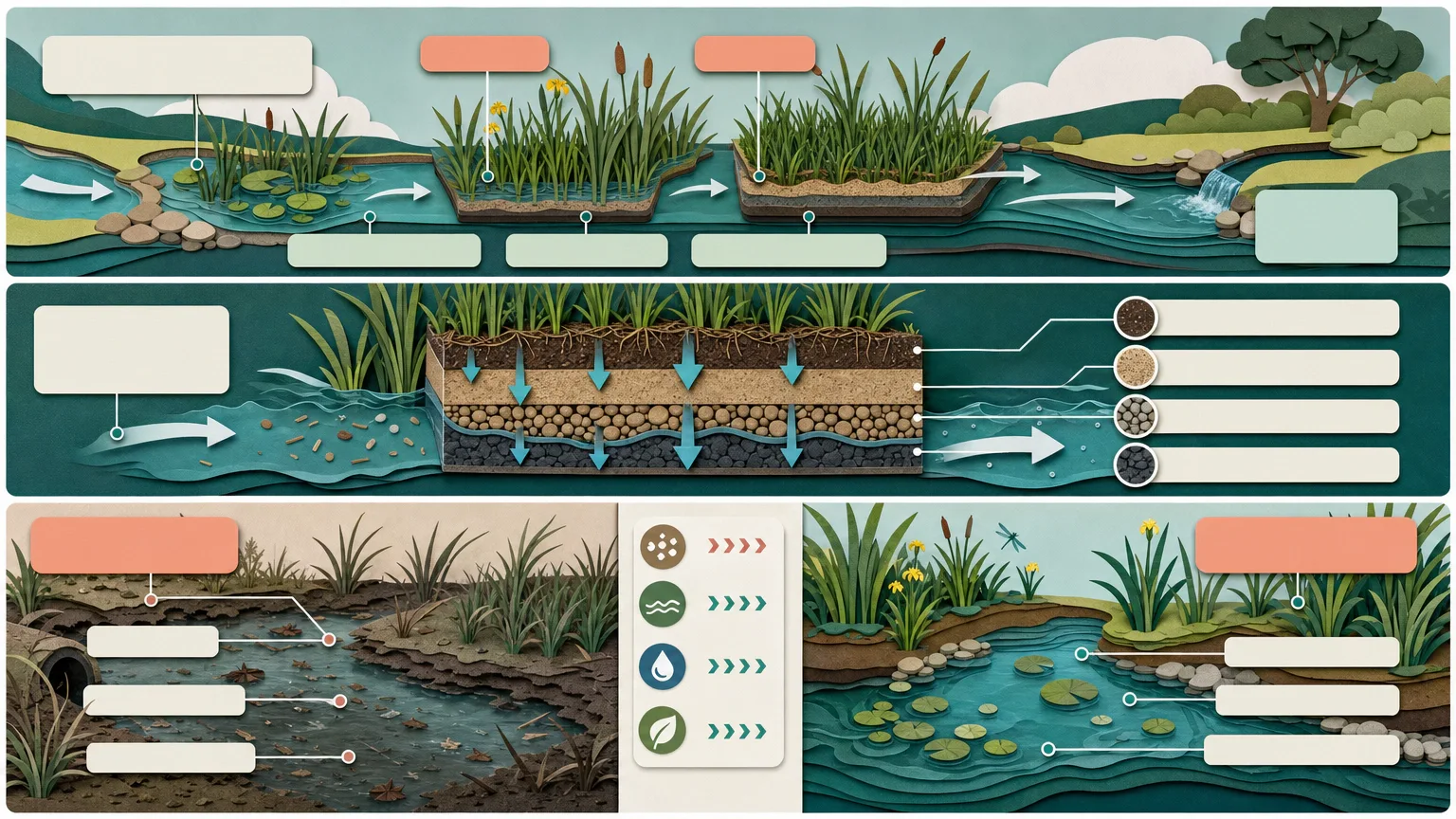
Make an abstract topic explorable through symbolic regions, routes, landmarks and milestones. Fantasy Concept Map creates three review directions from approved conceptual relationships, with exact names and symbols placed in a separate legend afterward. The geography is metaphorical; its routes should explain the topic rather than invent dependencies or outcomes.
What you get
Three distinct 16:9 concept-map previews with original symbolic regions, routes and landmarks. The topic’s approved relationships, milestones and risks guide what connects, what separates and where a viewer’s attention should go.
A source ledger separating supplied concepts and facts, creative assumptions, rights constraints and unresolved questions. A reviewed brief specifies meaning, composition, palette/mood, continuity, exact exclusions and safe zones for later labels, with a named review owner.
A separate exact-label legend and any supporting notes applied through a deterministic overlay, with labelled inline SVG symbols where functional cues are useful. Generated fantasy lettering, source-platform branding or decorative glyphs do not replace the approved terminology.
Exactly three final 16:9 WebP review files with open issues recorded. The bundled FAL script requests three 1536×864 high-quality PNG variants from one prompt. It does not enforce conceptual route meaning, create the legend or convert PNG to WebP; those steps and actual ratio/distinctness checks complete the delivery.
Workflow instructions, a short brief contract, SVG icon reference and generation wrapper with saved request state. The output is symbolic raster artwork, not a navigable geographic map, live roadmap or automatically validated knowledge graph.
Before you choose
Ask what each path means before judging whether the landscape is attractive. A viewer should be able to connect a region, landmark and route to the approved concept and legend; remove picturesque details that imply a relationship the source does not support.
Good fit
An editor wants an original metaphorical map to explain approved ideas, stages or relationships.
A publisher needs a coherent exploration-map visual system while giving each topic its own regions and landmarks.
A creator can review conceptual meaning, intellectual-property constraints and exact legend terms before publication.
Reusing branded fantasy worlds, protected characters, source watermarks or uncleared reference compositions.
Replacing subject, rights, accessibility or final human review, or treating metaphorical routes as verified real-world navigation.
How to use
You say/fantasy-concept-map Turn the topic I provide into an original symbolic exploration map with regions, routes, landmarks and a separate exact-label legend.
Provide the approved topic and conceptual regions, relationships/routes, milestones and risks, exact legend labels/symbols, mood, 16:9 requirement and intellectual-property restrictions. Confirm the audience/use and review owner.
Build a ledger of supplied meaning, assumptions, rights and pending items. Map each region or landmark to a concept and each route to a stated relationship; keep risk and milestone meanings distinct. Review a fresh English brief with a coherent exploration composition and blank zones for exact labels before payment.
Use Node.js 20 or newer, FAL and FAL_KEY from the environment. Submit one approved paid task for three high-quality 1536×864 PNG variants. The generator’s dimensions are fixed, and one shared prompt does not ensure each result contains the approved region/route system.
Keep provider-task.json. With a saved request ID and unchanged prompt/output directory, resume that request rather than buying a replacement; recorded failed tasks are blocked from automatic resubmission. Lost submit responses or failed record writes need manual provider-history review before retrying because persistence follows the response. Preserve approved images separately from overwriteable download paths.
Inspect all three maps against the ledger. Trace routes between the intended concepts, check milestone/risk placement and reject decorative connections that imply unsupported logic. Check actual ratio, distinction, reading order and absence of unwanted text, source identity, logos or watermarks.
Add the exact legend, labels and any evidence notes with a deterministic tool, using restrained labelled inline SVG for functional symbols. Convert and verify the required WebP files, return exactly three review directions and record unresolved issues. Keep the named subject, rights, accessibility and delivery reviewer’s role explicit.
Requirements and costs
You bring
Approved topic and conceptual regions · Relationships, routes, milestones, and risks · Exact legend labels and symbols · 16:9 ratio, illustration mood, and intellectual-property constraints
Image generation uses one paid FAL task for three directions. Review the brief before submission; a failed task is never retried automatically.
Publisher testing
v1.0.0 — Claude Code / Claude Desktop / Cowork / Codex / ChatGPT
FAQ
The workflow develops a new concept structure, brief and visual system from your topic. It excludes source branding, protected characters, watermarks and unlicensed reference expression. Human inspection and permissions review still matter; originality is not established merely by submitting a prompt.
They stay explicitly pending in the source ledger rather than being filled with plausible guesses. A creative landmark can be invented as a metaphor, but it must not silently introduce a factual dependency, milestone, owner or permission.
Three distinct 16:9 WebP concept-map review images, with exact legend text applied afterward and unresolved issues recorded. The paid FAL wrapper starts with three PNG variants at 1536×864; conceptual checks, annotation and conversion are separate steps. FAL_KEY and Node.js 20+ are required, and no navigation or knowledge-graph service is supplied.
User reviews
—0 reviews
Select a star to share your experience.
No reviews yet. Ratings appear once readers share real experiences.