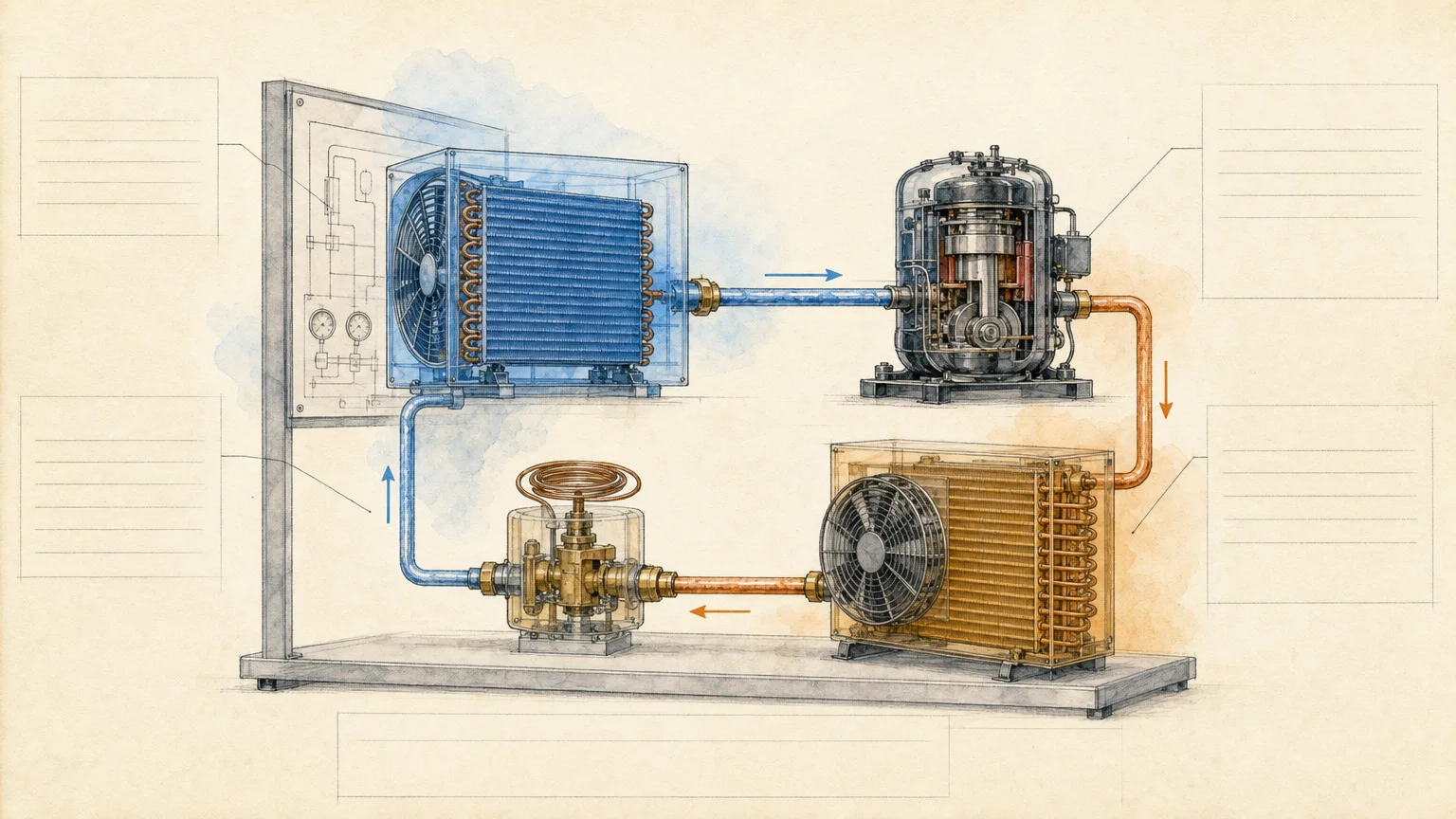
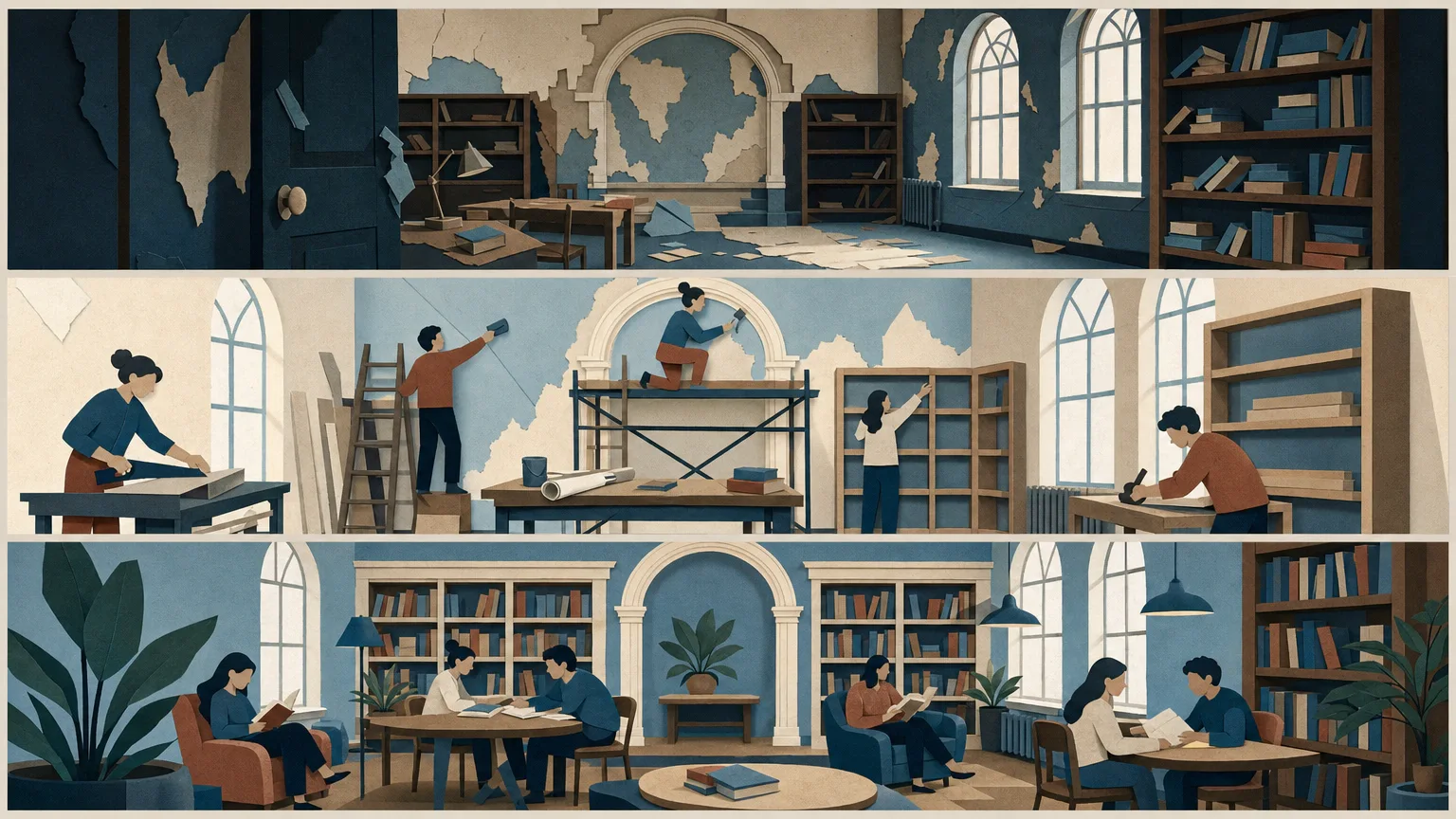
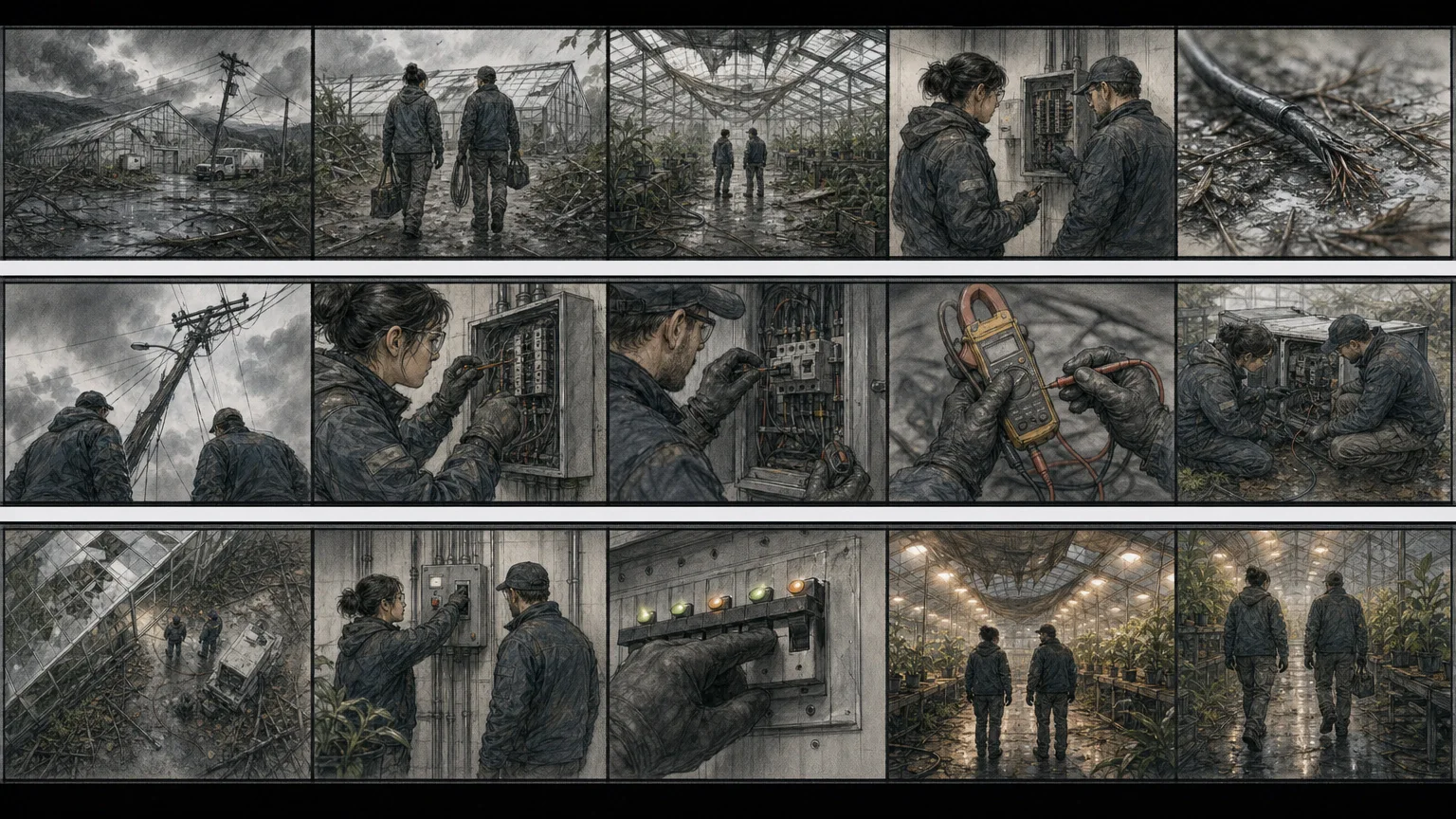
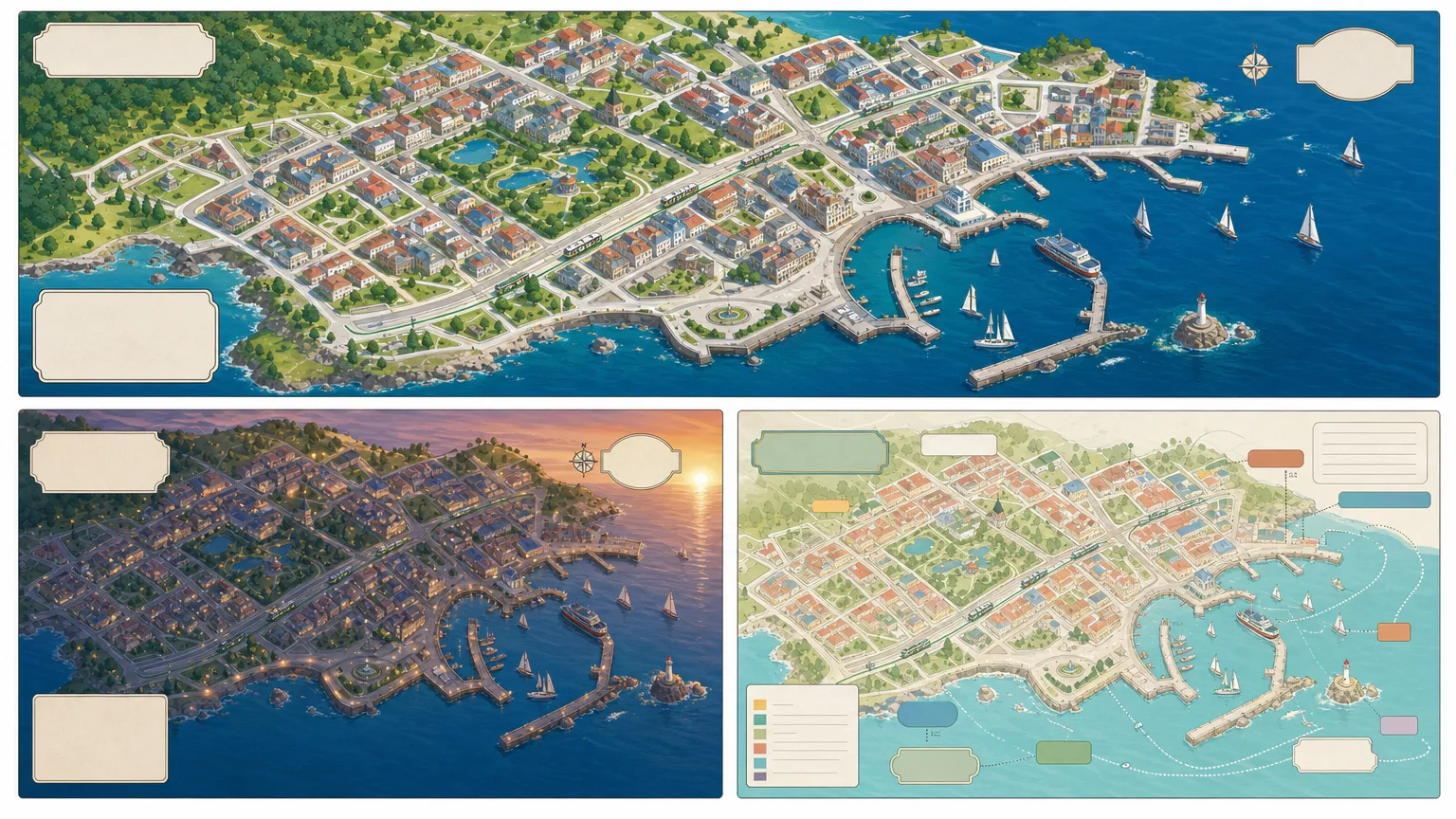
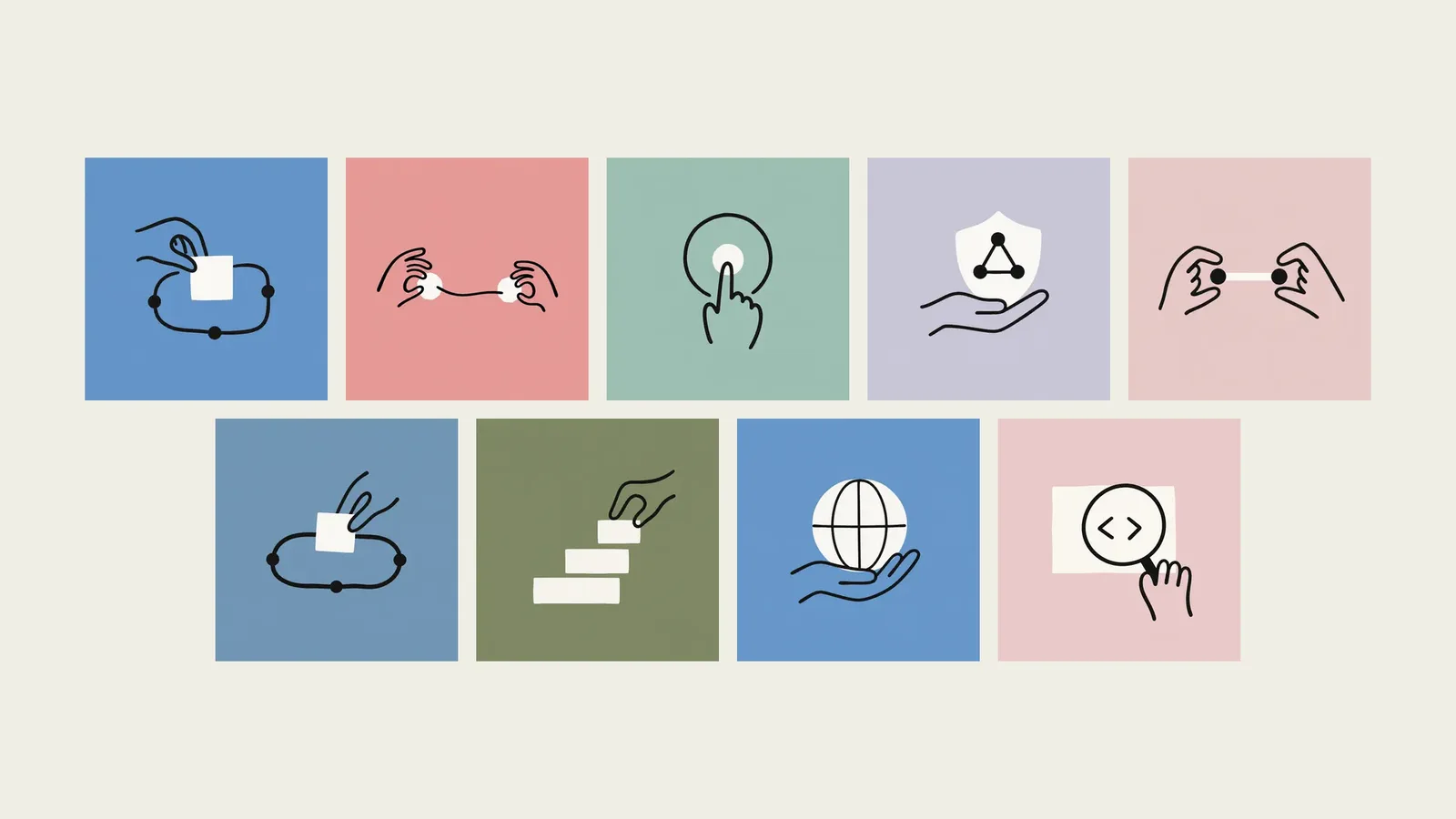
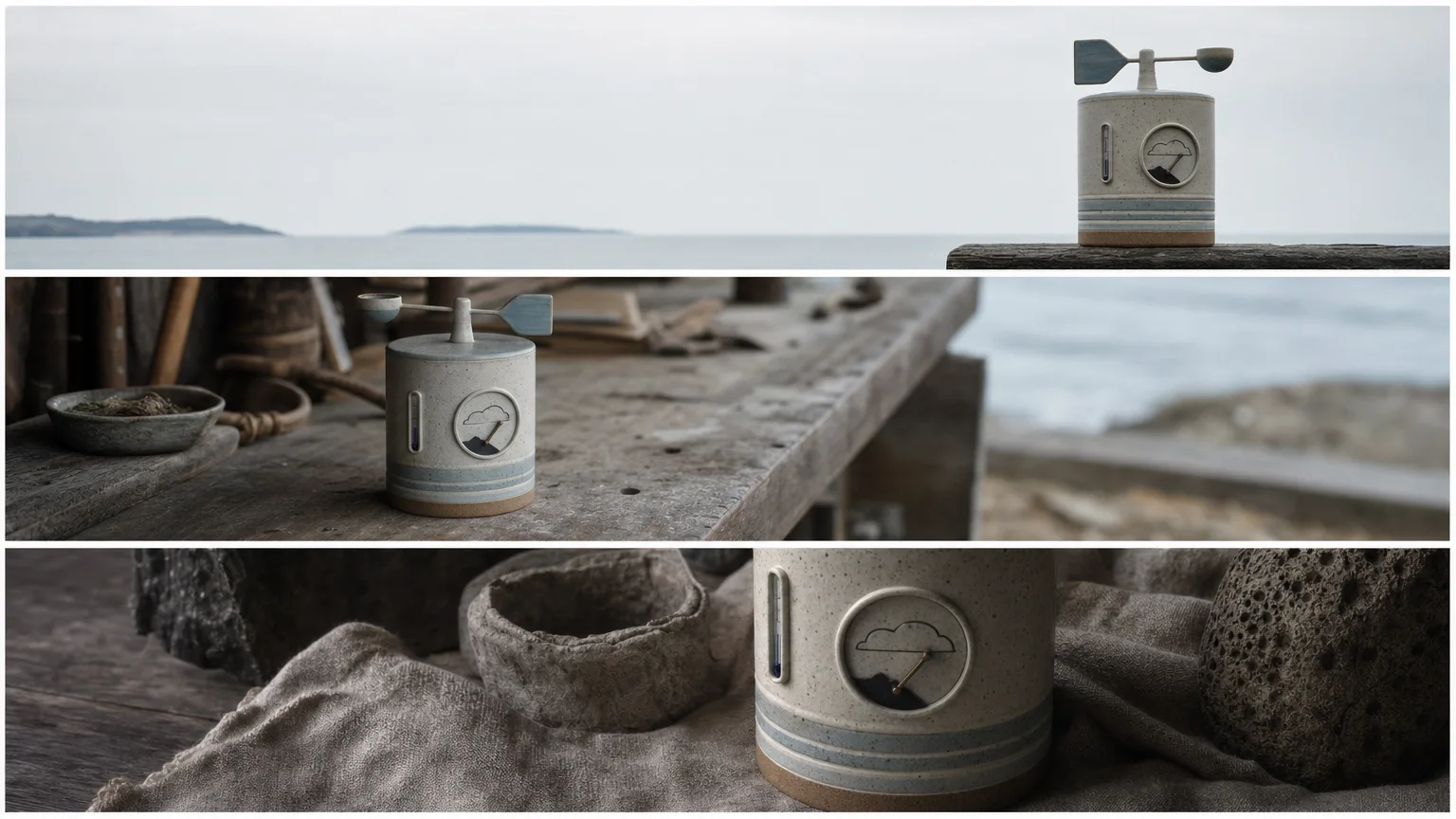
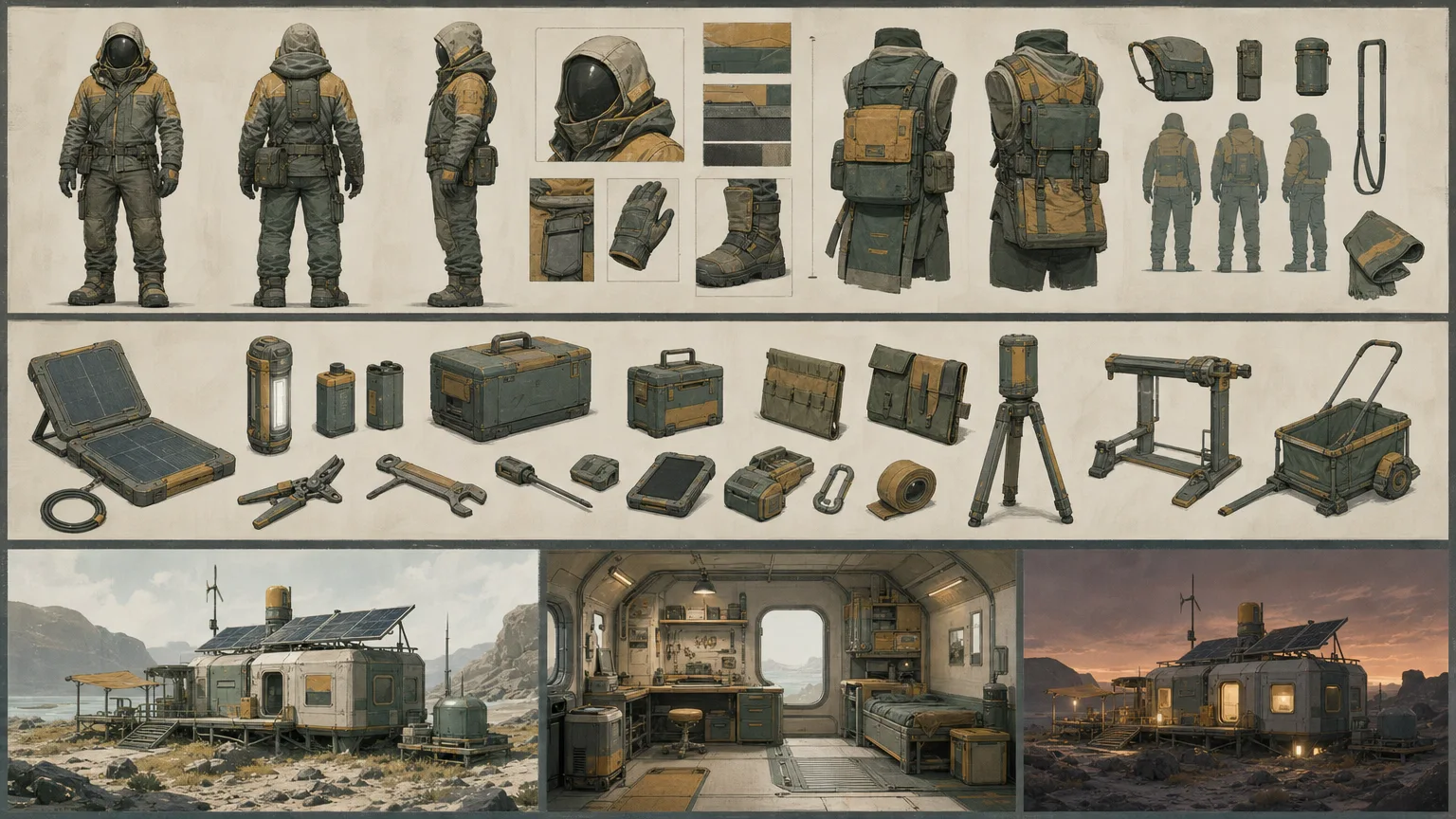
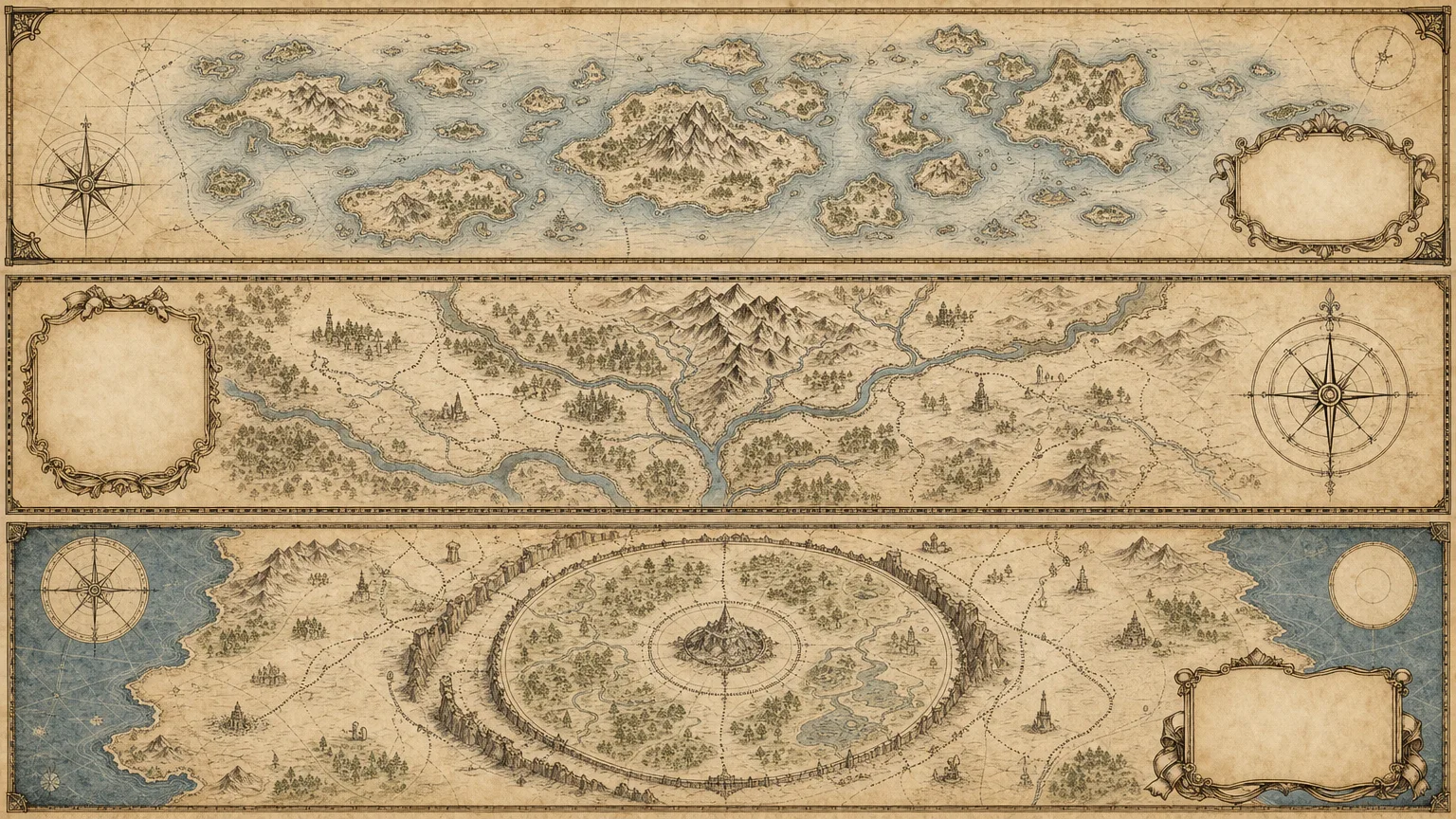
Give an idea-led article one visual argument rather than a collage of its nouns. Allegorical Engraving Cover develops a concrete object and an impossible transformation into an original, text-free black-ink scene. You approve the article reading, metaphor and final production brief separately before one paid cover is generated.
What you get
Three distinct review stages: an editorial reading with subject, thesis, emotional register and visual anchors; a visual argument with hero, transformation, supporting signs and setting; then the complete English render brief and exclusions. Each stage can be revised before moving on, and a materially changed article or concept invalidates the corresponding later approvals.
One coherent allegory with a dominant drawable object, one surreal physical change and two or three supporting signs. Choose an immersive environment, shared ground-stage, figure within landscape, dominant close-up or meaningful void according to the thesis. No more than three primary forms should compete for attention.
One original WebP cover per approved task, defaulting to 1280×720 and always exact landscape 16:9. Asymmetric framing and at least two continuity cues connect foreground, middle ground and background across the center; meaningful imagery spans roughly 80 percent or more of the width instead of stopping at a blank half-panel.
A monochrome printmaking treatment using contour-following hatching, crosshatching and stippling. Apparent middle tones come from line density and visible paper, not smooth gray washes. Any large black mass has a scene role, such as a tunnel, sky or cavity, and enough surrounding geometry to make its depth legible.
The saved image, exact approved prompt, persistent task record/request ID where available, QA note and a one- or two-sentence explanation connecting the object’s transformation to the article’s claim. The installation provides prompt/composition references and generation/format-check scripts; it does not contain a pre-generated cover for your article.
Before you choose
Before rendering, explain the proposed transformation in one plain sentence: it should make the article’s claim visible, not just decorate its topic. After rendering, test it without a headline. The object, its change and its connected environment should carry the argument on their own.
Good fit
An editor or writer wants a reflective, strategic or philosophical article to be recognizable through a strong metaphor at thumbnail size.
A newsletter or essay series needs consistent black-and-white cover grammar while giving each article a new composition and visual argument.
A user wants to control interpretation and production before paying, and is prepared to review the three stages rather than request an automatic one-shot render.
Not for
Color illustration, photography, continuous-tone gray painting, flat vectors, 3D, cartoon or painterly textures.
Exact imitation of a named creator, studio, living artist, known engraving, supplied composition, protected character or branded identity.
Model-rendered headlines, logos, signatures, pseudo-writing or dense copy; a split screen or artificial black copy panel; cute, gruesome, horror or aggressive advertising aesthetics.
How to use
You say/allegorical-engraving-cover Turn this essay about choosing your own priorities into a text-free 16:9 cover.
Provide the whole article or a sufficiently detailed draft. Optional context includes publication surface, desired mood, motifs to include/avoid and whether a headline area is actually needed. State the role of any supplied reference; a reference does not automatically become an edit target or permission to copy.
Review the editorial interpretation: one noun for the subject, one sentence for the thesis, one register such as contemplative, protective, enigmatic or defiant, and concrete visual anchors. Approve these before a picture concept is developed. Revising the article materially resets the whole approval sequence.
Review one visual argument: hero object, impossible transformation, two or three minor signs, one environment, viewpoint and movement. Require at least two scene connections through the middle and name the physical role of each major black region. Add quiet typography space only if requested, using actual sky, wall, water or ground, generally no more than a third of the frame. It must remain a complete image without a title.
Review the full English production brief, including exact 16:9 framing, a six-percent outer safety margin, ink/line logic, light, continuity and exclusions. The artwork contains no text or generated icons. Any functional badge/icon outside it uses deterministic inline SVG. Explicitly authorize one paid task after approving the brief; silence is not approval, and later concept changes require renewed review.
Keep Node.js 20 or newer and a FAL account with FAL_KEY available in the server-side environment. Save the approved prompt, then choose distinct, unused prompt/output/task paths. The supplied generator requests one WebP from its configured FAL endpoint; its default is 1280×720/high quality and it also supports a 2560×1440 size. Each new generation is separately billed.
Preserve the task record. The script writes submission intent before the request and stores the returned ID; an identical command/settings/path resumes that request. A timeout or interrupted download is not permission to buy another image. Failed or ambiguous submissions need manual provider-history review and explicit authorization before a replacement; an uncertain response cannot be made safely repeatable by deleting the record. Existing outputs must not be overwritten.
Run the supplied format validator, then inspect the actual image at full and thumbnail sizes. Check the thesis/metaphor, primary-form count, etched shadows, exact ratio, cross-center continuity, width coverage, black-region roles and absence of lettering. Reject straight seams, blank half-canvases, copied compositions and disconnected backgrounds. The script checks WebP dimensions and package text conventions; it cannot judge the metaphor or originality. Report a defect before seeking approval for another paid task.
Requirements and costs
You bring
Complete article text or a sufficiently detailed draft
Dependencies
FAL account and FAL_KEY - required · Node.js 20 or newer - required
Outside costs
Each approved cover generation submits one paid FAL image task.
Publisher testing
v1.0.0 — Claude Code / Claude Desktop / Cowork / Codex / ChatGPT
FAQ
The workflow uses historical engraving/etching vocabulary and broad spatial principles, removes creator/brand shortcuts and invents a fresh metaphor and composition. It forbids reconstruction of a known cover or supplied reference. Those instructions guide production; the delivered image still needs human inspection rather than an automatic guarantee of originality.
No. The generated artwork has no letters, numbers or logos and should already feel complete. If requested, a lower-detail area can be integrated into real scene space for typography added afterward. It is not an empty side panel or a rectangular black slab.
Yes. Approve the editorial reading, visual argument and final brief in order. Article changes reset all three stages; changing the object, metaphor or composition resets the argument and brief; changing only render wording resets the brief. The paid task begins only after explicit final authorization. A replacement render needs separate approval.
The bundled runtime requires FAL with FAL_KEY in the environment and Node.js 20 or newer. Each authorized task requests one cover and incurs the provider’s charge. Polling/resuming an existing request is distinct from submitting a new generation. Keep the prompt and task record, protect the credential and inspect provider history if the submission result is ambiguous.
User reviews
—0 reviews
Select a star to share your experience.
No reviews yet. Ratings appear once readers share real experiences.