Good fit
- An article needs an original sketchbook-like narrative illustration.
- A teaching or research story can be explained through a short visible sequence.
- A concept pitch benefits from raw expressive staging instead of polished illustration.
Previews from the publisher
Turn a short narrative into a sparse black-and-white sequence with one action and emotional change per panel. Raw Ink Storyboard uses rough open lines, irregular frames and generous negative space to make the beats readable. It creates three visual alternatives, with captions added separately rather than relying on generated small type.
Follow the emotional turn across the panels before judging the drawing finish. If two beats repeat or the reading direction is unclear, repair the sequence first. Roughness should make the staging expressive, not obscure who acts, what changes or why the next panel follows.
/raw-ink-storyboard Draw a six-panel story about a researcher realizing the missing control changes the result.Provide the short story/events, desired panel count, main subject/emotional turn and prohibited people, brands or symbols. Resolve missing factual or rights information rather than inventing claims to complete the narrative.
Assign one action and emotional change to each panel, then arrange irregular hand-drawn frames with a clear reading order. Use negative space to separate beats and silhouettes/line density to suggest depth, keeping the story understandable without realistic shading.
Write a fresh English brief for black open lines on off-white with no gray or color. Reserve speech/caption space, keep small text out of generation and exclude copied characters, source identities, watermarks and smooth vector effects. Review the prompt before the paid request.
Use Node.js 20 or newer, FAL and FAL_KEY in the environment. One paid task requests three high-quality 1536×864 PNG variants. The wrapper fixes those dimensions but does not enforce your panel count, emotional sequence or strict monochrome appearance.
Preserve provider-task.json and the approved prompt. After an ID is saved, resume with the same prompt/output directory rather than automatically replacing a recorded failure. Since persistence happens after the submit response, inspect provider history before retrying an uncertain response or failed write. Keep reviewed copies separate because downloads may overwrite matching files on resume.
Inspect all three results for actual 16:9 ratio, distinction, approved panel count, one clear beat per panel and unambiguous reading order. Reject repeated frames, broken anatomy, gray shading, gradients, decorative color, polished-vector drift or unwanted identities.
Add exact speech/captions and any necessary labels/citations with a deterministic layout tool. Use restrained labelled inline SVG only for functional surrounding cues, not emoji or glyph icons. Compare final wording and narrative relationships with the approved source before delivering the reviewed sequence.
The intended grammar is black ink on an off-white ground, without gray shading or decorative color. Space is suggested by silhouettes and line density. Inspect the generated alternatives: the wrapper does not automatically reject color or style drift.
Yes, set it before planning the narrative beats. The generation brief carries that count, but the wrapper checks three output images rather than counting panels. Review each actual board and reject an incorrect or unreadable sequence.
No. It builds an original sequence using broad rough-line and irregular-layout traits, not a named artist’s composition, characters or franchise. The actual output and references still need rights/originality review. FAL_KEY and Node.js 20+ support the paid three-variant request.
Select a star to share your experience.
No reviews yet. Ratings appear once readers share real experiences.


 +7
Use this Skill to create explainer graphics.
 +7
Use this Skill to create explainer graphics.
 +8
Use this Skill to create article illustrations.
 +7
Use this Skill to create explainer graphics.
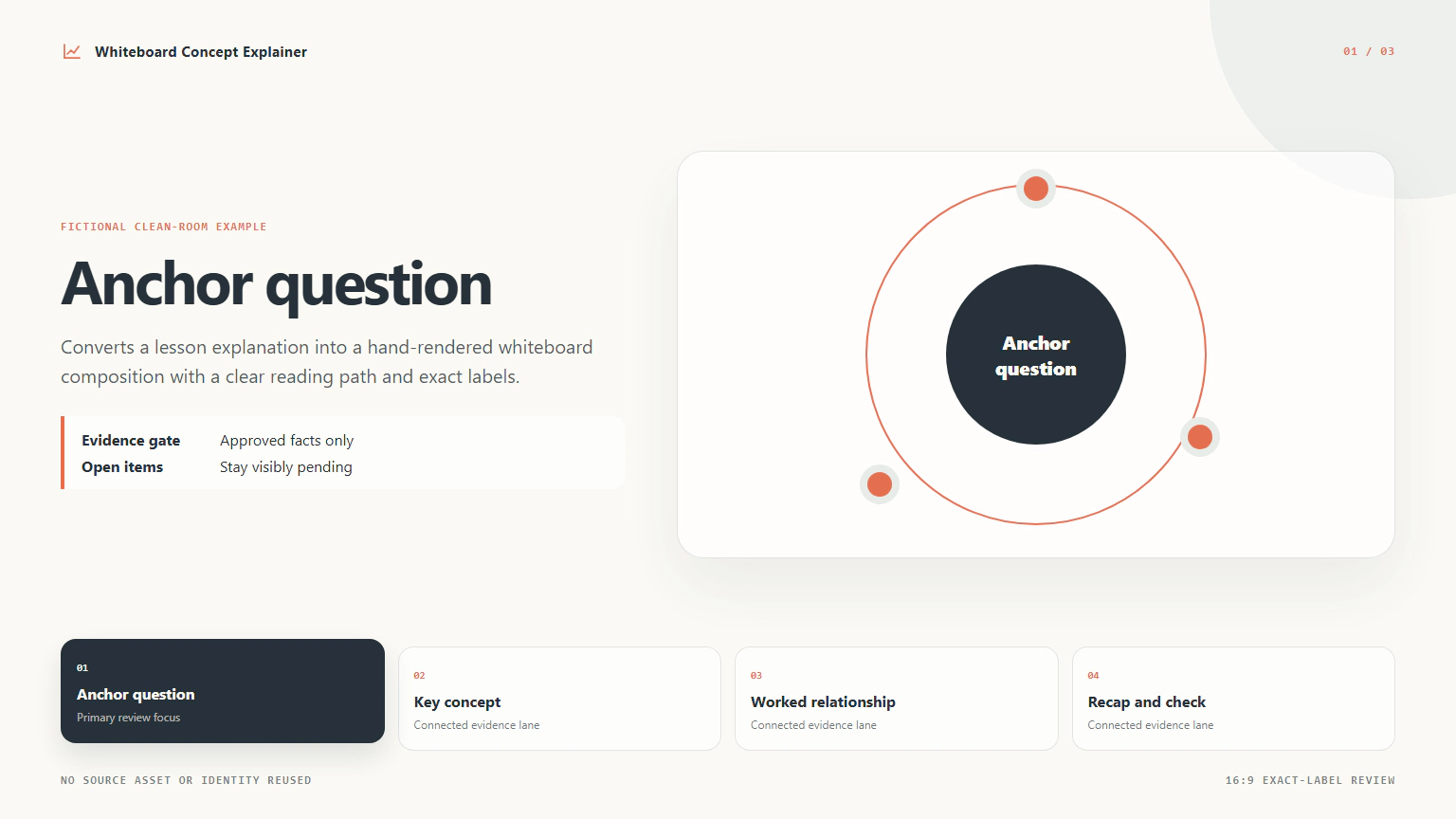 +7
Use this Skill to create explainer graphics.
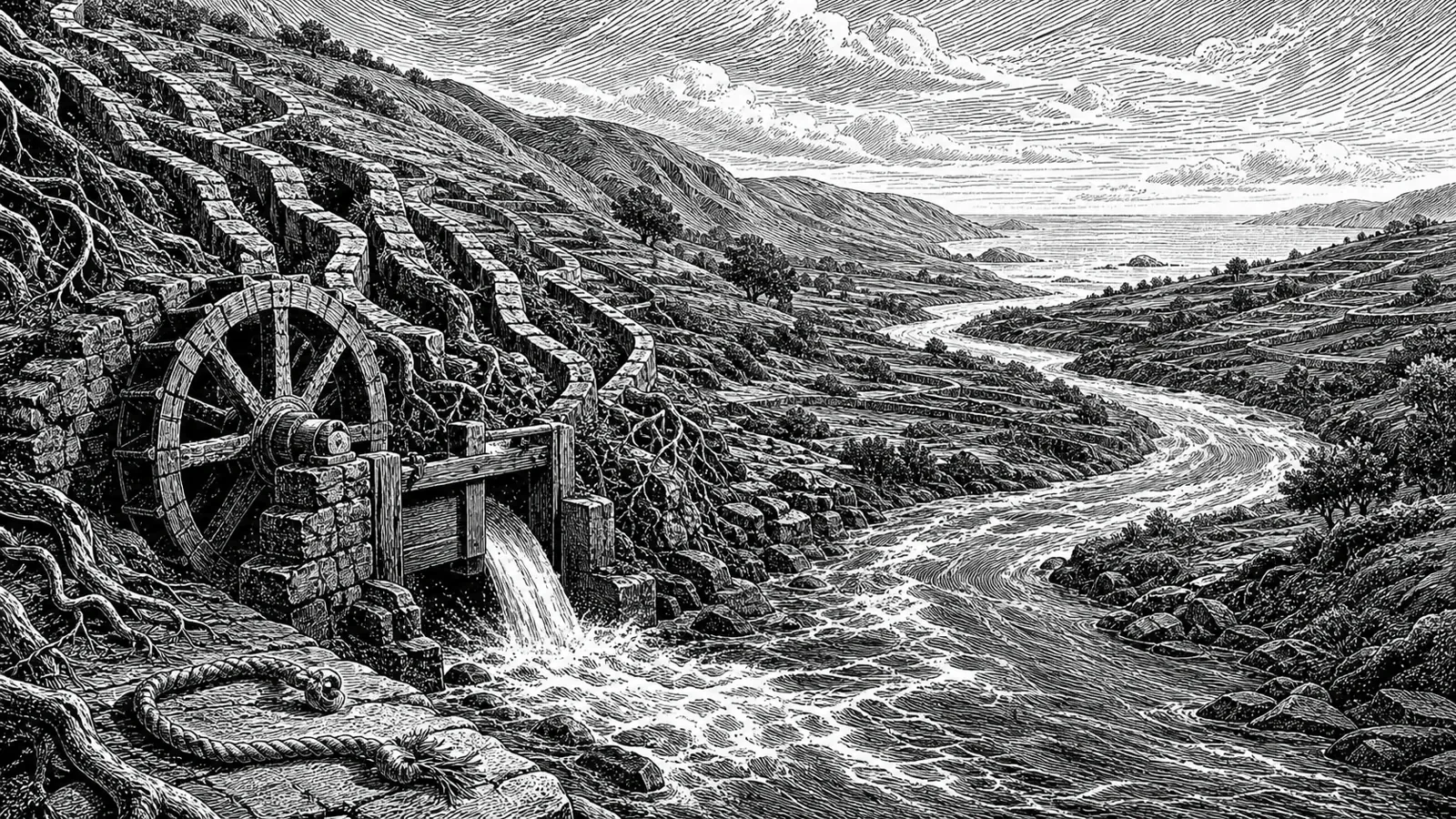 +7
Use this Skill to create article illustrations.
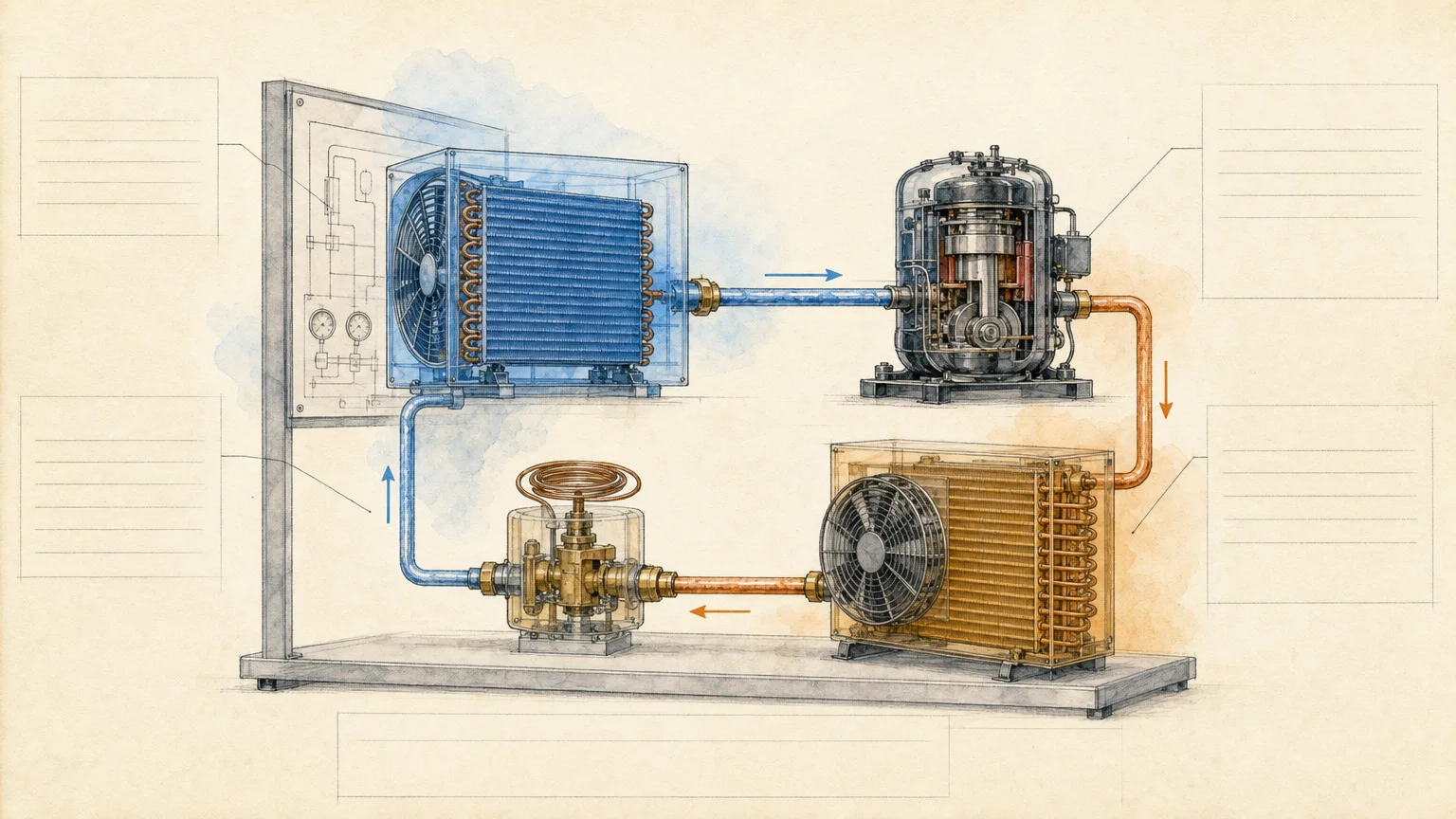 +7
Use this Skill to create article illustrations.
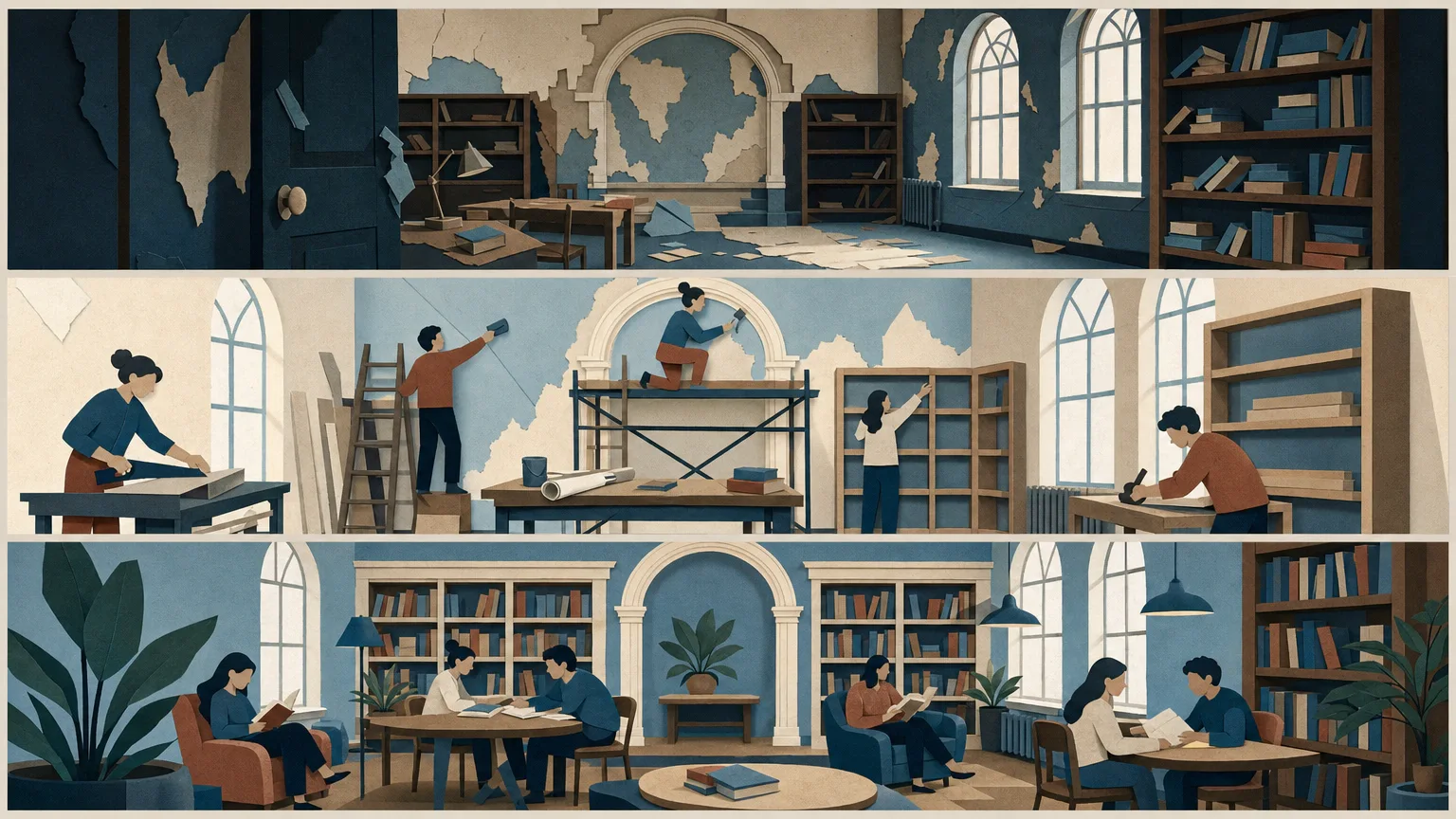 +7
Use this Skill to create article illustrations.