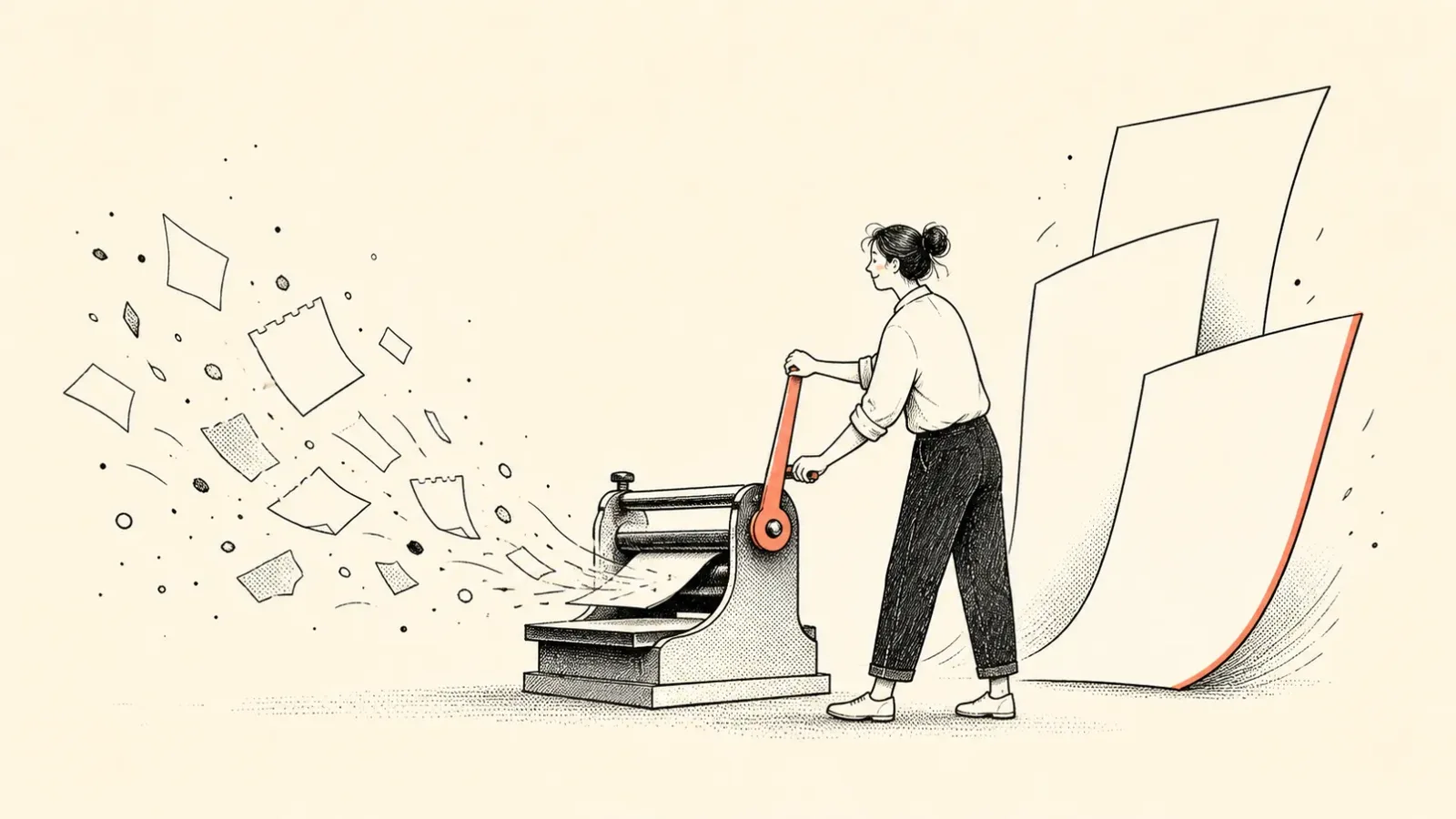
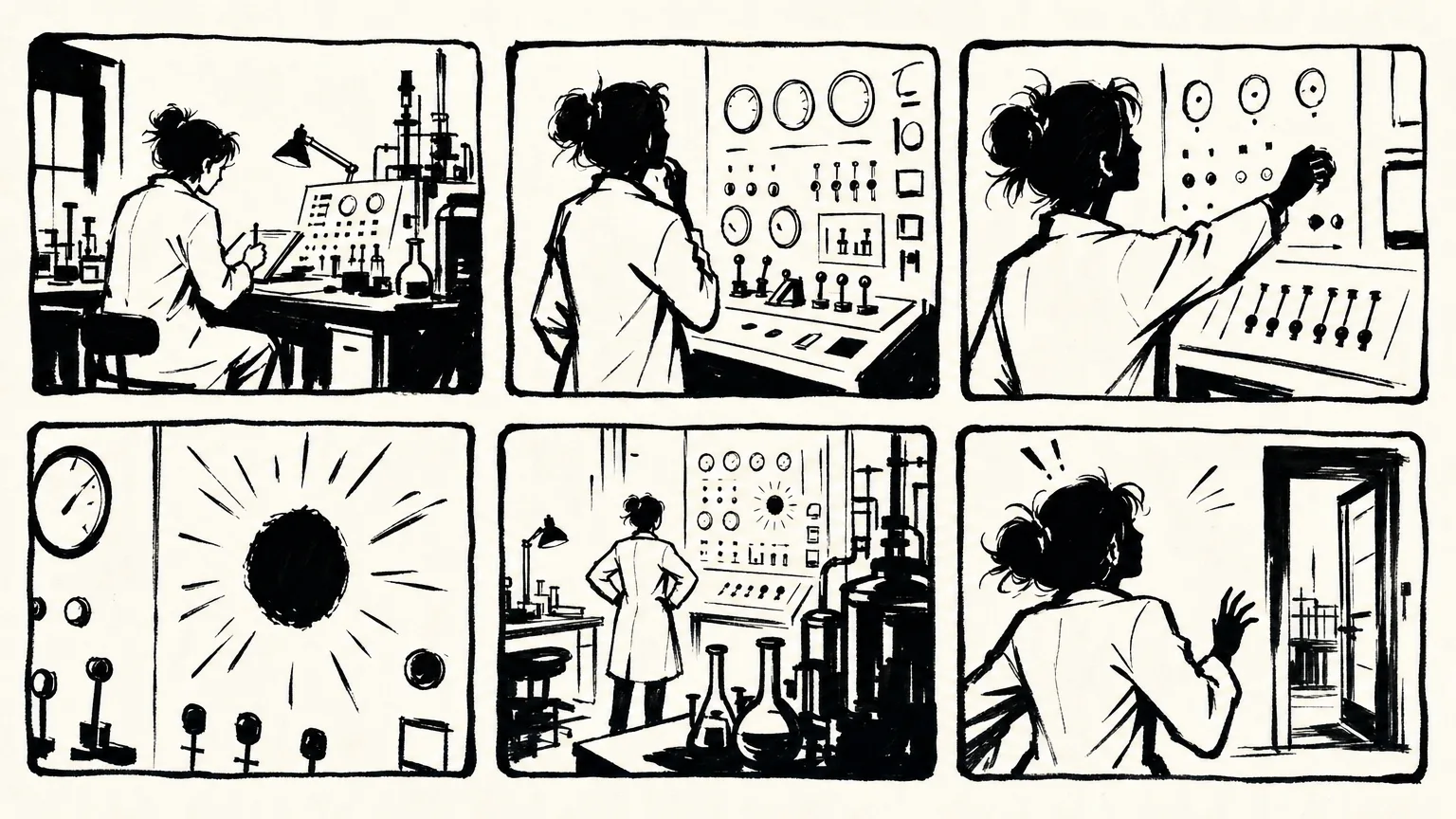
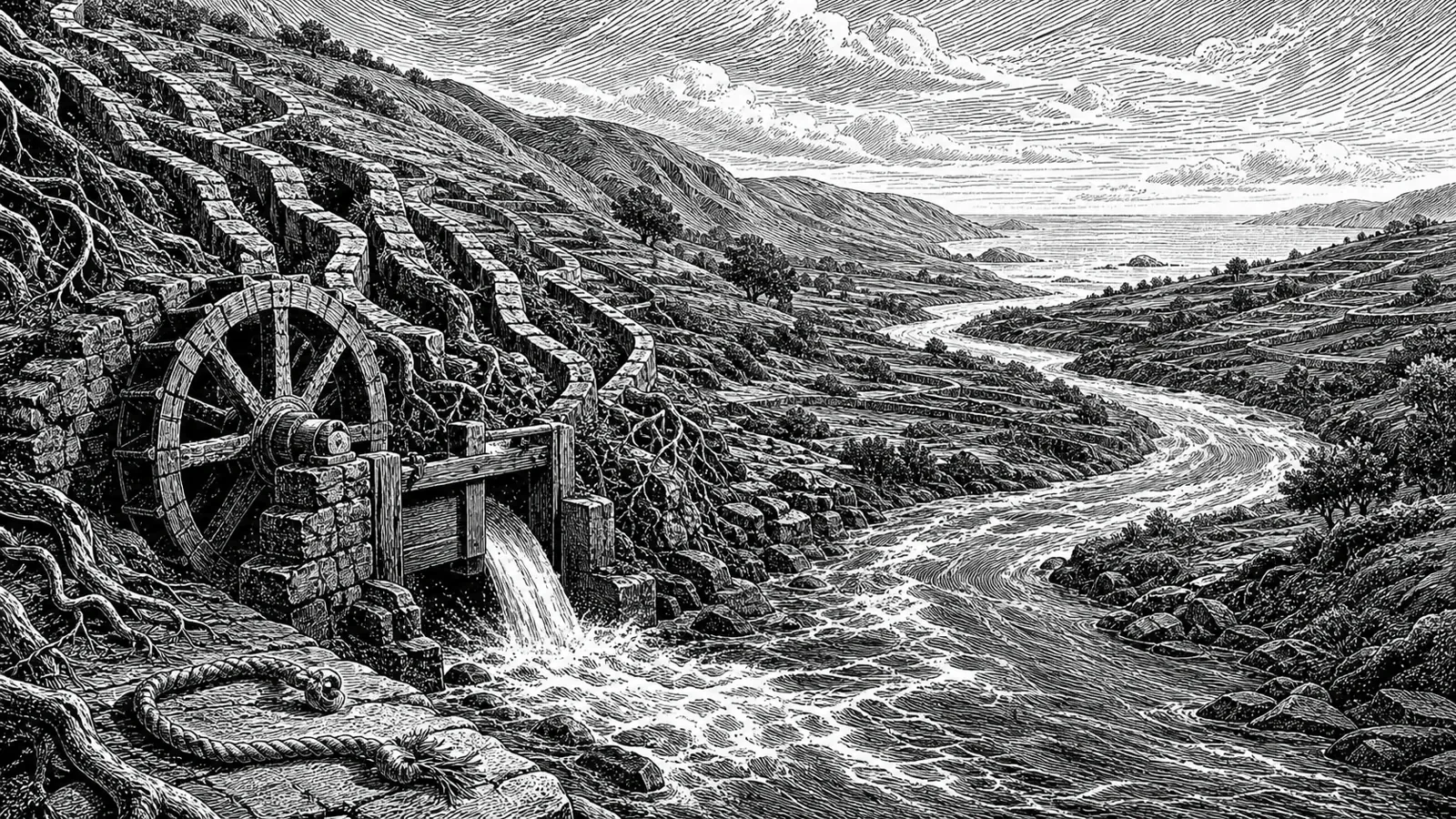
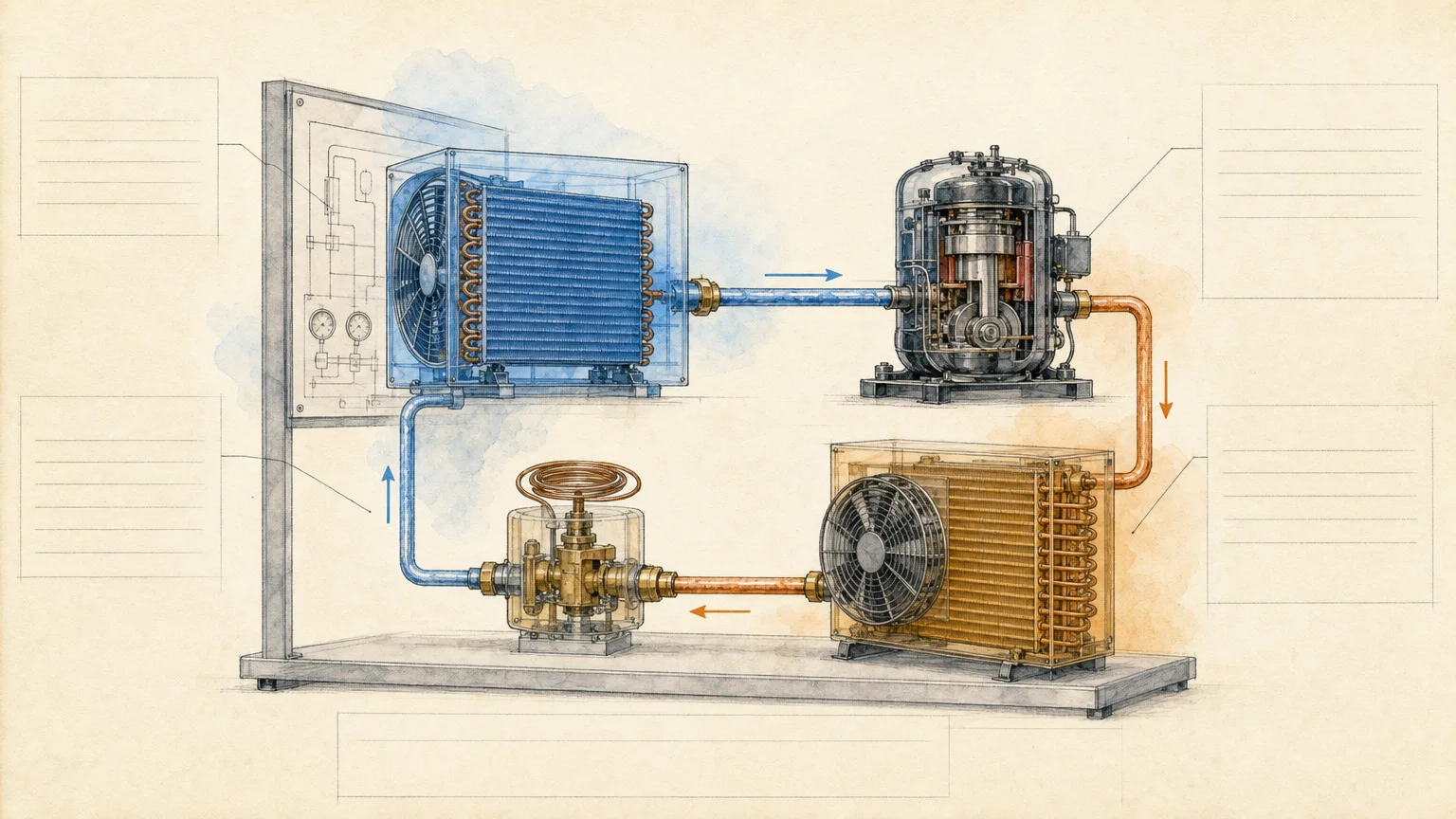
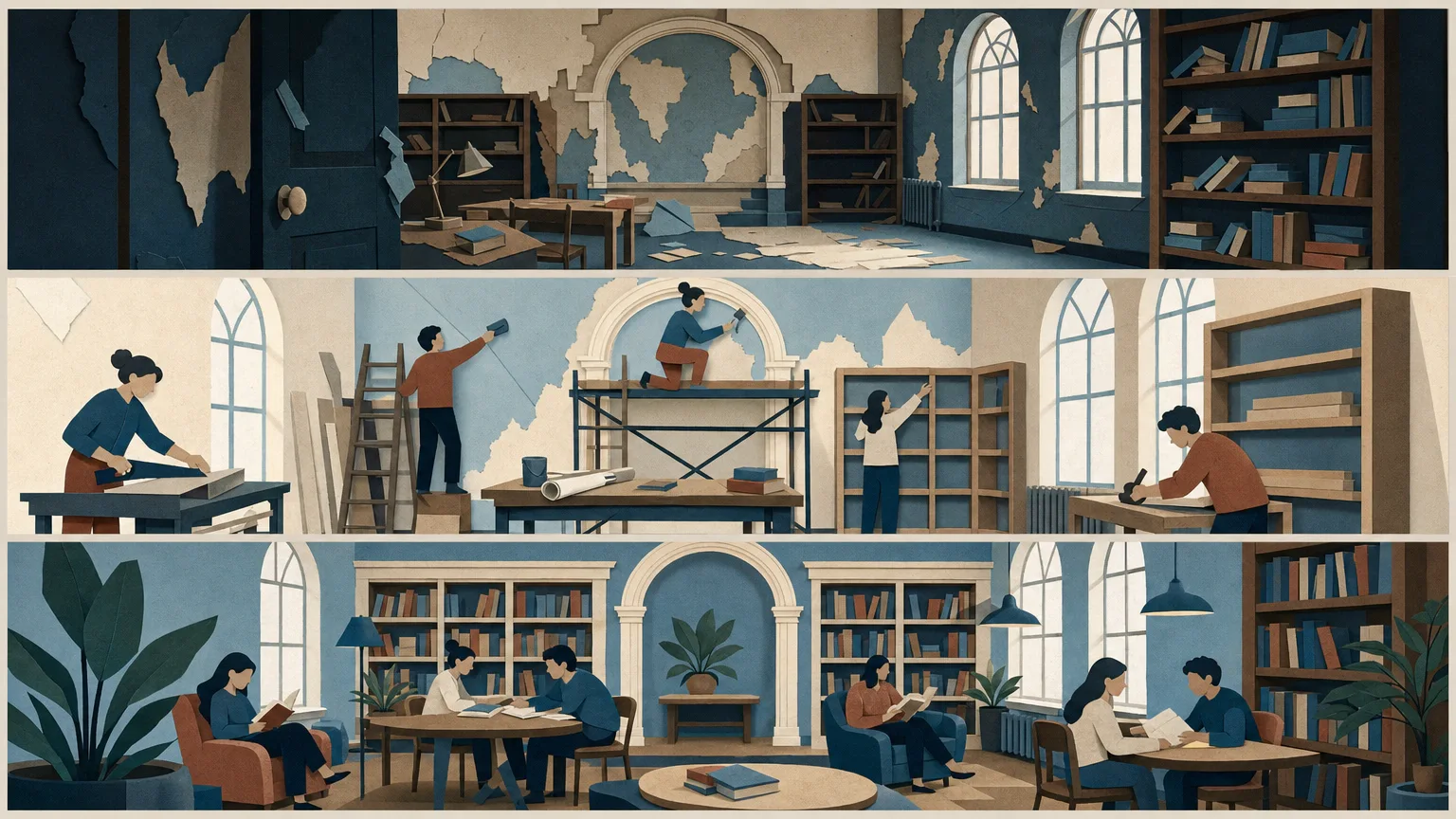
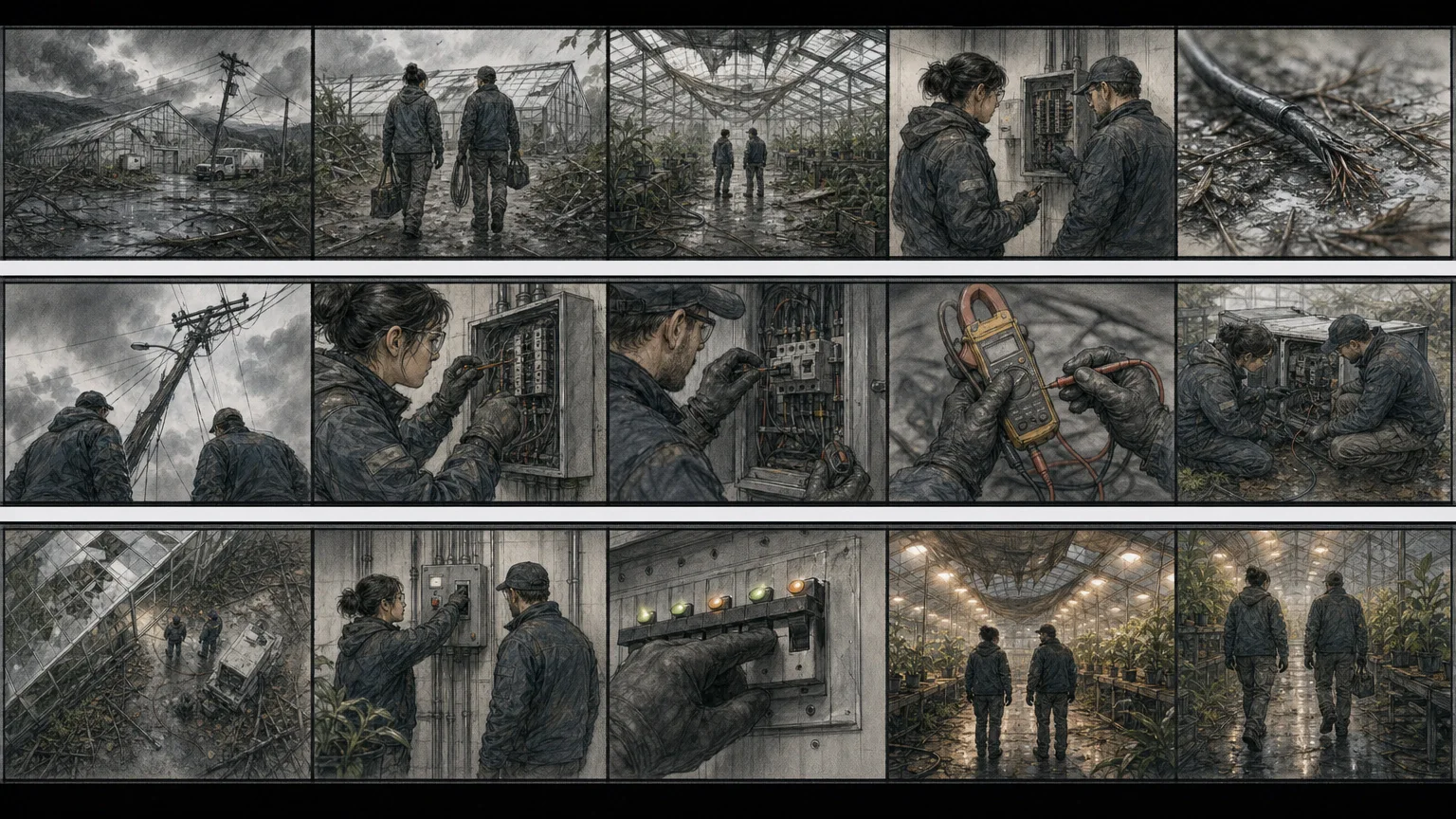
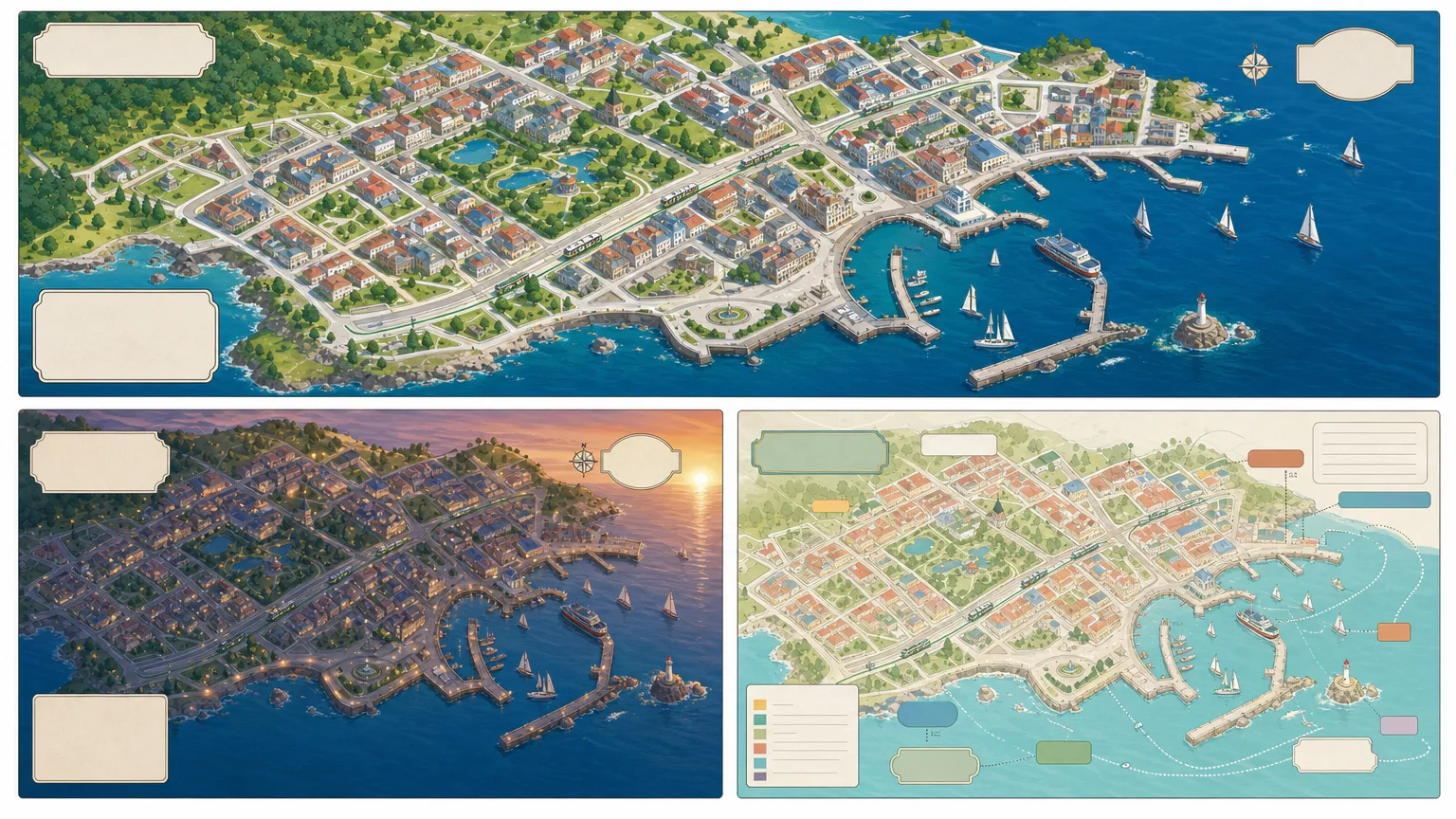
Explain one verified scientific process, comparison or classification through a layered paper-cut composition. Paper-Cut Science Explainer develops three review directions from an approved learning goal, while keeping exact terminology, units and citations outside the generated artwork until they can be typeset reliably.
What you get
Three distinct 16:9 science-explainer previews, each organized around the approved mechanism, sequence or classification and audience level. The paper-cut layers serve the conceptual relationships rather than adding unsupported stages or causal claims.
A source ledger separating supplied facts, assumptions, rights constraints and unresolved questions. A reviewed brief records the learning goal, meaning, composition, continuity, exclusions and prohibited implications, with a named final reviewer.
Clean zones for exact labels, units, citations and uncertainty notes, added afterward with a deterministic layout tool. Supporting functional symbols use labelled inline SVG rather than model-generated small text or decorative platform branding.
Exactly three final 16:9 WebP review files with unresolved issues recorded. The included FAL wrapper requests three high-quality 1536×864 PNG variants from one prompt; it does not verify scientific relationships or convert to WebP. Annotation, source comparison, actual dimensions and visual distinction remain production checks.
Workflow instructions, an image-brief contract, an SVG icon reference and a persistent-request generator. The artwork is a lesson aid, not independently validated scientific evidence, a complete course or an automated assessment system.
Before you choose
Ask which relationship each paper layer explains. If removing the decorative depth makes a process, comparison or classification clearer, simplify the image. The visual hierarchy should preserve the scientific distinction and its uncertainty, not make an unsupported mechanism seem established.
Good fit
A teacher has verified source material and needs a visible aid for one scientific lesson.
A course creator wants a bounded learning journey expressed through a process, comparison or classification.
A curriculum designer needs visual material to review sequence and support assessment planning, with a human checking its meaning.
Not for
Inventing facts, measurements, citations, owners, permissions or guarantees to fill a diagram.
Reusing source branding, watermarks, protected characters or unlicensed visual assets.
Replacing subject-matter, rights, accessibility or final human review, or treating a generated relationship as scientific proof.
How to use
You say/paper-cut-science-explainer Turn the verified scientific process, comparison or classification I provide into a layered paper-cut explainer.
Provide the approved scientific topic/learning goal, verified mechanism or sequence/classification, exact labels/units/citations/uncertainty notes and audience level. State prohibited implications, rights constraints, 16:9 use and the final reviewer.
Build the ledger before composing. Separate supported relationships from assumptions and pending questions, then review a new English brief that gives the layered forms an explanatory role. Reserve clean exact-copy zones; do not invent a missing stage or causal arrow for balance.
Use Node.js 20 or newer, FAL and FAL_KEY in the environment. One approved paid task requests three 1536×864 high-quality PNG variants from one prompt. The fixed request is not a scientific verifier or arbitrary-ratio workflow.
Preserve provider-task.json and the approved prompt. A saved ID resumes with the same prompt/output directory and recorded failed tasks are not automatically resubmitted. Since persistence follows the submit response, inspect provider history before retrying an uncertain response or failed write. Keep reviewed copies separately because resumed downloads can overwrite matching files.
Inspect all three alternatives against the ledger: mechanism direction, sequence/class membership, quantities and uncertainty must remain truthful. Check actual ratio, meaningful distinction, readability and absence of unwanted text, logos, identities or watermarks. The wrapper only checks returned count.
Add exact labels, units, citations and notes with a deterministic tool, using labelled inline SVG where useful. Convert and verify the final WebP files, deliver exactly three review directions and record open questions. Keep subject, rights, accessibility and final delivery decisions with the named reviewer.
Requirements and costs
You bring
Approved scientific topic and learning goal · Verified mechanism, sequence, or classification · Exact labels, units, citations, and uncertainty notes · Audience level, 16:9 composition, and prohibited implications
Image generation uses one paid FAL task for three directions. Review the brief before submission; a failed task is never retried automatically.
Publisher testing
v1.0.0 — Claude Code / Claude Desktop / Cowork / Codex / ChatGPT
FAQ
The intended workflow builds a new scientific brief, structure and visual system from your approved material. It excludes copied branding, watermarks, protected characters and unlicensed reference expression. Inspect the actual results and permissions; the production rules are not automatic rights clearance.
They remain explicitly pending in the ledger. The agent must not fill a missing mechanism, number, citation or permission with a plausible guess. Preserve qualifications that change the meaning of the lesson.
Three distinct 16:9 WebP review images with exact labels/evidence added later. The paid FAL wrapper starts with three PNG variants at 1536×864; source/visual review, deterministic text and conversion complete the job. FAL_KEY and Node.js 20+ are required. It does not validate the science or provide a complete course.
User reviews
—0 reviews
Select a star to share your experience.
No reviews yet. Ratings appear once readers share real experiences.