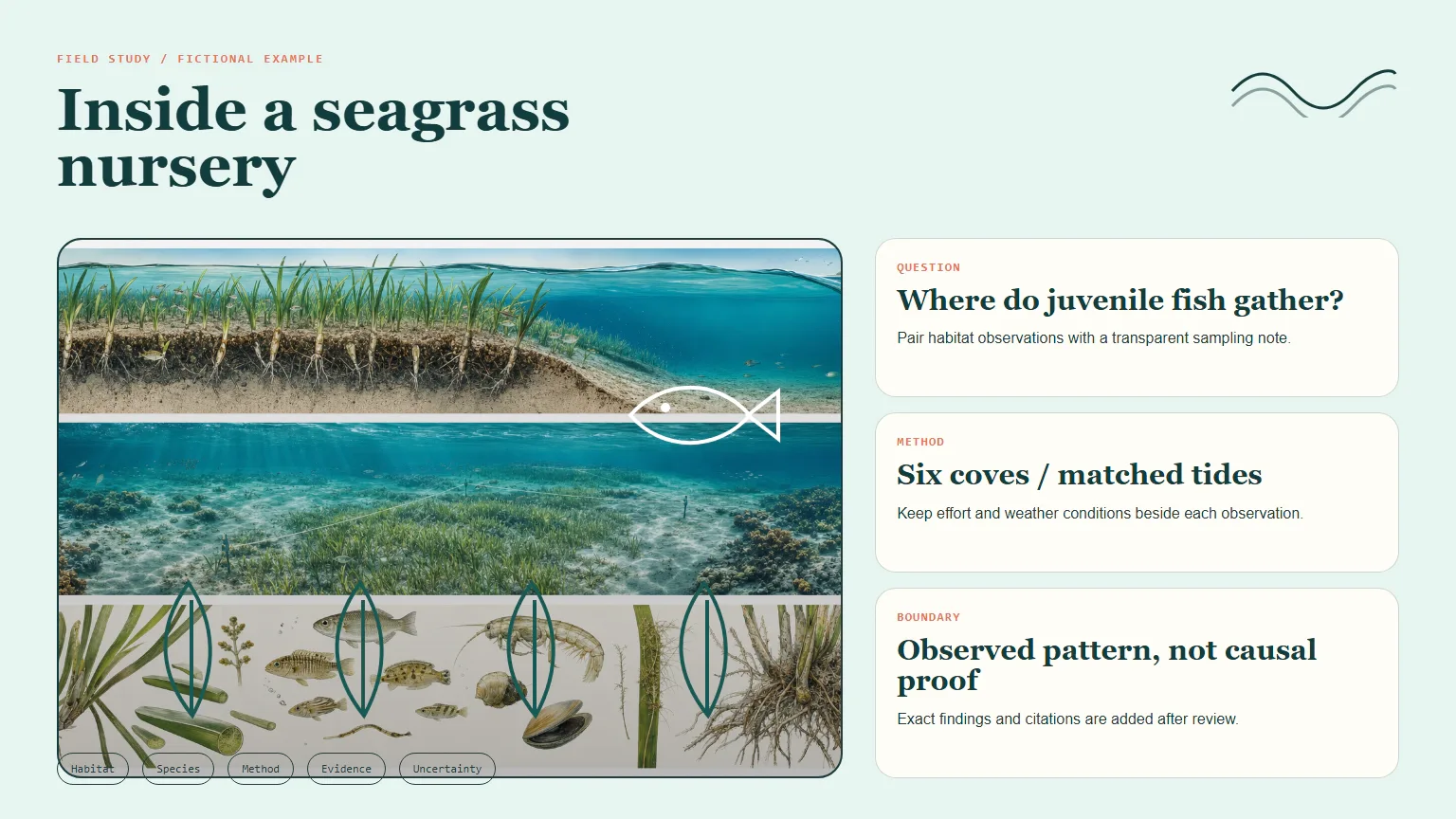
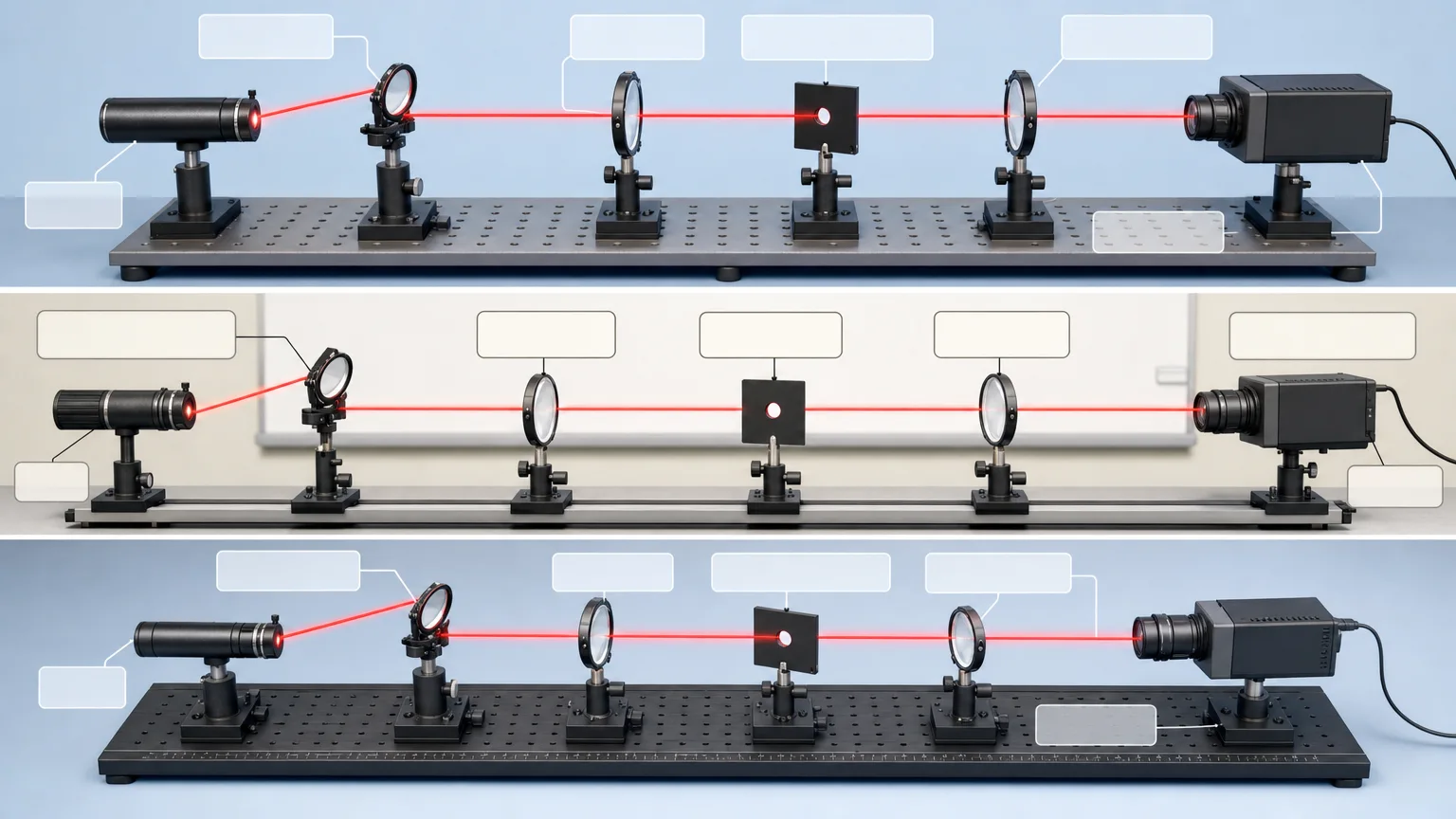
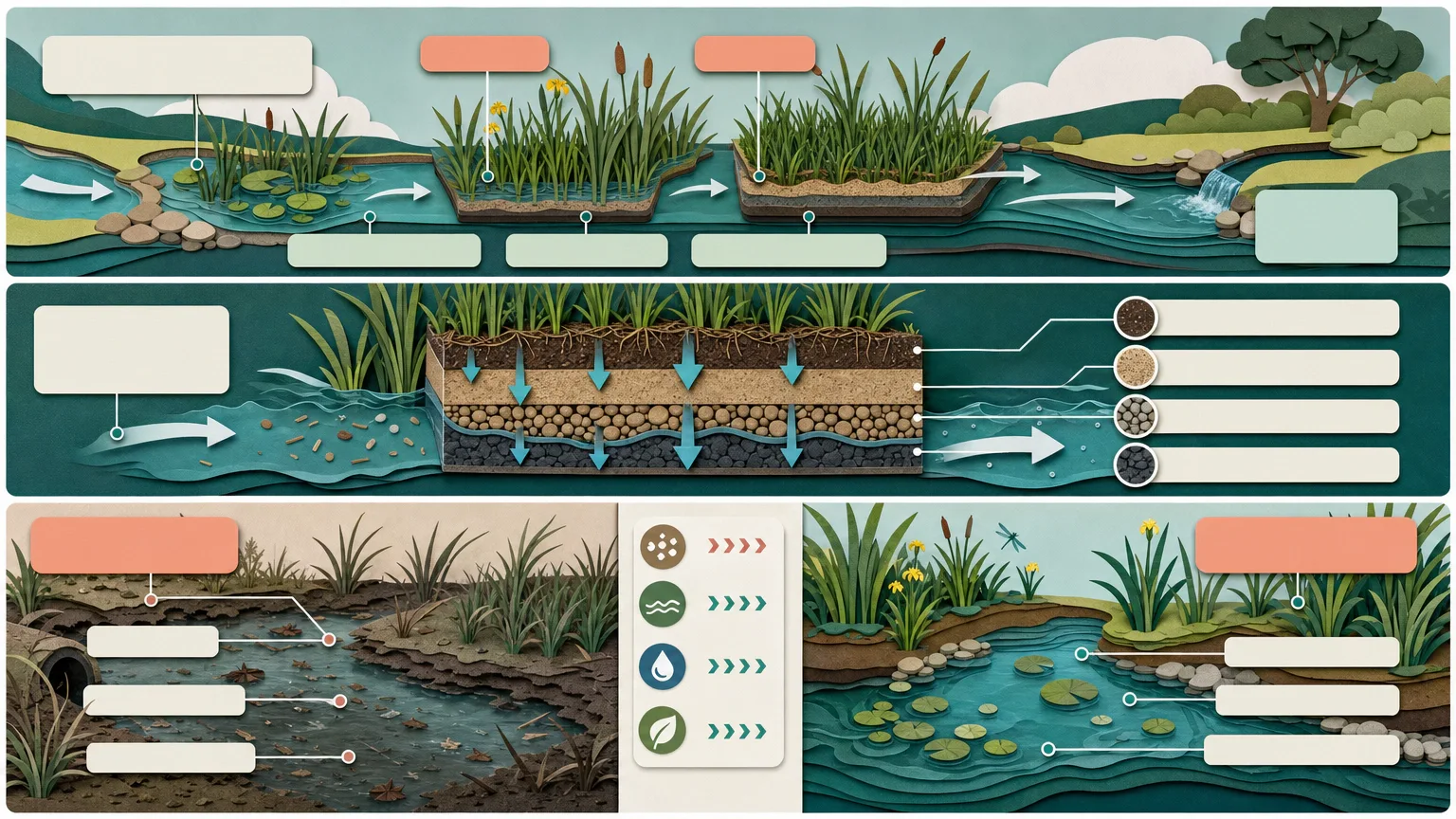
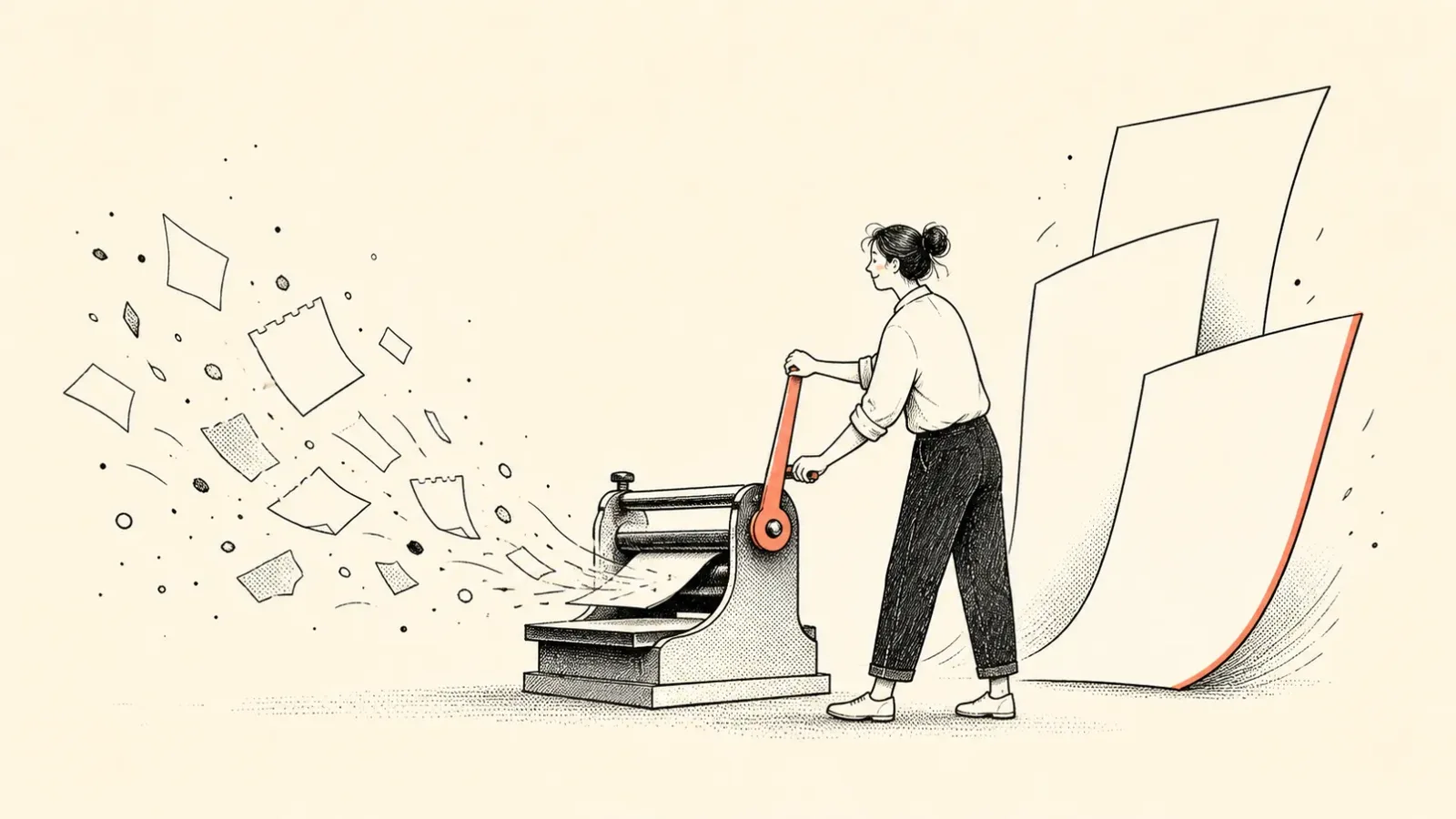
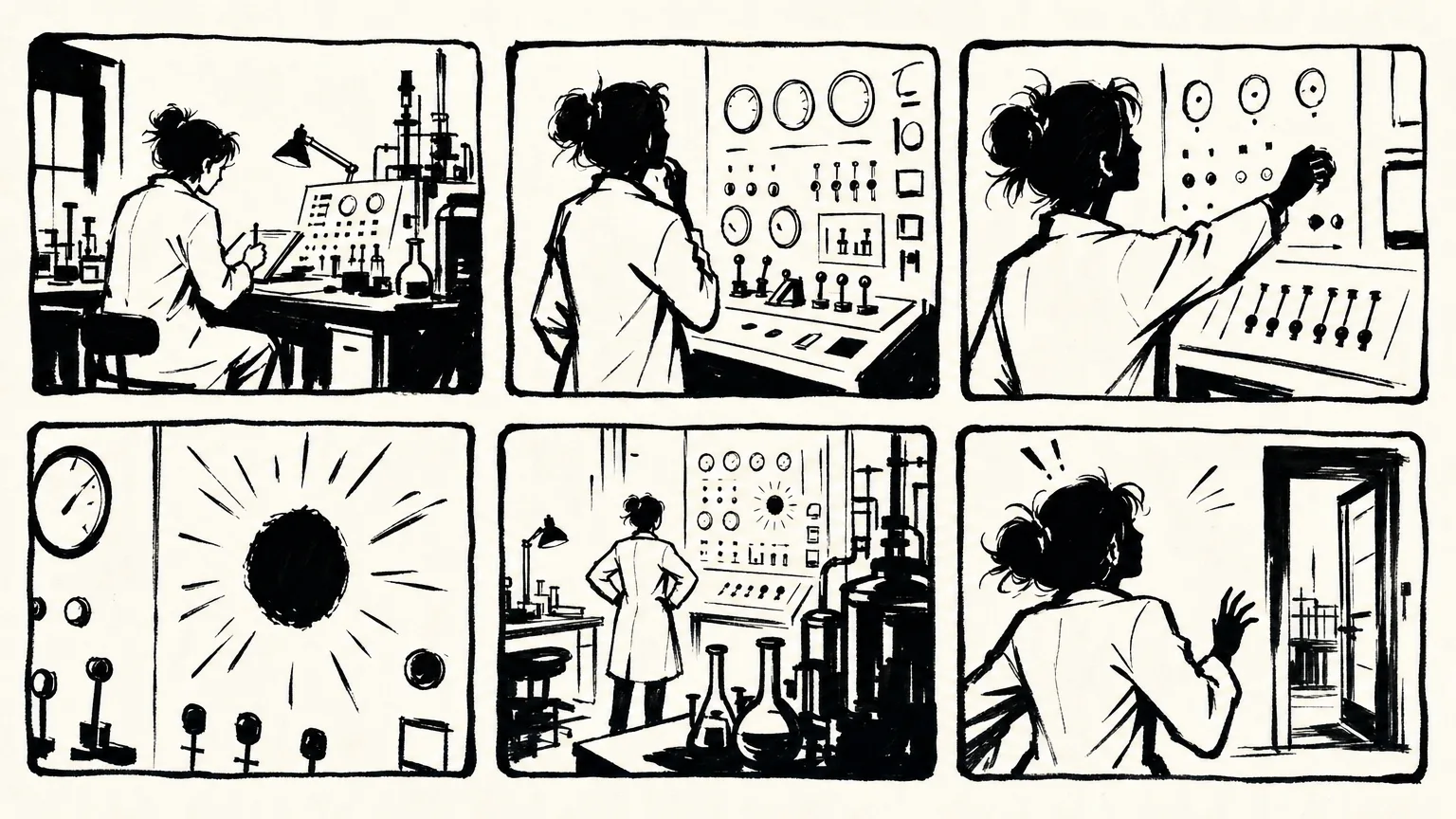
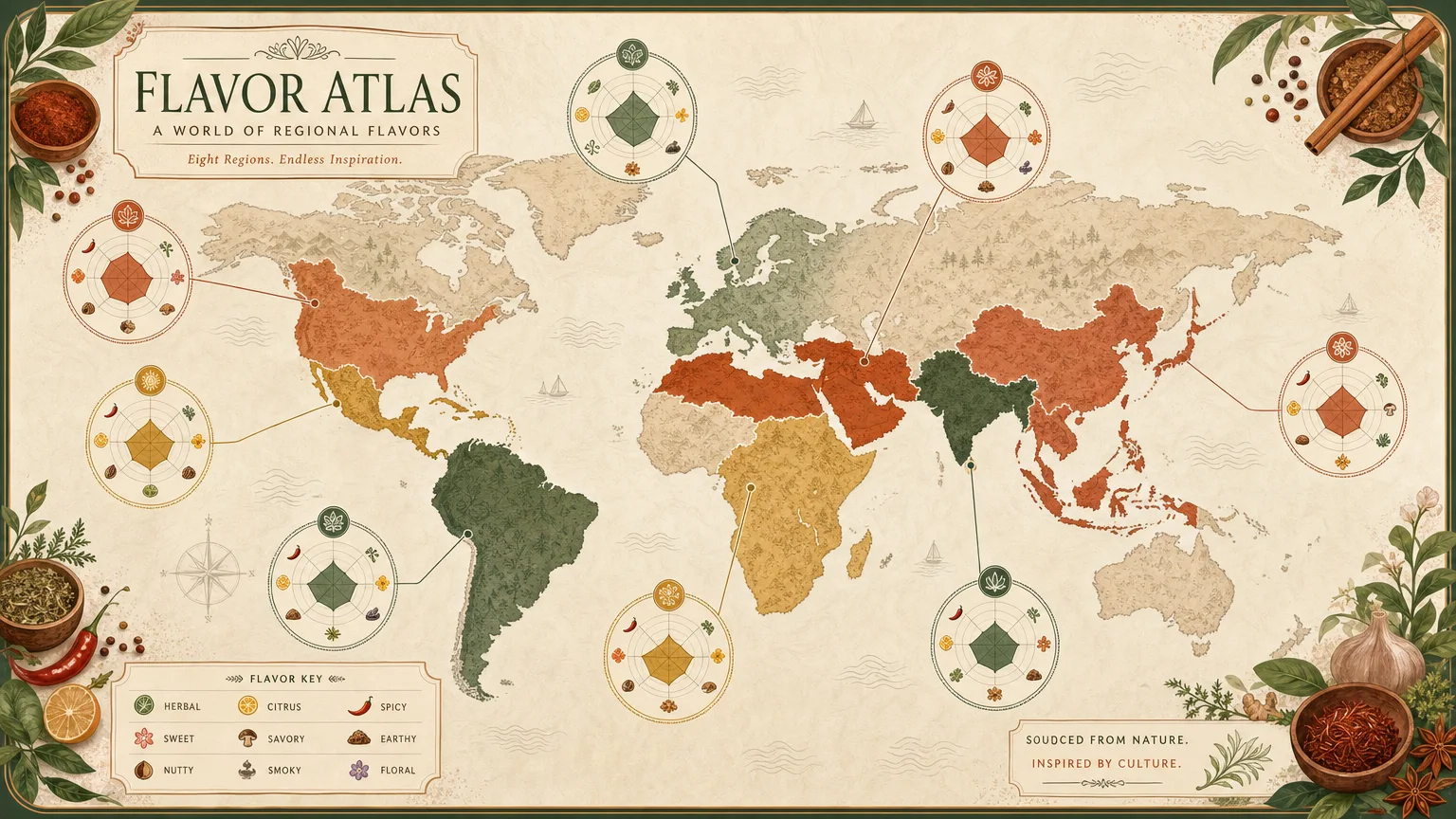
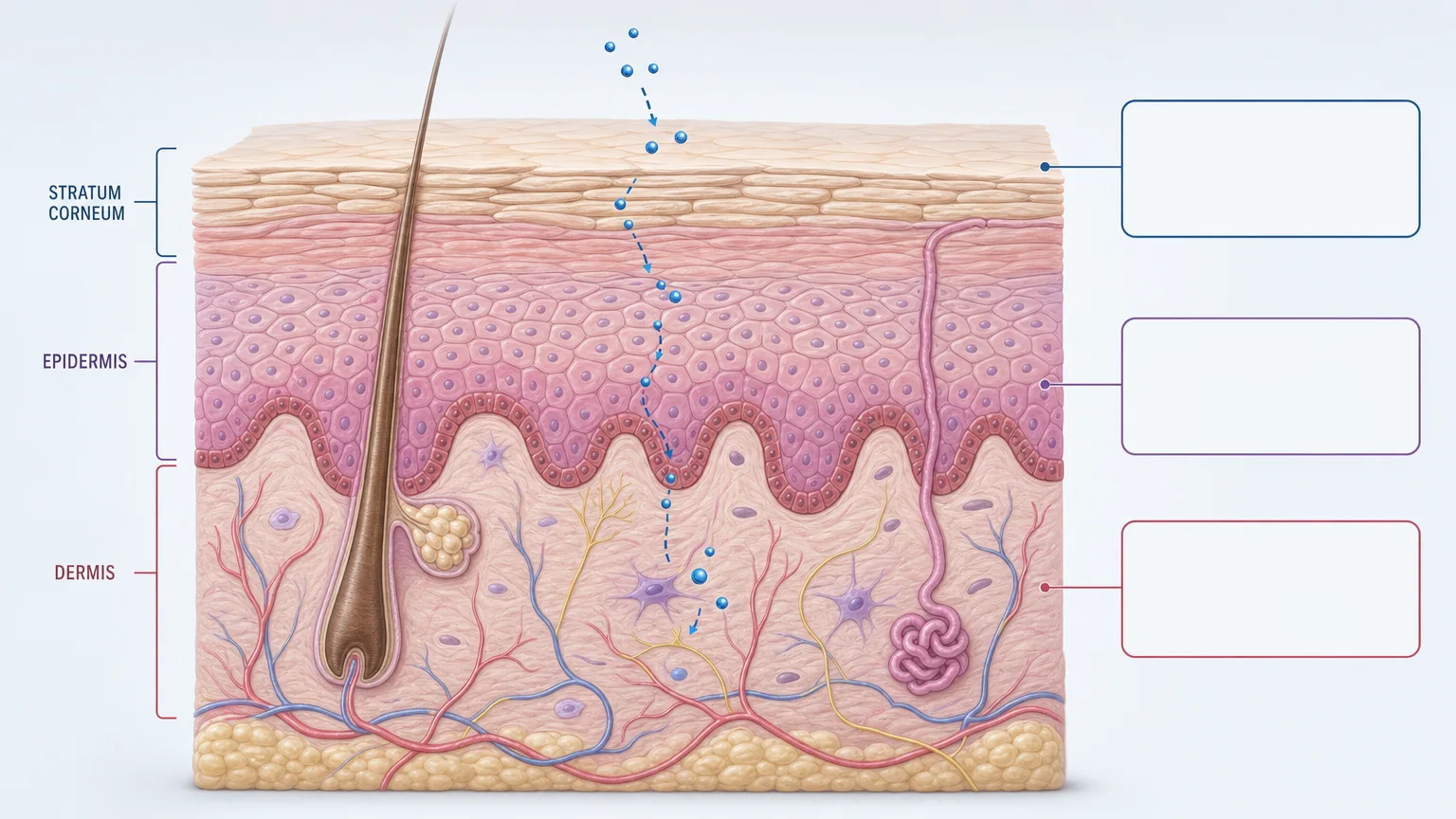
Explain one research subject through a layered composition that keeps observation, reconstruction and metaphor visibly distinct. Isometric Research Collage places a grounded subject view beside an isometric interpretation, with restrained archival study marks and room for citations. The layered visual argument should add explanation without implying unsupported measurements or documentary evidence.
What you get
Three distinct 16:9 collage alternatives from one approved subject brief, each combining a grounded view, an isometric reconstruction and supporting archival-style marks. Paper textures, grids and study details support the argument rather than blur which layer is evidence.
A source-led composition plan separating factual observations, interpretation and one central metaphor. A supplied photograph requires appropriate use rights and a statement of which visible details must remain accurate; a fully fictional subject brief is an alternative.
Clean caption/evidence zones for exact labels and citations added after generation with a deterministic tool. Functional evidence/callout icons use restrained inline SVG where useful, not generated lettering or decorative brand symbols.
A check that the metaphor and reconstructed relationships agree with supplied facts. Geometry remains explanatory unless verified measurements are provided; measured-looking grids alone do not establish dimensional accuracy. The generator provides no CAD reconstruction or measurement validator.
One paid FAL task requesting three high-quality 1536×864 PNG variants, plus workflow instructions and an SVG reference. Actual dimensions, visual distinctness, source fidelity, exact annotations and final presentation formatting still need review; the wrapper only checks that three results are returned.
Before you choose
Ask the viewer to point to what was observed, what was reconstructed and what is metaphor. If those layers cannot be distinguished, separate them before adding texture or study marks. The collage should expose the argument’s evidence boundary, not make an interpretation appear measured.
Good fit
A field-research summary has one strong, cleared visual subject and verified source notes.
A consulting or technical report needs a layered argument that distinguishes observation from explanation.
An educational poster should connect a subject view to a clearly marked reconstruction or metaphor.
Not for
Unlicensed photograph reuse, imitation of a named artist/manuscript/platform or recognizable protected model identity.
Dimensionally exact engineering documentation without verified measurements and separate output validation.
A topic with no verifiable facts or cleared visual basis, or a collage that disguises invented detail as evidence.
How to use
You say/isometric-research-collage Build a 16:9 visual study of a fictional coastal sensor station from my verified field notes.
Provide a rights-cleared subject image or fully fictional subject brief, verified facts/source notes, one central metaphor and the audience/presentation context. Identify the details that must remain accurate and resolve missing facts or permissions before generation.
Separate observed facts, interpretation and metaphor in the plan. Place the grounded view beside an isometric reconstruction rather than blending them ambiguously. Add archival marks, grids and restrained paper textures only as supporting layers, with clear evidence/caption space.
Write a fresh English brief without small text, copied prompts or protected reference expression. Keep reconstructed geometry explicitly explanatory unless measurements have been supplied and verified; do not let visual precision imply a measurement the source lacks.
Use Node.js 20 or newer, a FAL account and FAL_KEY in the environment. One paid task requests three 1536×864 PNG variants. The wrapper submits a text prompt and has no reference-image argument, so a supplied photograph is not automatically carried into generation; exact photo placement requires a separately planned compositing/reference workflow.
Keep provider-task.json. An identified task resumes with the same prompt/output directory and recorded failures are not automatically resubmitted. Persistence follows the submission response, so inspect provider history before retrying a lost response or failed write. Preserve approved files separately because resumed downloads may overwrite matching paths.
Compare all three images with the supplied facts and visual basis, checking observation-versus-reconstruction boundaries, metaphor meaning, actual ratio, distinction and any false precision. Reject unwanted identities/logos/watermarks, broken anatomy where relevant or unreadable hierarchy. Three result URLs are not evidence of these qualities.
Add exact captions, citations and necessary explanatory notes with a deterministic tool. Recheck their placement and each visible factual relationship, then deliver the reviewed collage imagery with any unresolved measurement, source or rights issue explicit.
Requirements and costs
You bring
Rights-cleared subject image or a fully fictional subject brief · Verified facts and source notes · One central metaphor · Audience and presentation context
Image generation uses one paid fal.ai task for three variants. Failed tasks are never submitted again automatically.
Publisher testing
v1.0.0 — Claude Code / Claude Desktop / Cowork / Codex / ChatGPT
FAQ
Yes, with suitable rights and clear instructions about which details must remain accurate. The supplied generator is text-only and does not attach a photograph automatically. Exact retention or placement needs a separately planned compositing/reference workflow; do not imply a generated view is the original photograph.
Verified measurements are a prerequisite for any exact dimensional claim, but supplying them alone does not validate the resulting geometry. The generator performs no measurement checking. Otherwise label the reconstruction explanatory; grids and archival marks must not imply precision the evidence does not support.
Yes. Reserve evidence/caption zones and add exact citations after generation with a deterministic layout tool. Check both the wording and the connection to the observed or interpreted layer. FAL_KEY and Node.js 20+ support the paid three-variant base-image request, not automated citation verification.
User reviews
—0 reviews
Select a star to share your experience.
No reviews yet. Ratings appear once readers share real experiences.