Marine Research Poster

Give reviewed marine field findings a clear path from research question to observation and finding. Marine Research Poster organizes habitat, species, methods, evidence and uncertainty into a wide visual story. Generated structure supports the communication; exact data, citations and qualifying language come from the approved research material afterward.

What you get

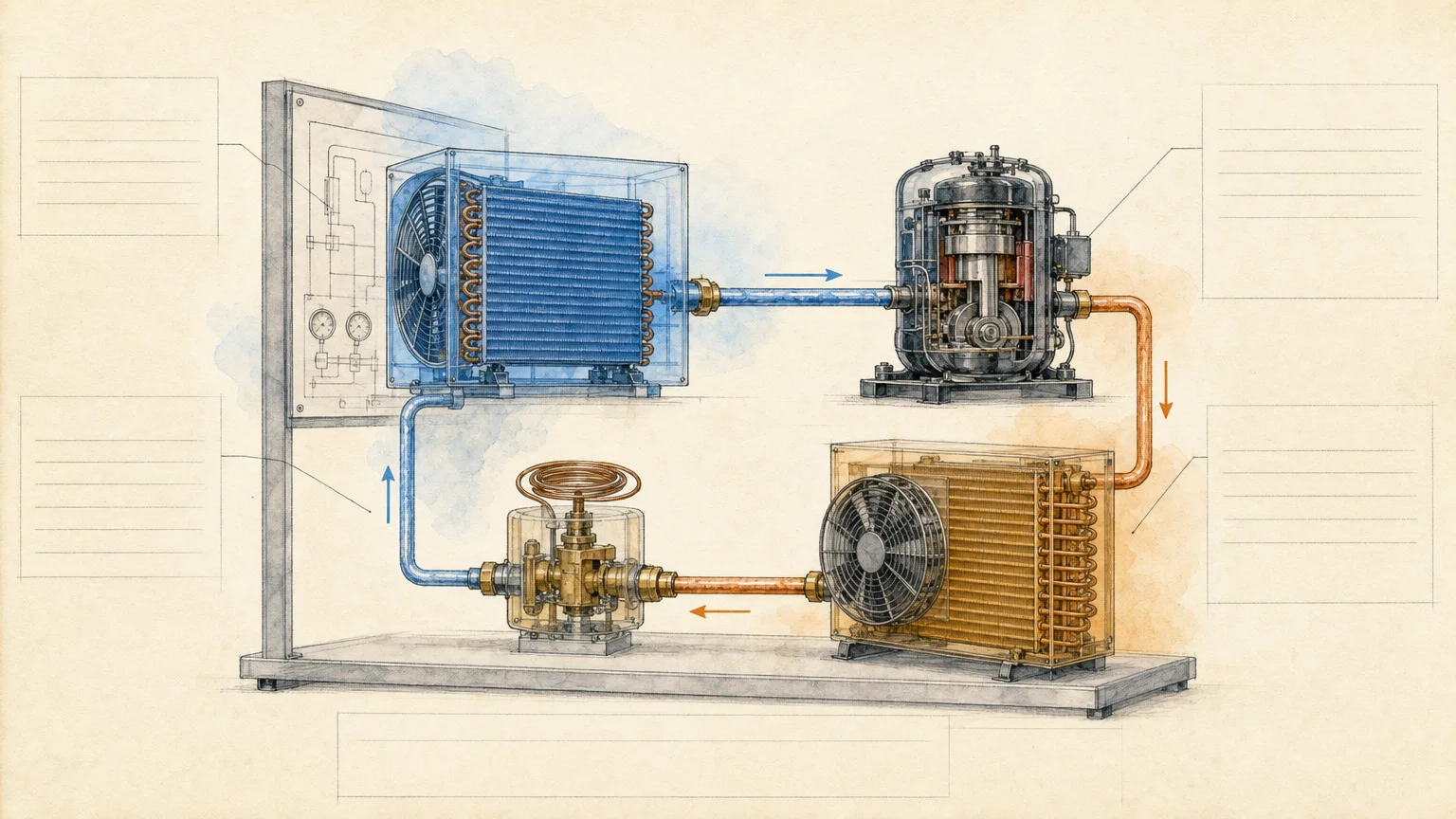
  • Three original 16:9 poster composition alternatives around one research question and intended audience, with a readable question-to-finding sequence rather than disconnected decorative marine scenes.
  • Distinct areas for habitat, species, methods, evidence and uncertainty. A compact evidence table keeps supplied facts, labels, sources and exclusions available for checking each visible scientific relationship.
  • Blank zones for exact data, captions, citations and disclaimers, filled through deterministic typesetting after a composition is selected. Small model-rendered text is not used as final research data.
  • A source-table comparison for exact wording, quantities, rankings, routes and other claims where present. Reviewed facts remain separate from unresolved observations or uncertainty; the poster does not independently validate methods, taxonomy or conclusions.
  • One paid FAL task requesting three high-quality 1536×864 PNG variants, with a saved request record and an inline-SVG icon reference. The script checks that three images return, not scientific validity, actual dimensions, visual distinctness or print suitability. The package provides no ready-made typesetting or large-format print file.

Before you choose

Follow the poster from question to finding and ask where each step is supported. Readers should see which species/habitat details were observed, how the work was done and what remains uncertain, without a dramatic marine scene strengthening a claim beyond its evidence.

Good fit

  • A researcher has approved findings and needs a conference or laboratory poster concept.
  • A science communicator wants reviewed field notes translated into a structured visual explanation.
  • A teacher needs an evidence-led marine lesson with species/habitat/method context and uncertainty intact.
Not for

  • Invented survey results or ecological claims lacking supplied evidence.
  • Taxonomic identification from generated imagery, or replacing scientific review of methods and conclusions.
  • Protected photograph/logo reuse without permission, or an explanatory poster represented as authoritative medical, policy, engineering or safety documentation.

How to use

You say/marine-research-poster Turn my verified seagrass survey notes into a wide conference poster.
  1. Provide the research question/audience, verified species/habitat/method/observation notes, approved citations and uncertainty wording. Supply cleared references or choose an unbranded illustration direction. Resolve missing facts before design; keep unresolved material marked for verification.

  2. Build the evidence table and choose one reading order from question through methods/observations to the supported finding. Plan distinct habitat/species/evidence/uncertainty zones and leave adequate space for exact labels and citations. Do not let an attractive species image become a new identification claim.

  3. Write a fresh English brief describing hierarchy, composition, palette, annotation space and exclusions. Keep exact data text out of the raster-generation request and avoid copied templates, logos, protected designs or unsupported conclusions. Review before paying.

  4. Use Node.js 20 or newer with FAL_KEY in the environment and a FAL account. One paid request generates three high-quality 1536×864 PNG variants. The helper is text-prompt based: a supplied photograph is not automatically attached or preserved, so exact reference placement needs separately planned compositing.

  5. Keep provider-task.json and the approved prompt to resume an identified request rather than automatically replacing a failed task. Persistence happens after the submit response; manually inspect provider history before retrying a lost response or failed record write. Preserve approved copies separately because resumed downloads can overwrite matching paths.

  6. Inspect all three outputs for actual 16:9 ratio, distinction, hierarchy, unwanted logos/identities and relationships that agree with the evidence. Select a composition, then add exact text, quantities, citations and uncertainty language with a deterministic layout tool. Use restrained inline SVG for functional legend/callout cues.

  7. Compare every final factual element with the table and check label readability at presentation or intended physical size. Report remaining uncertainties and the actual review performed. Image generation does not validate taxonomy, methods or conclusions, and a 1536×864 download alone does not establish conference-print readiness.

Requirements and costs

You bring
Research question and audience · Verified species, habitat, method, and observation notes · Approved citations and uncertainty language · Rights-cleared reference images or an unbranded illustration direction
Dependencies
FAL account — required · Node.js 20 or newer — required
Outside costs
Image generation uses one paid FAL task per three-variant request. The saved request is resumed after interruption and a failed task is never resubmitted automatically.
Publisher testing
v1.0.0 — Claude Code / Claude Desktop / Cowork / Codex / ChatGPT

FAQ

User reviews

—0 reviews

Select a star to share your experience.

No reviews yet. Ratings appear once readers share real experiences.

Similar Skills

View all skills