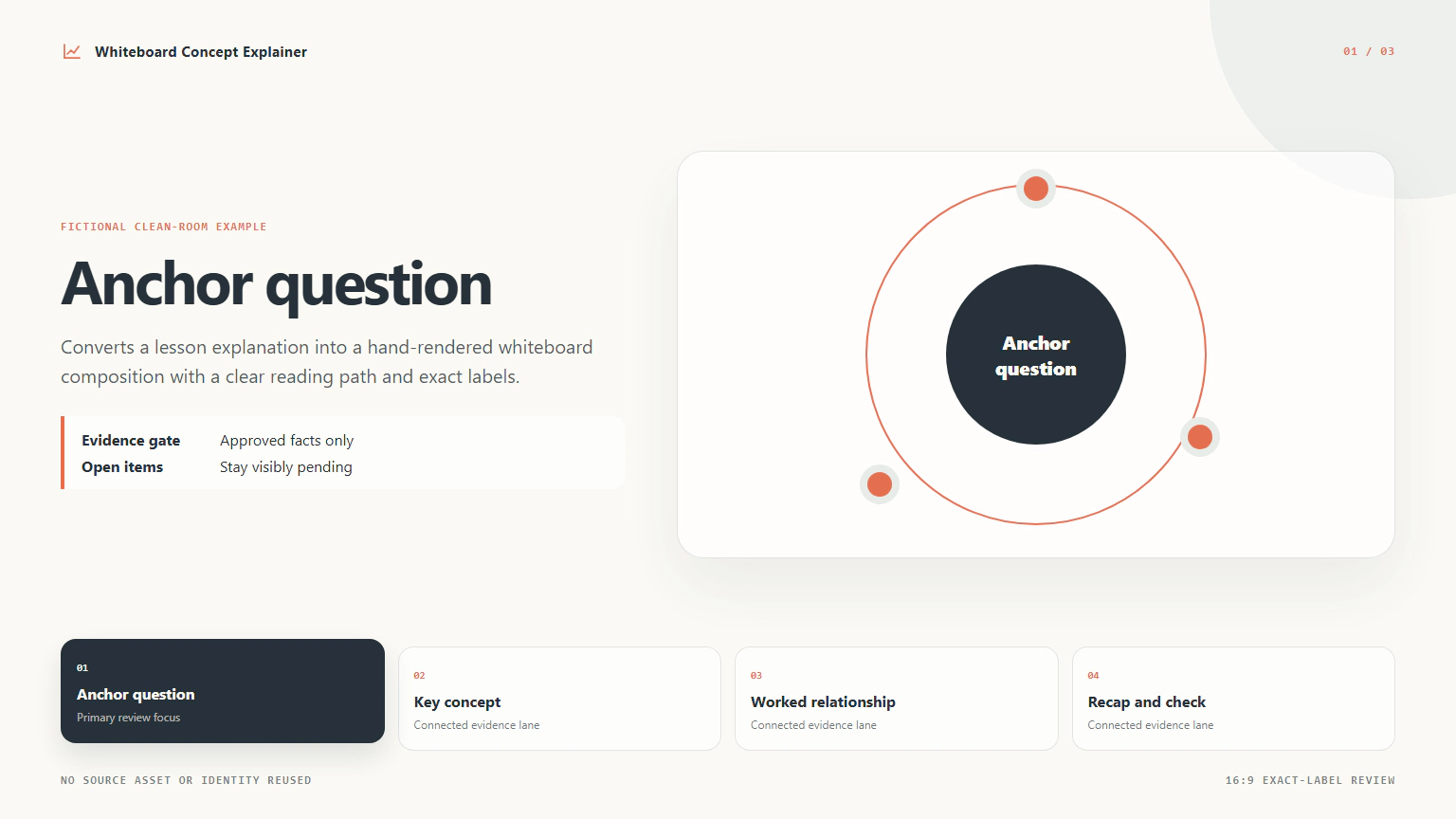
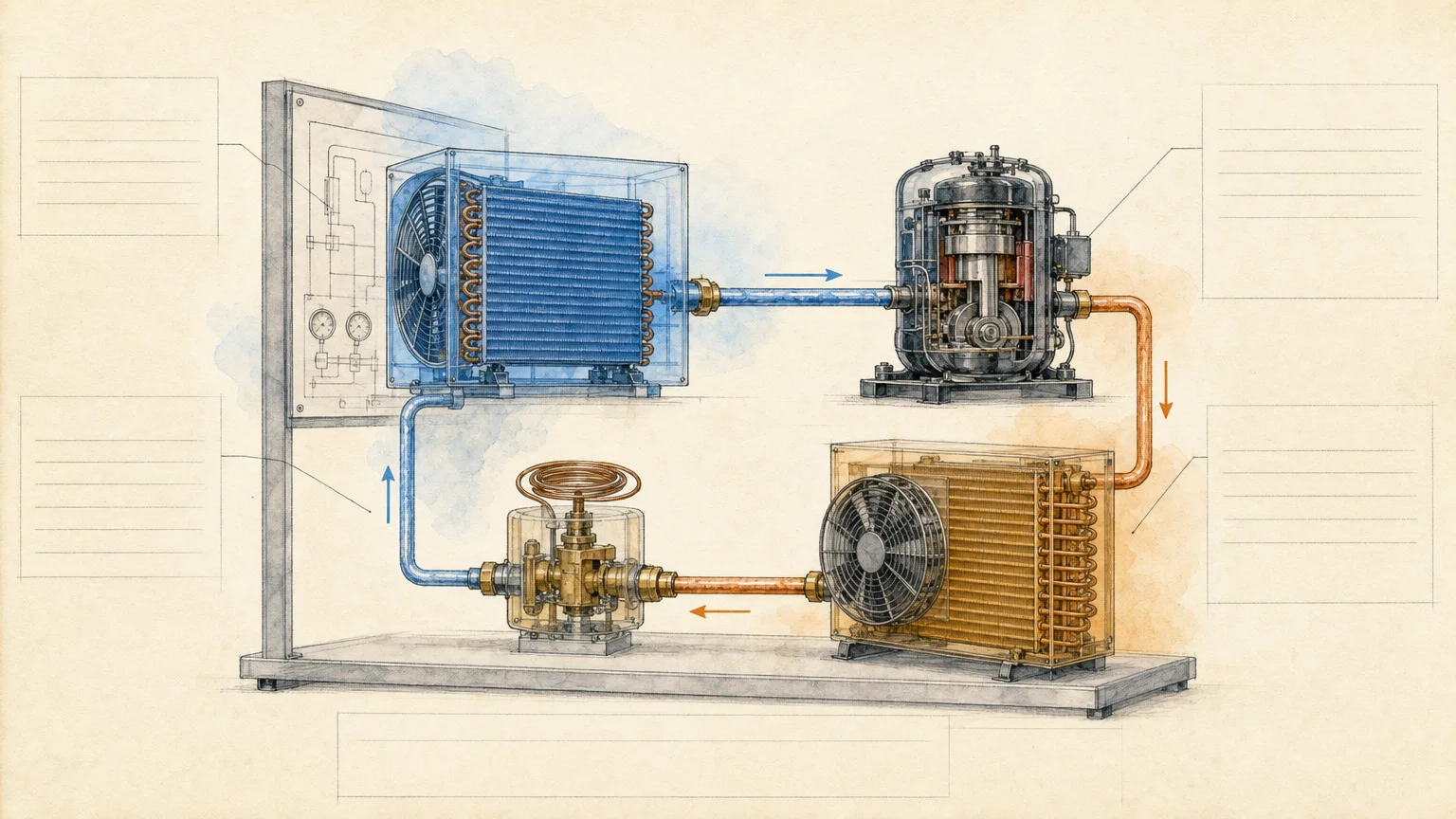
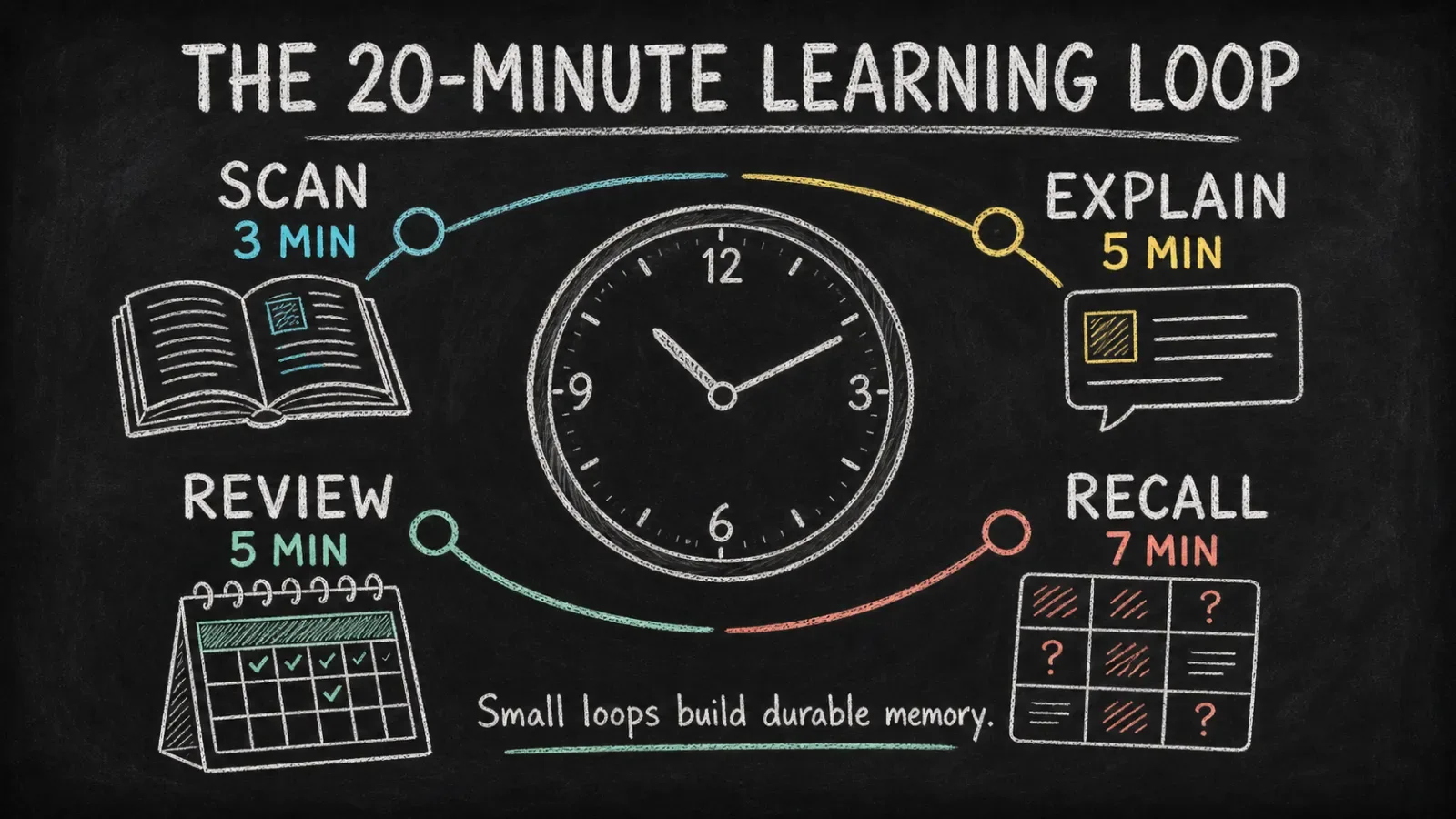
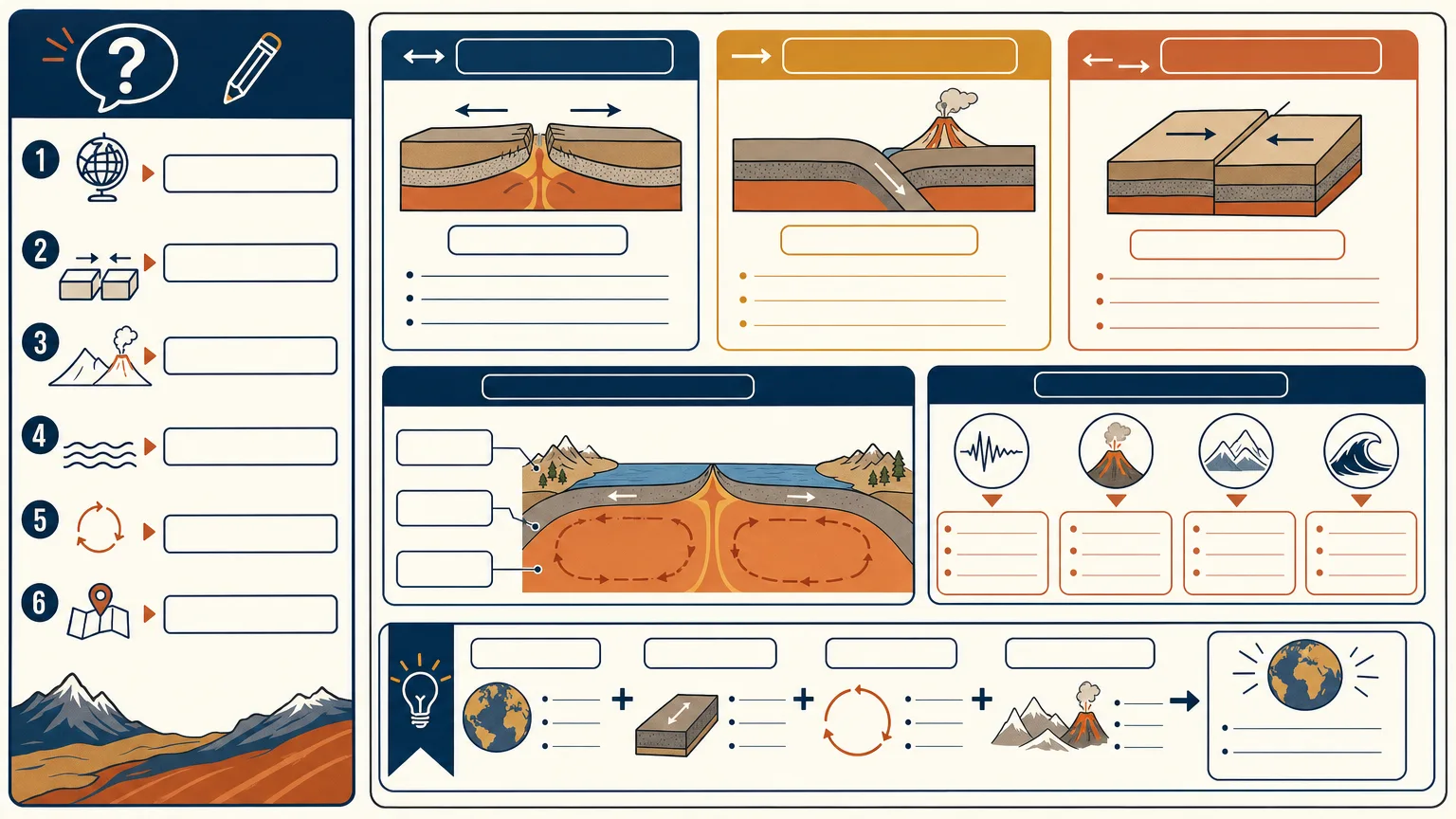
Explain major vehicle functions through a fictional side-profile cutaway and organized detail windows. Vehicle Anatomy Poster gives each selected system a learning objective and pairs it with plain-language captions. Its placements are consistent educational approximations, not model-specific service or safety information.
What you get
Three 16:9 poster layout alternatives with a fictional vehicle hero showing major systems in context, accompanied by detail windows instead of loose parts scattered around the canvas.
A six-window detail layout in the original delivery description. The workflow allows six to eight selected systems according to learner level; choose their grouping and window allocation deliberately rather than assuming every system requires a separate window or that the layout always has eight.
A learning plan with one objective per system and captions following “part, role, evidence boundary.” Required comparison points and the verified plain-language functions guide what the windows explain.
Reusable caption/legend zones for exact labels, values, citations and disclaimers typeset after base generation. A final evidence table and unresolved-uncertainty list keep illustrative placement separate from established system facts.
One paid FAL request for three high-quality 1536×864 PNG variants, with a saved request record, workflow instructions and an SVG icon reference. The wrapper checks returned count, not system/window count, mechanical placement, actual image ratio or classroom readability; those require final review.
Before you choose
Ask a learner to name the function each window explains and locate its approximate context on the hero. If the layout teaches where to service a real model rather than the intended system concept, revise the placement/caption boundary before calling it classroom-ready.
Good fit
A teacher needs a focused classroom explanation of major vehicle functions.
A course creator wants a reusable visual lesson asset with captions appropriate to learner level.
A science communicator has verified system facts and wants an educational schematic rather than a service drawing.
Not for
Repair, emergency-response or high-voltage safety guidance.
Model-year, price, performance or exact component-location claims derived from a fictional cutaway.
Real badges or recognizable vehicle designs without suitable rights, or fabricated placement/details presented as facts.
How to use
You say/vehicle-anatomy-poster Explain six verified systems in a fictional electric coupe for my classroom lesson.
Provide vehicle type, learner level, verified system list/plain-language functions, desired detail windows/comparisons and cleared references or a fictional direction. Resolve missing essentials or mark verification items rather than inventing facts.
Select six to eight systems appropriate to the learner and assign one objective to each. Plan the six-window format or an explicitly adapted allocation, grouping where helpful. Use a fictional side-profile hero with approximate but consistent locations, keeping those locations visibly schematic.
Write short “part, role, evidence boundary” captions and reserve clean zones for later exact typesetting. Create a fresh English brief with slide-scale hierarchy and no copied vehicle form, badge or small generated text. Review the layout, source facts and exclusions before payment.
Use Node.js 20 or newer with FAL and FAL_KEY in the environment. One paid task requests three high-quality 1536×864 PNG variants. The wrapper has fixed dimensions and no window/system-count or vehicle-accuracy checker. Cleared reference images inform the brief but are not automatically attached by this text-only helper.
Preserve provider-task.json and the prompt. An identified request resumes with the same prompt/output directory and recorded failed tasks are not automatically resubmitted. Persistence follows submission response, so inspect provider history before retrying uncertain responses or failed writes. Save approved copies separately because resumed downloads can overwrite matching paths.
Inspect all three layouts at presentation size. Check the agreed window/system coverage, relationships to the hero, plain-language meaning, actual ratio/distinction and absence of unwanted badges/watermarks. Remove or restructure unreadable content before shrinking labels into illegibility.
Add exact captions, legend terms, citations and disclaimers with a deterministic tool, using small inline SVG for functional cues. Deliver reviewed poster images, the evidence table and unresolved items, retaining the educational-schematic boundary rather than a repair/safety claim.
Requirements and costs
You bring
Vehicle type and learner level · Verified system list and plain-language functions · Required detail windows or comparison points · Rights-cleared references or a fictional-vehicle direction
Image generation uses a paid fal.ai task. Review the prompt before submission; failed tasks are never submitted again automatically.
Publisher testing
v1.0.1 — Claude Code / Claude Desktop / Cowork / Codex / ChatGPT
FAQ
Vehicle type, learner level, verified systems and plain-language functions, detail-window/comparison requirements and cleared references or a fictional-vehicle direction. The workflow selects six to eight systems by learning need; the original six-window layout must be allocated or adapted accordingly.
No. Reserve clean zones, then typeset exact labels, values, citations and disclaimers from the approved table. Captions explain the part, role and evidence boundary. The wrapper does not place exact text or verify system locations.
No. It is an educational schematic with approximate fictional placement, not a repair, emergency-response or high-voltage guide. It does not establish model-specific specifications. FAL_KEY and Node.js 20+ enable the paid base-image request only.
User reviews
—0 reviews
Select a star to share your experience.
No reviews yet. Ratings appear once readers share real experiences.