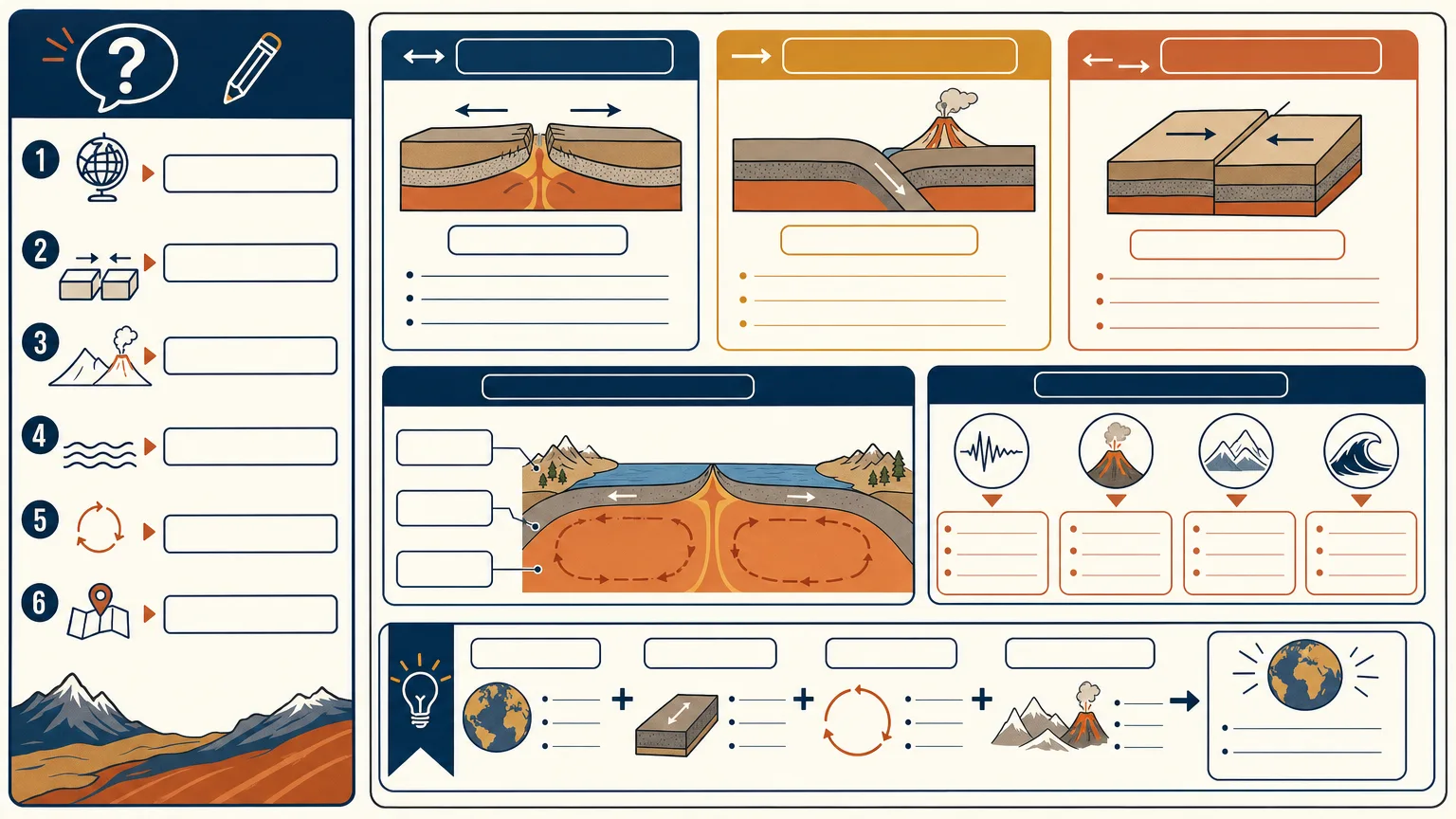
Organize cited research into a pathway poster that distinguishes an ingredient’s context, a proposed mechanism and the endpoint actually measured. Bioactive Pathway Poster reserves evidence-status and citation space around the pathway. Its abstract artwork supports explanation; it does not demonstrate absorption, efficacy or a clinical outcome.
What you get
A four-zone communication layout taking the reader from ingredient/formulation context toward a measured endpoint, with three abstract composition alternatives. The planning separates ingredient identity, delivery context, molecular interaction, tissue response and endpoint as distinct evidence categories; arranging them into four visible zones must not collapse those distinctions.
A citation and evidence-status record for every pathway arrow before rendering. The source table carries population/model and limitations so a proposed relationship is not silently presented as an established human effect.
Abstract, non-diagnostic pathway art without generated efficacy figures, timelines or consumer-benefit claims. Clean spaces are reserved for exact mechanism labels, citations, qualifications and compliant copy added in a separate deterministic layout tool.
One paid generation request for three high-quality 1536×864 PNG variants, followed by visual/source comparison and selection. The downloaded base images are not automatically a fully cited poster; annotation, evidence review, actual dimension checks and final formatting still need to be completed.
The final images, approved evidence table and unresolved-uncertainty list. The package supplies instructions, a functional SVG icon reference and a FAL generation wrapper, not an automated literature review, compliance decision or clinical assessment.
Before you choose
Read the poster one arrow at a time. A viewer should be able to identify the cited relationship, its evidence status, the model or population it applies to and the endpoint actually measured. If that information cannot be recovered, simplify or qualify the pathway before improving its visual polish.
Good fit
A researcher needs a figure for a talk, poster or review and can supply citations for the pathway’s individual steps.
A science communicator wants to distinguish what a study proposes, what it measures and which limitations apply.
A brand communication team has cited evidence, approved wording and a reviewer for the intended jurisdiction and publication channel.
Not for
Fabricating molecular interactions, efficacy percentages, timelines, populations or clinical outcomes.
Using visual arrows or biological imagery to imply absorption, repair, rejuvenation, penetration or consumer benefit beyond the supplied evidence.
Presenting an illustrative poster as clinical proof, or adding branded packaging and proprietary trade dress without authorization.
How to use
You say/bioactive-pathway-poster Visualize my cited hypothetical peptide pathway as a four-zone review poster.
Provide ingredient identity and formulation context, primary/authoritative citations for every mechanism step, measured endpoints, population or model, limitations, jurisdiction and publication channel. Ask for missing essentials or mark explicit verification items rather than silently drafting missing science.
Build the evidence table and separate ingredient, delivery context, molecular interaction, tissue response and endpoint. Attach a citation and evidence status to each proposed arrow before deciding the four-zone layout. Keep a hypothesis, an experimental observation and an outcome in the studied model distinguishable.
Write a new English brief for abstract biological imagery that explains the supplied structure without making diagnostic or unsupported efficacy implications. Leave numbers, claims, small labels and citations out of generated art and reserve annotation space. Review the brief and exclusions before payment; packaging and brand identifiers stay out unless authorized.
Use FAL with FAL_KEY in the environment and Node.js 20 or newer. The bundled generator submits one paid request for three 1536×864 high-quality PNG variants. Its dimensions are fixed, and it verifies the returned image count rather than measuring image dimensions, factual relationships or biological accuracy.
Preserve provider-task.json and the approved prompt. After an ID has been saved, the same prompt/output directory resumes that request; a recorded failed task is not automatically resubmitted. Lost submission responses or failed record writes require manual provider-history review because the script has no pre-submit intent record. Keep reviewed copies separately because resume can overwrite matching image filenames.
Compare all three base compositions against the evidence table: arrow direction, step order, quantities, model/population context and implied visual claims. Verify distinctness, actual 16:9 dimensions and absence of unwanted identities or watermarks. Add exact citations, labels, limitations and approved copy in a deterministic layout tool, using small inline SVG callout/legend cues where useful.
Route the annotated poster to the appropriate subject and publication reviewers, then deliver images, evidence table and unresolved questions. Keep unsupported claims visibly pending. Neither a polished figure nor a source-table comparison establishes a clinical or consumer result.
Requirements and costs
You bring
Ingredient identity and formulation context · Primary or authoritative citations for each mechanism step · Measured endpoints, population or model, and limitations · Jurisdiction and intended publication channel
Image generation uses a paid fal.ai task. Review the prompt before submission; failed tasks are never submitted again automatically.
Publisher testing
v1.0.1 — Claude Code / Claude Desktop / Cowork / Codex / ChatGPT
FAQ
Ingredient/formulation identity, primary or authoritative sources for each mechanism step, measured endpoints, study population/model and limitations, plus the jurisdiction and publication channel. Every pathway connection needs an evidence status; missing links stay explicit verification items.
No. Generate the abstract base art with clean annotation space, then typeset approved labels, values, citations and disclaimers from the evidence table after selecting a composition. Review arrow direction and visual implication as well as wording. The package does not include an automatic citation verifier or labeling renderer.
No. It communicates the cited research and its limits. Artwork does not establish absorption, repair, medical benefit or a consumer outcome, and the workflow cannot replace evidence assessment or publication review. It requires a paid FAL generation request and Node.js 20+; those tools produce visual alternatives, not scientific validation.
User reviews
—0 reviews
Select a star to share your experience.
No reviews yet. Ratings appear once readers share real experiences.